

What’s New
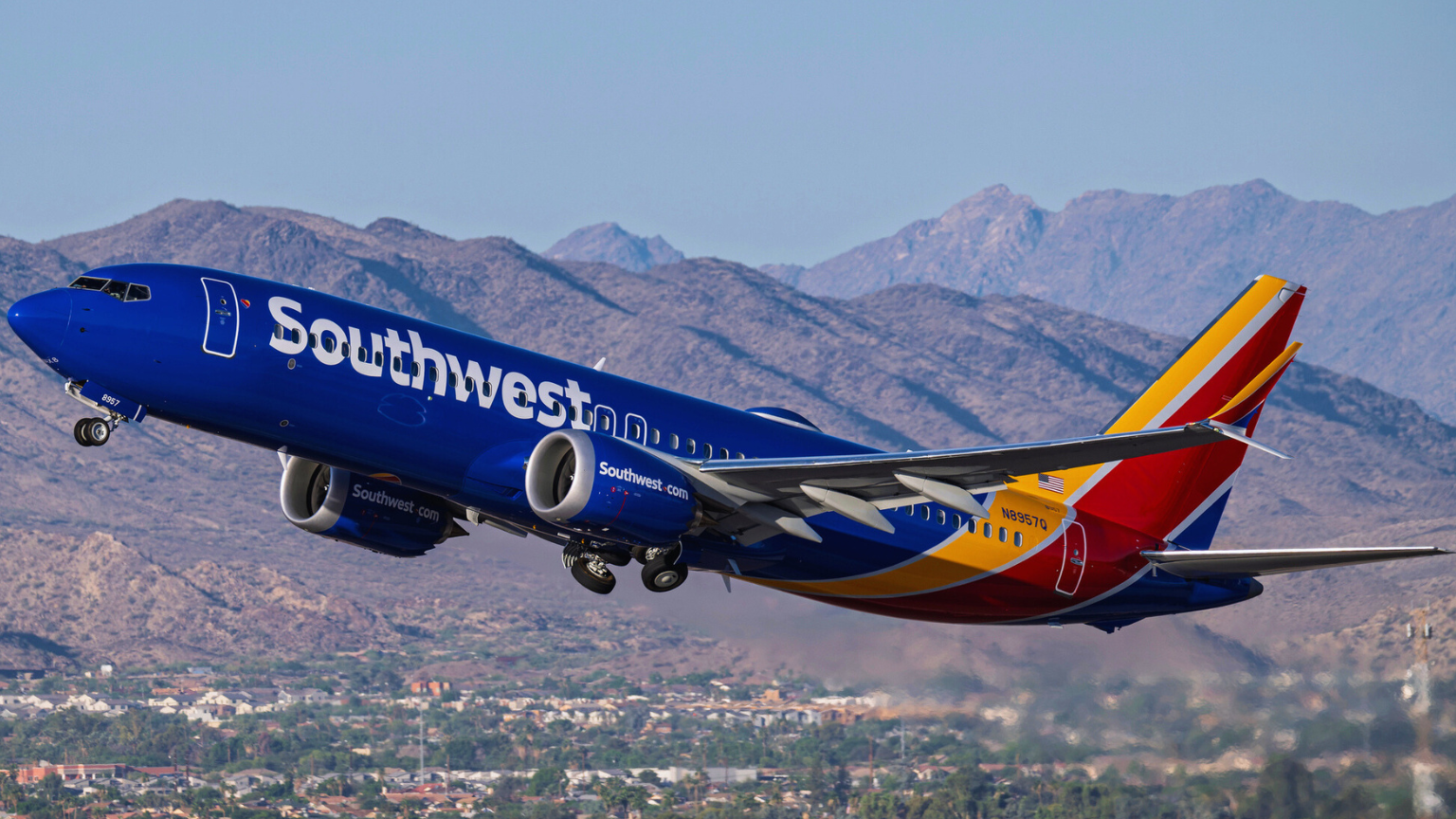
Southwest Airlines is now flying a Boeing 737 Max 8 equipped with a retractable “secondary” cockpit barrier, making it one of the first U.S. carriers to put the added protection into regular service. The airline took delivery of the jet and began using it over the Labor Day weekend. The rollout arrives nearly 24 years after the September 11, 2001 attacks and is aimed at reducing the risk of cockpit intrusions during flight.
How the Barrier Works
The secondary barrier is a gate-like partition installed just outside the flight deck door. It is designed to be pulled across the aisle and locked any time pilots open the cockpit door in flight, such as when a pilot steps out to use the lavatory. With the barrier in place, no one can rush the cockpit while the main door is unlatched. Before these devices, cabin crews typically created a human and cart “buffer” at the front galley whenever the cockpit door opened.
Why Southwest Is Doing It
Southwest said the move aligns with its proactive approach to safety and its broader safety management system. The airline emphasized that adopting added layers of protection where possible is the right choice for its operation. The new design provides a predictable, physical safeguard that does not rely on improvised procedures during busy cabin service.
The Regulatory Backdrop
A Federal Aviation Administration rule finalized in 2023 requires aircraft manufacturers to deliver newly built airliners with secondary cockpit barriers. Under the rule, the barrier must be deployed, closed, and locked whenever the flight deck door is opened while the airplane is in flight. While older aircraft cannot be retrofitted with the feature, newly delivered Boeing and Airbus jets will include it going forward.
What Other Airlines Are Doing
Not every carrier is moving on the same timeline. While Southwest opted to start taking planes with the new barrier immediately, some airlines plan to wait until July 2026 after receiving a one-year exemption to the requirement. Expect to see the feature become increasingly common as new aircraft join U.S. fleets over the next year.
What Travelers Will Notice
For passengers, the change is simple. When a pilot steps out of the cockpit, you may see a short, retractable gate pulled across the front aisle until the cockpit door is secured again. The process is quick and routine, and normal cabin service continues with minimal disruption. The goal is straightforward—add an extra layer of security at the moment the cockpit is most exposed, without adding stress to the flight.
This article was written by Hunter and edited with AI Assistance