
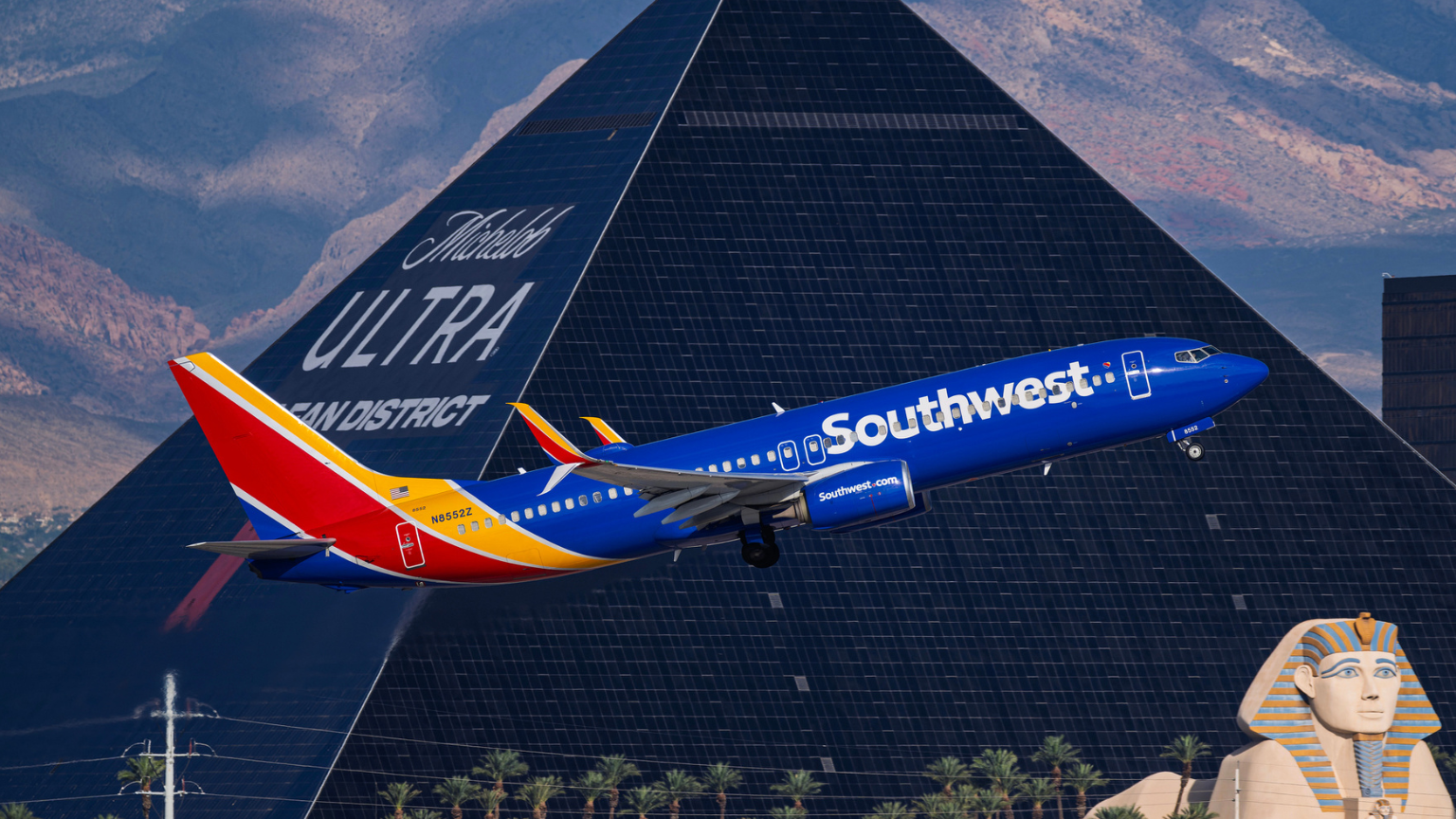

Southwest Airlines will no longer have to pay the last $11 million of a record penalty tied to its disastrous December 2022 holiday meltdown. The U.S. Department of Transportation (DOT) announced that it is forgiving the final portion of the $35 million cash penalty, citing the airline’s upgrades to its systems and operations. Southwest has already paid $24 million, and instead of sending the remaining $11 million to the U.S. Treasury by January 31, 2026, the airline will receive credit for the money it has invested in improving reliability for travelers.
A Southwest spokesperson said the airline is grateful that Transportation Secretary Sean Duffy and the DOT recognize the work done to modernize operations and prevent a repeat of what many travelers remember as one of the worst holiday travel failures in recent history.
How the Record Penalty Came About
The original settlement totaled $140 million, the largest consumer protection penalty ever issued against a U.S. airline. It followed Southwest’s massive operational collapse during winter storm Elliott at the end of 2022.
While other airlines also faced disruptions from the storm, Southwest’s systems were hit especially hard. The airline’s crew scheduling software could not keep up as flights were delayed and canceled in Denver, Chicago, and across its network. With aircraft and crews out of position, Southwest was forced to cancel about 17,000 flights, leaving more than 2 million travelers stranded during the peak holiday travel period.
Passengers reported sleeping in airports, waiting in long lines, and struggling to reach anyone at the overwhelmed call centers. Many could not rebook easily or locate their luggage as the disruption dragged on for days.
Then–Transportation Secretary Pete Buttigieg launched a federal investigation and later concluded that the situation had gone beyond what could be blamed on weather alone. Regulators determined that Southwest had failed to meet its legal obligations to assist stranded passengers and communicate clearly during the crisis.
What the Settlement Covered
Under the settlement announced in 2023, most of the $140 million penalty was structured as compensation and benefits for affected customers rather than a simple fine to the government. The aim was to make sure money went directly back to travelers who endured the chaos.
Southwest itself has said that the meltdown ultimately cost the airline more than $1.1 billion in refunds, reimbursements, extra operating costs, and lost ticket sales over the following months.
The airline’s pilots union had warned management for years about weaknesses in scheduling and technology. Mike Santoro, vice president of the Southwest Airlines Pilots Association, called the December 2022 mess the largest disruption he had seen in his 16 years at the airline.
Why the DOT Waived the Final $11 Million
In its latest update, the DOT explained that waiving the remaining $11 million is meant to reward concrete improvements that directly benefit passengers. Instead of directing that money to the Treasury, the department is effectively giving Southwest credit for investing in new technology and infrastructure to strengthen its network.
DOT officials said this approach serves the public interest because it encourages airlines to put money into reliability and resiliency rather than simply paying large fines after something goes wrong. In their view, consumers gain more when airlines fix underlying problems and reduce the risk of future collapses.
For its part, Southwest says that over the last two years it has completed a full operational turnaround. The airline points to industry leading on-time performance and a high percentage of flights operating without cancellations as proof that its investments are working.
What Has Changed Since the Meltdown
Since the 2022 crisis, Southwest has poured money into network operations and technology upgrades, including improvements to its crew scheduling tools and overall system resilience. The goal is to make sure the airline can recover more quickly from bad weather or other disruptions and avoid the kind of cascading failures that paralyzed the network in 2022.
These changes, combined with better planning and staffing, have helped Southwest deliver stronger on-time results and a more stable schedule. While every airline still faces weather issues and occasional delays, the company is working to rebuild trust with customers who remember being stranded during that holiday season.
What Regulators and Travelers Should Expect Next
Even with the final payment waived, Southwest is not completely off the hook. The DOT has made it clear that it will continue to monitor the airline’s performance and track whether the promised improvements hold up over time. On-time statistics, cancellation rates, and the airline’s response to future storms or system stress will all be watched closely.
For travelers, the decision is a reminder that regulators are willing to tie financial penalties to real operational changes, not just one time checks to the government. If Southwest’s investments deliver smoother operations and fewer mass disruptions, passengers stand to benefit directly.
At the same time, the 2022 meltdown remains a powerful example of how fragile airline systems can be when technology and staffing fall behind demand. The DOT’s approach with Southwest sends a message to the entire industry: improving reliability may carry more weight than simply paying fines after things go wrong.
Follow us on MSN for all your travel and lifestyle tips.
This article was written by Hunter and edited with AI Assistance