
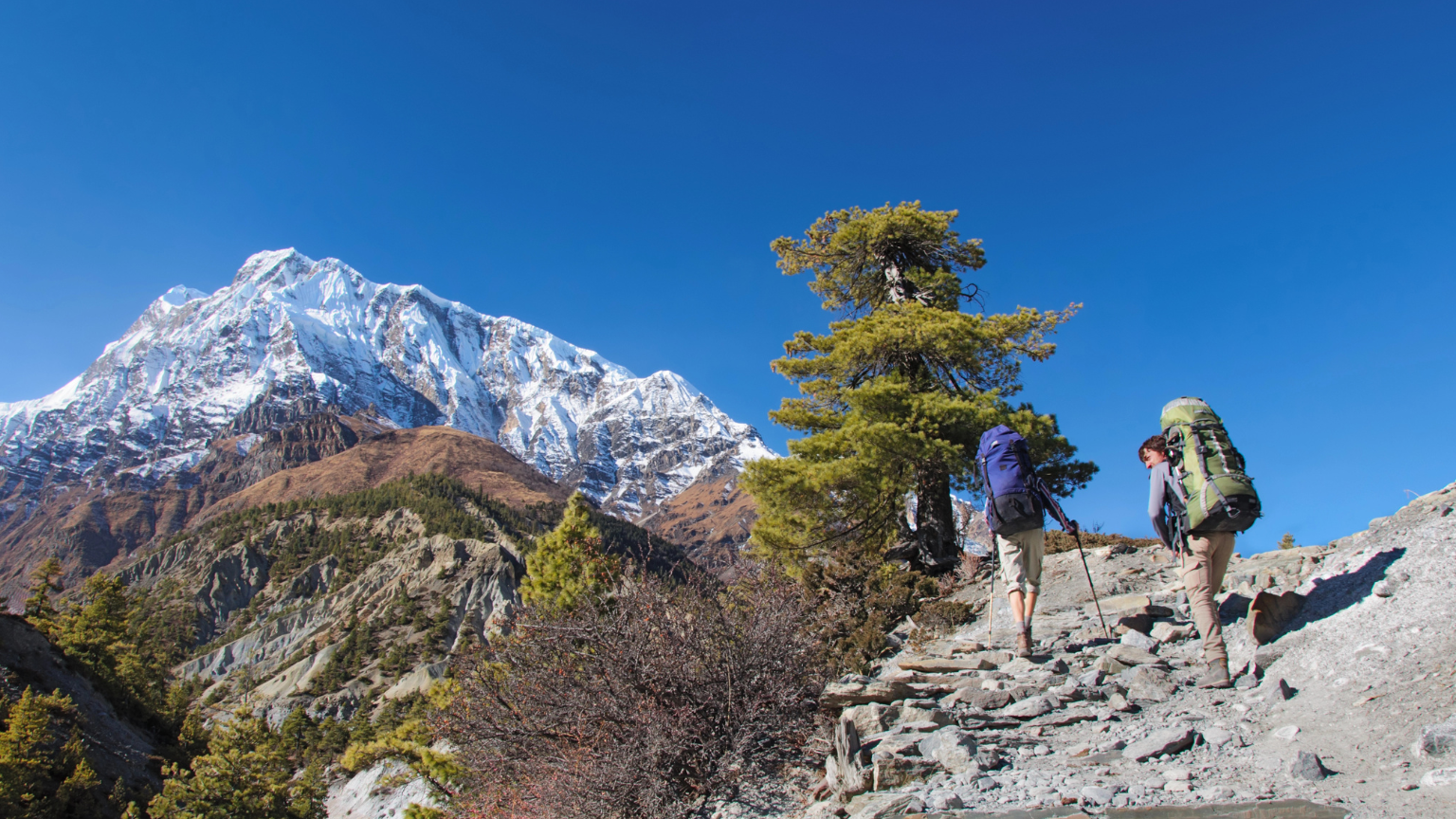

Group trekking on Nepal’s Annapurna Circuit can cost between $875 and $1,275 per person in 2026, depending on the group size and itinerary. Traveling in groups of 4 to 6 can lower this cost by up to 40% compared to solo trekking. Sharing expenses for guides, porters, accommodation, and transportation makes a big difference to the trekker’s wallet.
The Annapurna Circuit remains a top trekking destination due to its stunning landscapes and cultural richness. Costs vary by season, services included, and size of the trekking group. Recent data shows budgets ranging from $700 to over $2,100 for Annapurna Circuit trips, with smaller groups or solo travelers paying more per person. In fall 2024, the peak trekking season, average prices rise slightly due to demand, but group travel keeps costs manageable.
The Numbers Behind the Story
Many trekkers pay around $1,000 each for a 12- to 16-day Annapurna Circuit trek. This price usually covers permits, a licensed guide, porter services, meals, and accommodations. With solo travel, these costs fall entirely on one person. However, groups of 4 to 6 can split key expenses to unlock savings of 30% to 40% per person.
Guides cost approximately $25 to $35 per day per group. For 8 days, that totals $200 to $280 per group. Splitting this between 4 people means $50 to $70 each, while 6 people pay just $33 to $47 each. Porters charge about $20 to $25 daily. Sharing a porter lowers individual costs from $160 to about $40 or less in a group.
Accommodation is another major factor. Budget teahouses near the trail offer rooms at $7 to $15 per night for double occupancy. Groups sharing rooms reduce per-person costs to $3.50 to $7.50 per night, compared with $7 to $15 for solo travelers. Over a 16-night trek, this could mean paying $120 to $240 alone, or $60 to $120 when sharing.
Transportation savings also add up. Hiring a private jeep to the trailhead can cost $60 to $120. Split among 4 travelers, it drops to $15 to $30 each. Using public buses costs as little as $3 to $6 per person, but private transport offers comfort and speed for larger groups.
How This Affects Your Travel Budget
Choosing group travel significantly changes the trekking budget. A solo trekker spending $1,200 might reduce to $720 to $840 when joining a group. This frees up around $360 to $480 for gear, souvenirs, or extended stays.
For those trekking without guides or porters, costs drop slightly but convenience and safety reduce. Licensed guides cost between $200 and $280 for 8 days. Sharing a guide lowers this expense. Porters, carrying heavy loads, help prevent injuries and speed progress, a valuable tradeoff.
Accommodation at $7 to $15 per night totals $112 to $240 for a 16-day trek. Sharing rooms halves this cost. Travelers willing to stay in basic teahouses save the most. In Nepal’s trekking regions, family-run lodges offer some amenities but at lower prices than resorts.
Season also impacts costs. Fall (September to November) is popular, with higher prices and more crowds. Off-season trekking in spring can cost 10% to 20% less but weather risks increase. Groups benefit more by negotiating package deals during less busy times.
Making the Most of It
Travelers aiming to save should form groups of at least 4 for substantial discounts. Hiring one guide and one porter for 4 to 6 people splits these fixed costs efficiently. Booking packages early helps lock in better rates.
Sharing rooms in teahouses is critical. Groups can request larger rooms or adjoining rooms to save money and share common space. Sharing meals when possible or ordering local favorites keeps meal costs lower.
Transportation savings come from sharing private jeeps or minibuses to trailheads. Negotiating in Kathmandu’s Thamel neighborhood often yields discounts, especially for larger groups. Using local buses for inner trekking stretches adds savings but requires more time.
Some trekkers find guides in Thamel willing to negotiate daily rates between $25 and $35, depending on group size and season. Booking guides directly, instead of through agencies, can cut between $20 and $50 from total costs.
Overall, the 2026 Annapurna Circuit trek remains accessible for budget travelers through smart group planning. Travelers can expect to save 30% to 40% on key expenses by sharing guides, porters, accommodations, and transportation. This approach turns a well-known trek into an affordable adventure for friends or family groups.
This article was written by Will and edited with AI assistance.