
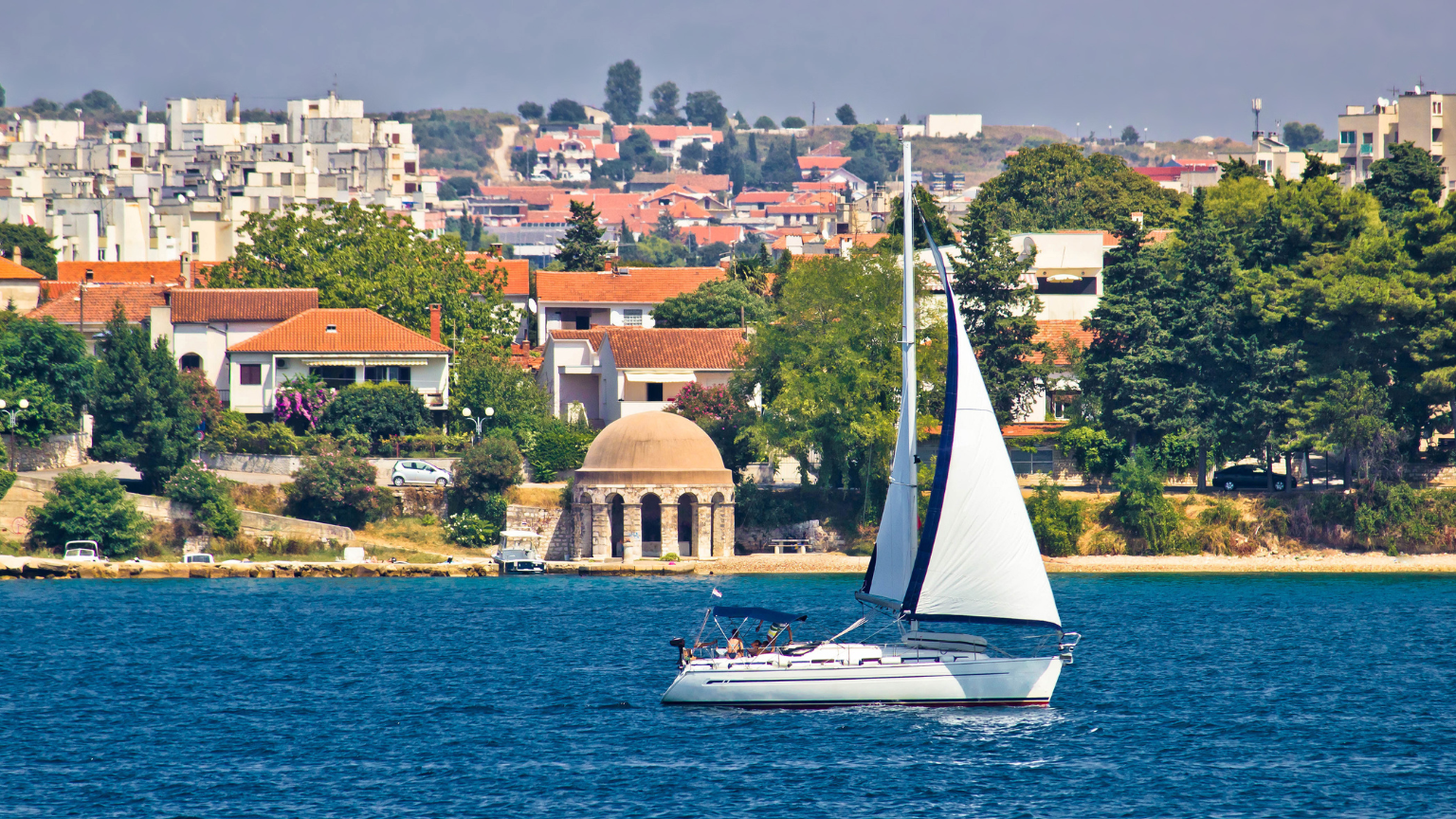

As dawn breaks over the Adriatic, the small town of Trogir comes alive with the sounds of creaking wooden masts and ringing laughter. Old sailors gather along the stone pier, tuning their traditional klapa groups, while families prepare fragrant grills of black risotto and fresh octopus to share after the races. The air hums with a sense of anticipation—the annual Dalmatian regatta is about to begin.
This event is more than a sailing race; it is a gathering that weaves centuries of maritime life into a communal ritual. On the Dalmatian coast, these regattas celebrate not just the speed of boats but the enduring bond between sea and people. They blend boat-building craft, sea shanty singing, and coastal food festivals that anchor the region’s identity.
The Living Tradition
Dalmatian regattas trace their roots to fishing contests recorded as far back as the 19th century. These events grew from practical seafarer challenges into vibrant cultural festivals. In 1861, the first Dalmatian Assembly acknowledged the region's shared heritage, boosting the connection between cities like Dubrovnik and Split that still fuel these regattas today. Each regatta follows a set series of community rituals, from the blessing of the boats to the challenging coastal races that test crews against the often fierce mistral winds.
The mistral wind is a defining feature of sailing here. The National Weather Service notes that experienced sailors sometimes face gusts of up to 50 kilometers per hour, adding excitement for those taking part in longer ocean stretches, such as the week-long Dubrovnik-Split Sail Croatia race. These tough conditions make victories hard-earned and heighten communal pride.
Regattas also serve as living museums of Dalmatian maritime craft. Traditional boats like the bracera—a small, wooden sailing vessel unique to the Adriatic—are restored and raced alongside modern yachts. This mix preserves boat-building knowledge while embracing safe contemporary sailing.
The race courses weave between medieval towns, such as Šibenik and Trogir, turning the entire coast into a moving festival. Food stalls offer regional favorites like pašticada, slow-cooked beef stewed in red wine, and freshly caught seafood grilled over open flames. These culinary traditions emphasize Dalmatian hospitality—a quality described in a recent Top Croatian Events report as "fun, friendly, and wonderfully unique." Sea shanty groups perform traditional songs, often a cappella, to boost morale and celebrate seafaring history.
The People Behind It
At the heart of these regattas are the local communities that keep the traditions alive. In the village of Vela Luka on Korčula Island, 65-year-old Mate Jurić has been crewing since he was 12. "This is part of who we are," he says. "The sea teaches patience, teamwork, and respect." Mate leads a local klapa group that performs before and after races, passing on songs learned from his grandfather.
Women play a growing role in these events. Marina Perković, skipper of a mixed-gender crew, is breaking old stereotypes. She points out that community support has grown stronger, helping younger sailors join and learn. Her group won last year’s split regatta under challenging mistral conditions.
Community volunteers organize the festivals, often funding events through small donations and local business partnerships. In Split, fisherman Ivica Kovač operates a seafood stall during regatta weekends. He says these gatherings boost the local economy and reinforce a shared identity rooted in the sea. "We celebrate together. It’s about more than winning a race—it’s for our children and the future," Ivica notes.
This communal spirit often extends to guests and travelers, who are embraced when showing respect for traditions. Locals often invite visitors to post-race festivals, where stories of life at sea blend with music and food.
How to Experience It Respectfully
Tourists interested in understanding this coastal heritage should plan visits around regatta dates, typically held from late spring through early fall. The Dalmatian tourist boards publish detailed schedules each year, highlighting events in main ports such as Dubrovnik, Šibenik, and Trogir. Early booking is recommended since sailing charters fill quickly; Travelzoo offers packages starting near $1999 for week-long cruises featuring regatta participation.
Engagement starts with observation and respectful interaction. When attending races, spectators should stay within designated viewing areas on piers or land, avoiding interference with crews preparing their vessels. Photography is usually welcomed but asking permission before shooting individuals, especially community performers and fishermen, fosters good relations.
Visitors can join guided tours that explain Dalmatian maritime history and introduce sea shanty traditions. Some small-scale operators offer workshops on traditional boat handling, providing hands-on learning without disrupting local teams.
Sampling regatta cuisine presents another way to connect. Many coastal towns host outdoor markets during race weekends where visitors can taste authentic dishes such as gregada—a fish stew simmered with potatoes and wine. Patronizing family-run food stalls supports the local economy and welcomes cultural exchange.
Finally, time spent simply strolling the medieval streets and waterfront cafés allows travelers to witness daily rhythms shaped by the sea. This quiet appreciation complements the festive events and deepens understanding of Dalmatia’s maritime soul.
With careful attention and openness, participating or observing Dalmatian regattas offers a doorway into a living heritage. These events show how centuries-old customs endure not as relics but as vital expressions of community, identity, and life on the sea.
This article was written by Will and edited with AI assistance.