
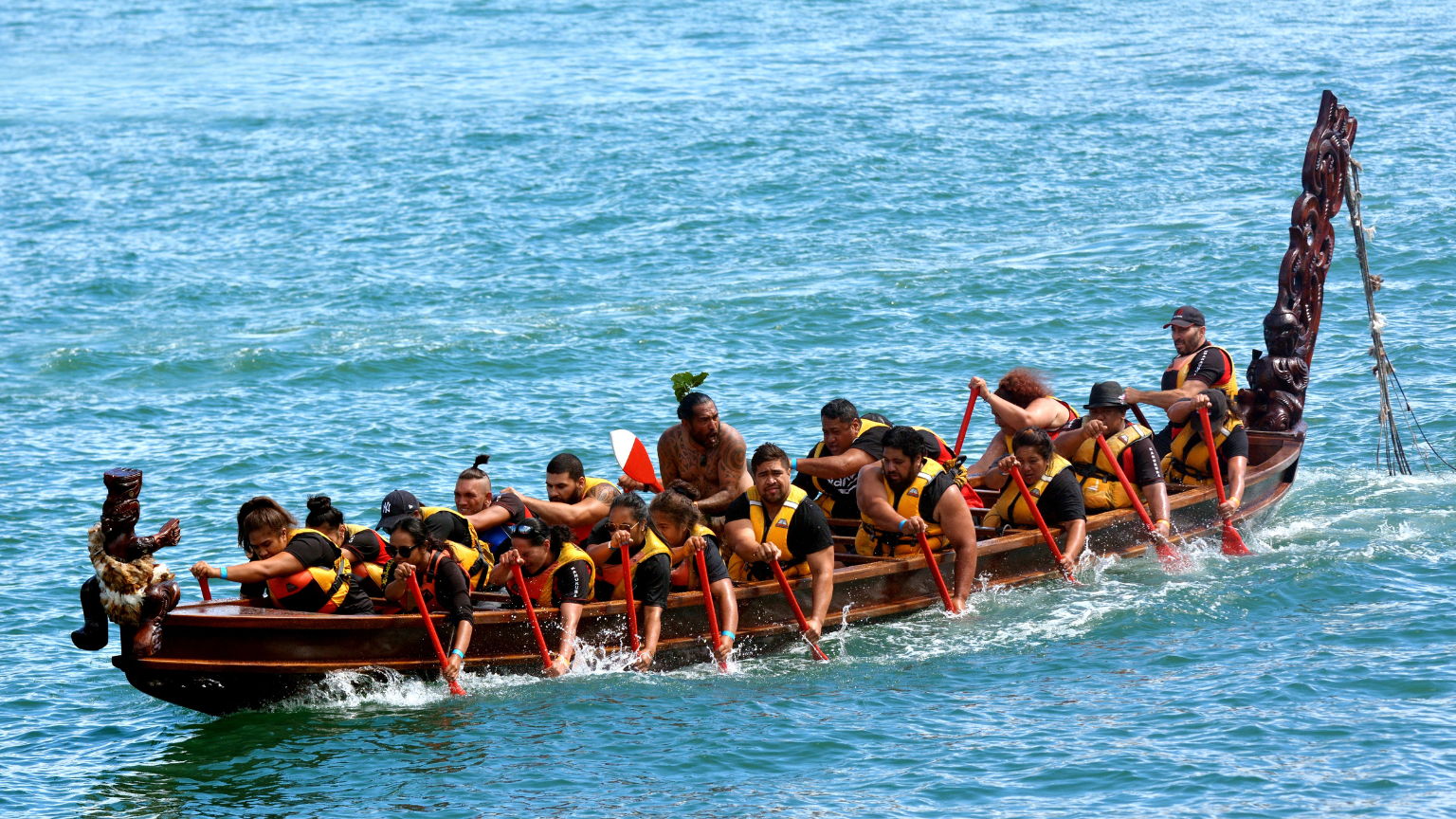

In a coastal workshop near Auckland, a group of Māori elders and young apprentices carve and shape giant wooden waka. They move with care and purpose, their hands steady as they sand the hulls and fit planks. Outside, the sea waits silently, ready to welcome the vessels bound for the water. This is not just boatbuilding; it is a living link to ancestors and a steady heartbeat in modern Māori culture.
The waka, traditional Māori canoes, carry stories from New Zealand’s past and connect diverse communities today. They recall a time when these vessels led exploration, trade, and communication across vast oceans. Now, they symbolize cultural revival and bring people together in a shared journey of identity and pride.
The Living Tradition
Waka building dates back centuries and is pivotal in Māori history. Early canoes transported iwi (tribes) and facilitated settlement across New Zealand’s islands. Each waka carries a name and stories tied to tribal lineage and place. The careful crafting involved sacred rituals and knowledge passed down through generations.
The tradition declined as European settlement grew, roads were built, and modern transport replaced these canoes. Revival efforts began in the 1980s and 1990s, sparked by Māori renaissance movements and inspired by Pacific neighbours. Waka ama racing, featuring sleek Polynesian-style canoes, gained popularity and fostered interest in traditional waka building. The late Sir Hek Busby was a key figure in restoring ocean-going waka and navigation skills, blending technology and tradition.
Today’s waka canoes reflect both ancestral design and contemporary innovation. They serve not only as craft for sport but as platforms for cultural education, environmental stewardship, and social unity. The annual gathering of waka crews from different iwi draws hundreds of participants, fostering community bonds and cultural pride.
The People Behind It
Behind every waka is a community deeply engaged in maintaining this heritage. Families and hapū (sub-tribes) gather to teach carpentry, storytelling, and language, nurturing Māori identity across generations. For many, waka building is a way to reconnect with home, whakapapa (genealogy), and tikanga (customary practices).
James Te Rangi, a waka builder from Ngāti Whātua Ōrākei, speaks of the craft as a life’s work that demands humility and respect. “Each stroke on the wood is an act of remembering who we are and where we come from,” he says. Apprentices often describe the process as transformative. One young woman shared how learning waka building restored her confidence and strengthened ties to whanau (family).
The community also extends beyond Māori. Early settlers used waka to navigate swampy areas like Christchurch before roads existed. Collaborative waka projects have helped heal past rifts and build mutual respect between Māori and Pākehā. Events such as waka welcoming ceremonies at the New Zealand Maritime Museum invite public participation and education, making culture accessible without appropriation.
How to Experience It Respectfully
Travelers seeking to witness or engage with waka traditions should approach with care and respect. Many Māori communities welcome visitors for guided tours, workshops, and cultural events. It is important to listen, observe protocols, and avoid intrusive behavior.
Participants should seek experiences led by Māori experts, ensuring accurate storytelling and cultural sensitivity. Donating to or supporting local waka projects helps sustain these initiatives. Visitors should not take photos without permission or handle waka without guidance, as these are treasured taonga (treasures).
Respecting language and customs, such as greeting with a pōwhiri (welcome ceremony), deepens understanding and honours Māori values. Travelers who approach waka culture patiently will find meaningful connections and insight into New Zealand’s heritage.
The waka boatbuilding tradition remains a vibrant thread weaving past and present. It unites people, strengthens identity, and invites all to share in a story shaped by the sea and shaped by community. For those who listen carefully, these vessels still speak the voices of ancestors and promise a future grounded in respect and renewal.
This article was written by Will and edited with AI assistance.