
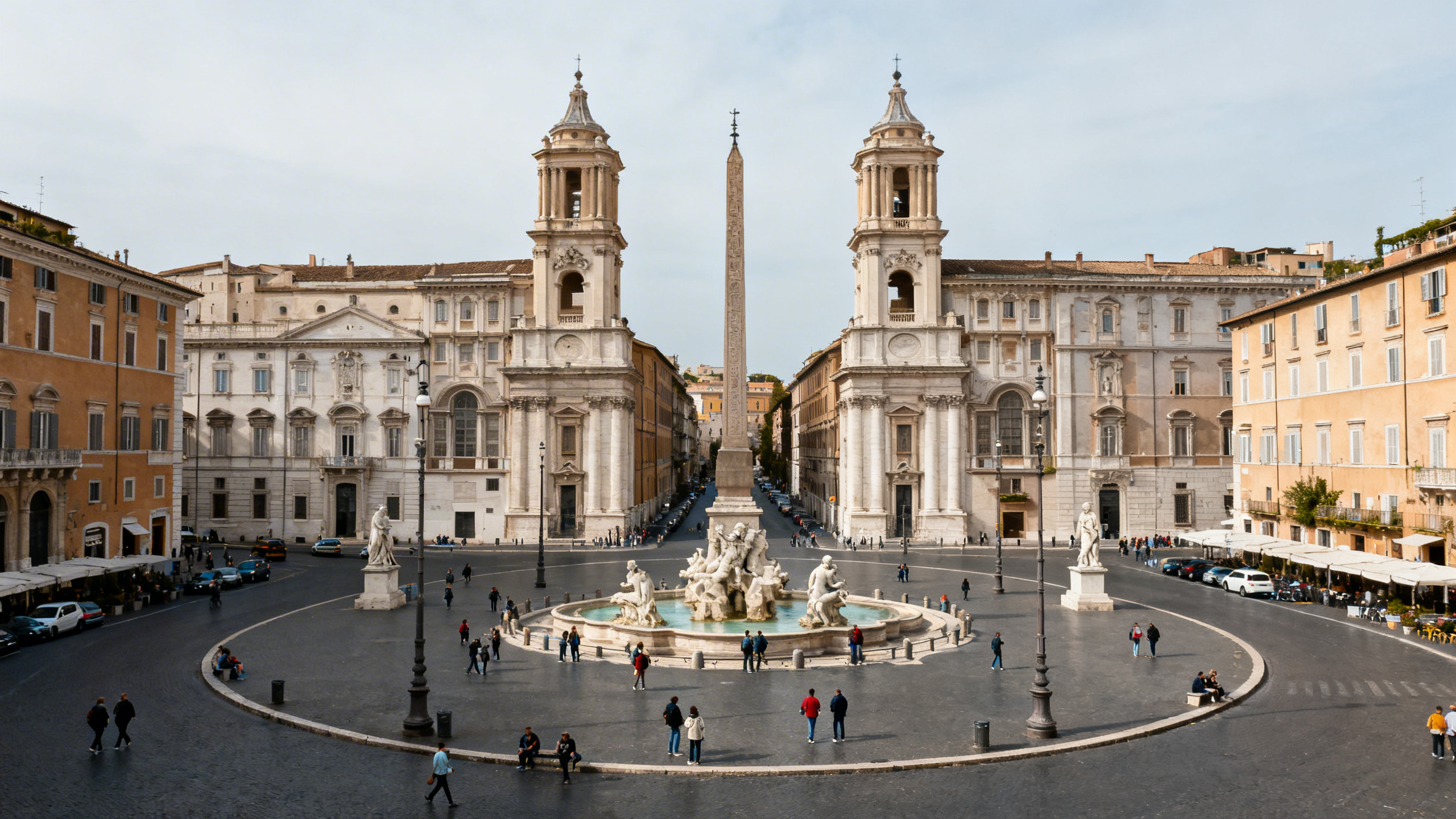
Rome is home to some of the world’s most impressive ancient landmarks and cultural sites. Here are 15 must-see monuments that capture the city's rich history and artistic heritage.
1. The Colosseum
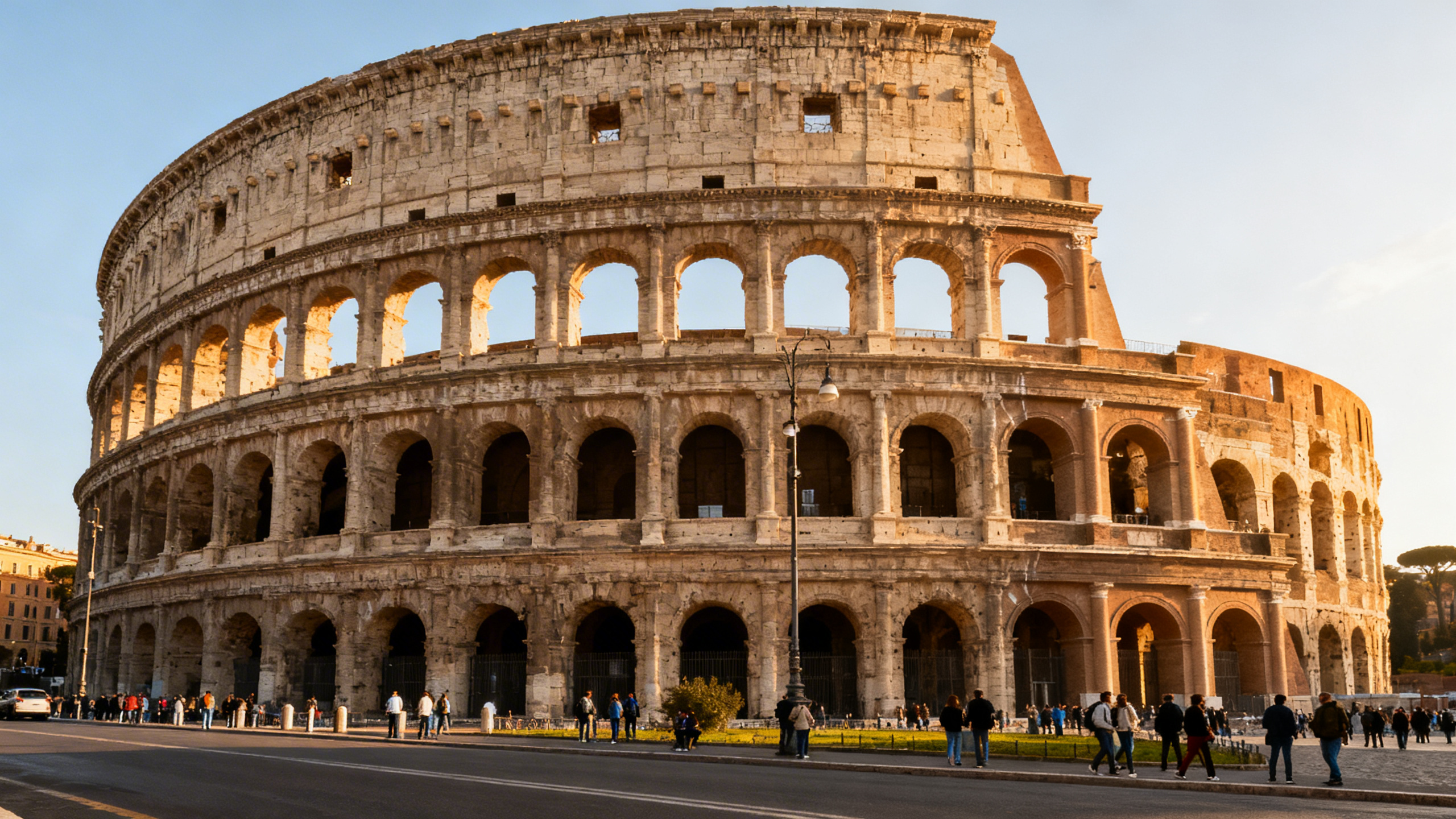
The Colosseum is Rome’s iconic symbol and one of the most famous ancient amphitheaters in the world. Tickets generally cost around 16 EUR, with options to include entry to the Roman Forum and Palatine Hill. Aim to visit early in the morning to avoid large crowds and capture better photos of the massive, sunlit arches. Guided tours offer deeper insight into gladiatorial combat and the arena's complex underground chambers. This venue is stunning year-round but experiencing it in spring or autumn provides milder weather.
2. Roman Forum
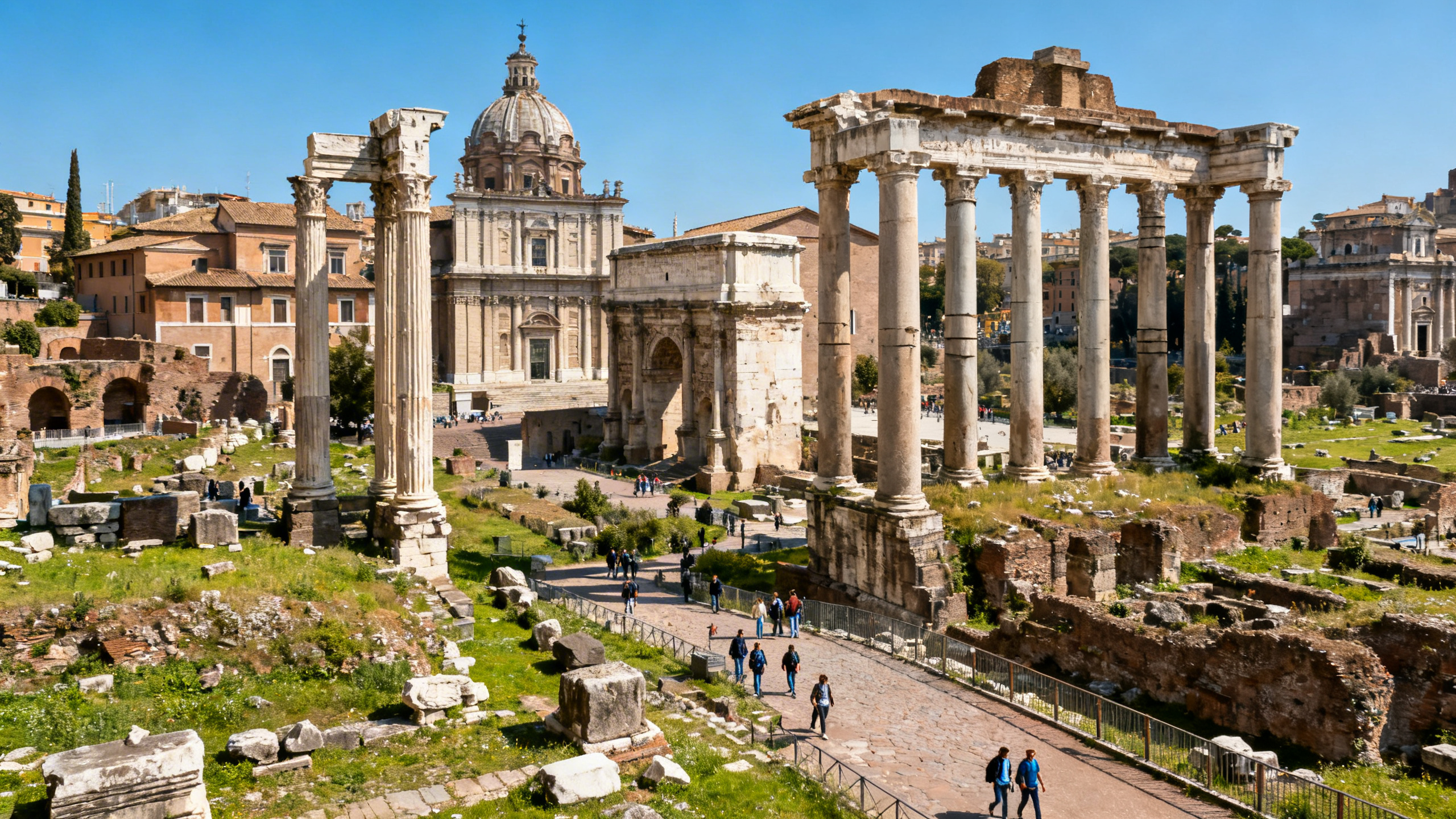
Located adjacent to the Colosseum, the Roman Forum was the heart of ancient Roman public life. Admission is often combined with neighboring monuments. Walk the ancient streets where public speeches and triumphal processions occurred. Highlights include the Temple of Saturn and the Arch of Titus. Visiting in the late afternoon provides a quieter atmosphere and softer light for photography. Wear comfortable shoes to navigate uneven stones and slopes.
3. Pantheon
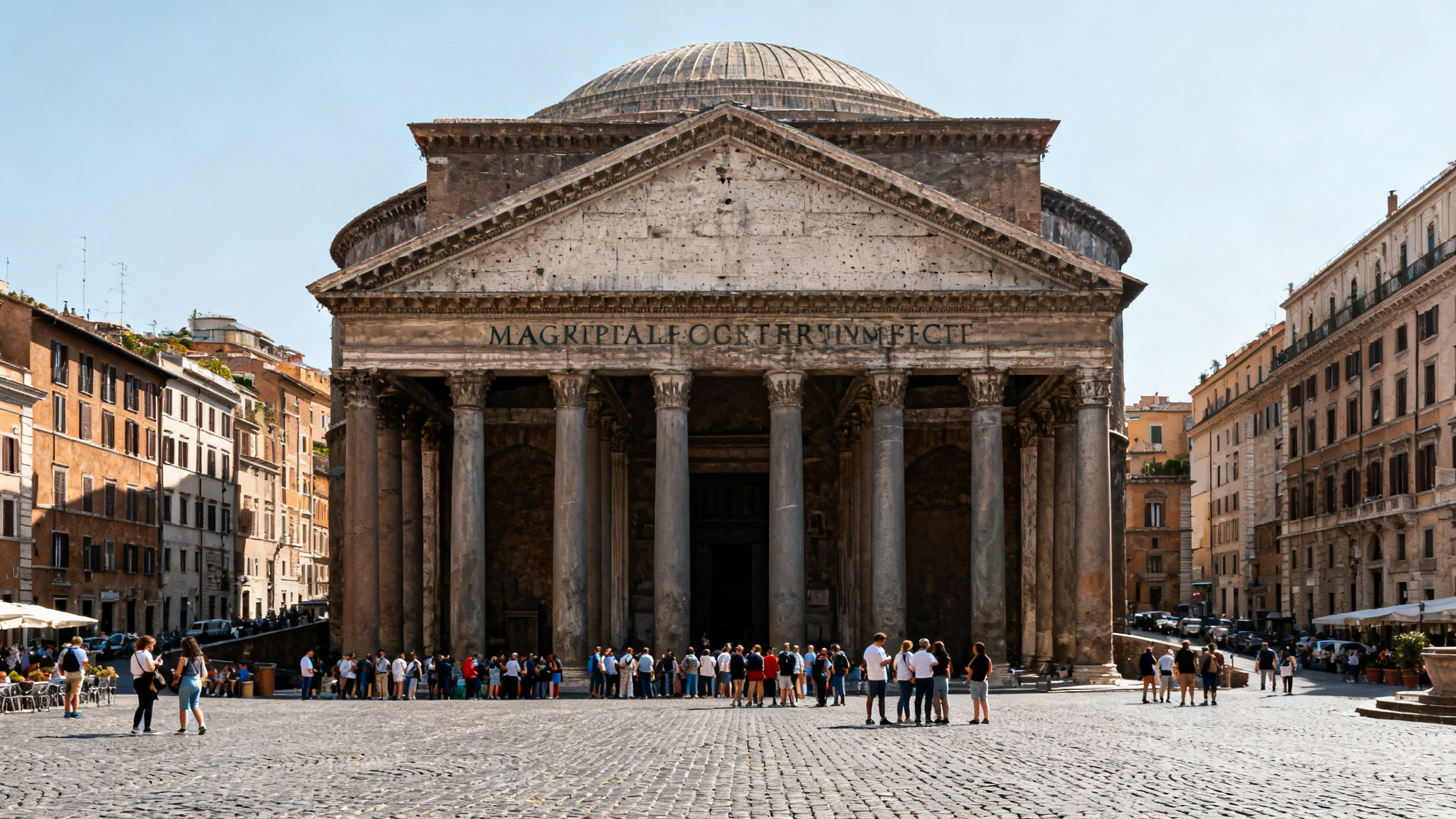
Known for its vast unreinforced concrete dome, the Pantheon is one of the best-preserved ancient Roman buildings. Entry is free, but some guided tours may charge a fee. The iconic oculus at the top of the dome fills the interior with natural light, best seen on sunny days. Nearby cafes offer excellent spots for people-watching after your visit. Arrive mid-morning or late afternoon to avoid peak crowds and enjoy the lively piazza outside.
4. St. Peter’s Basilica, Vatican City
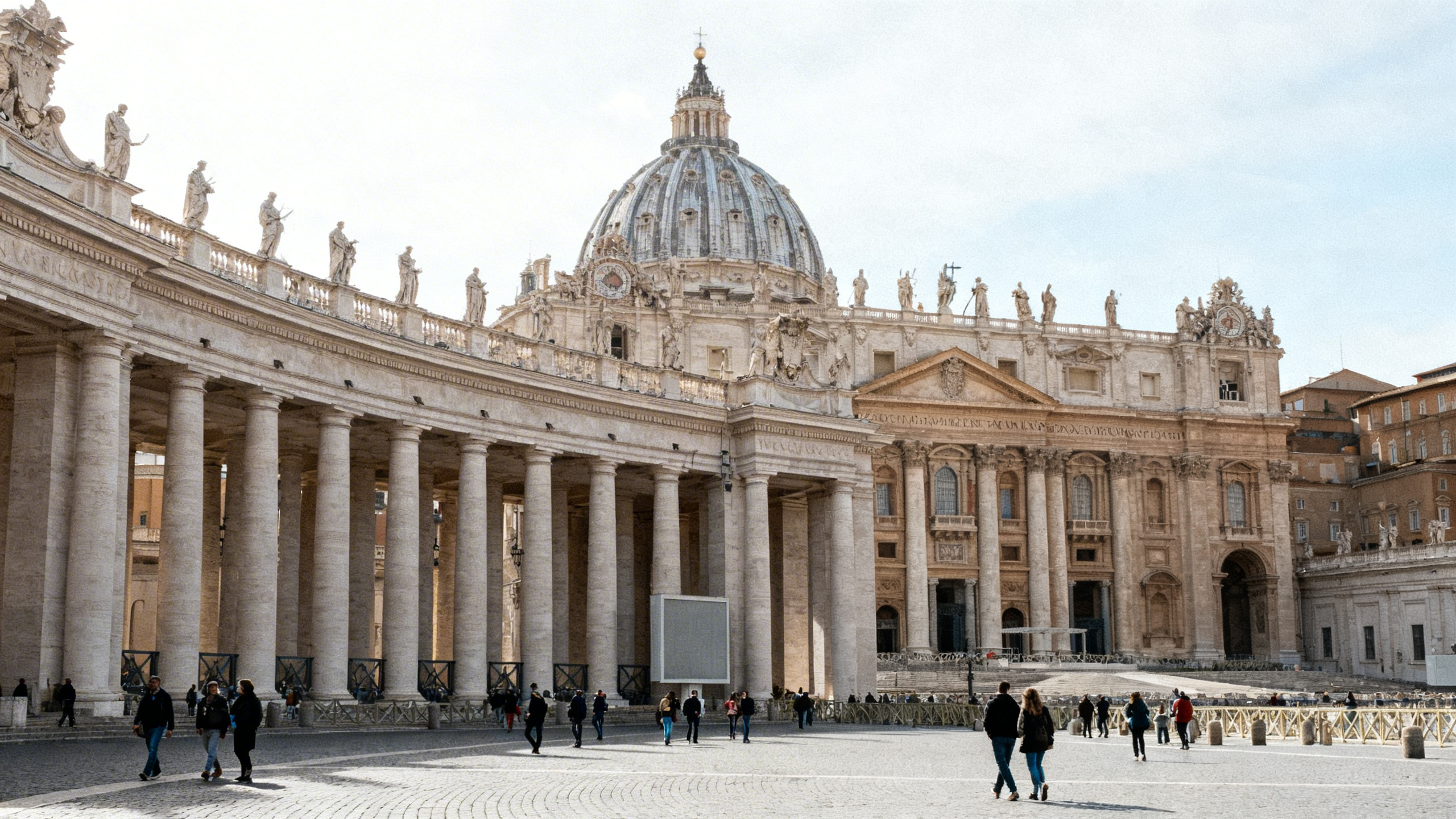
This is the centerpiece of Vatican City and one of the largest churches in the world. Entry is free, but expect security checks and lines, so morning visits are best. Climbing to the dome costs a fee but offers breathtaking views over Rome and the Vatican Gardens. The basilica’s stunning marble interiors and renowned artwork including Michelangelo’s Pietà draw millions of visitors yearly. Tickets for guided tours and early access can help avoid long wait times.
5. Sistine Chapel
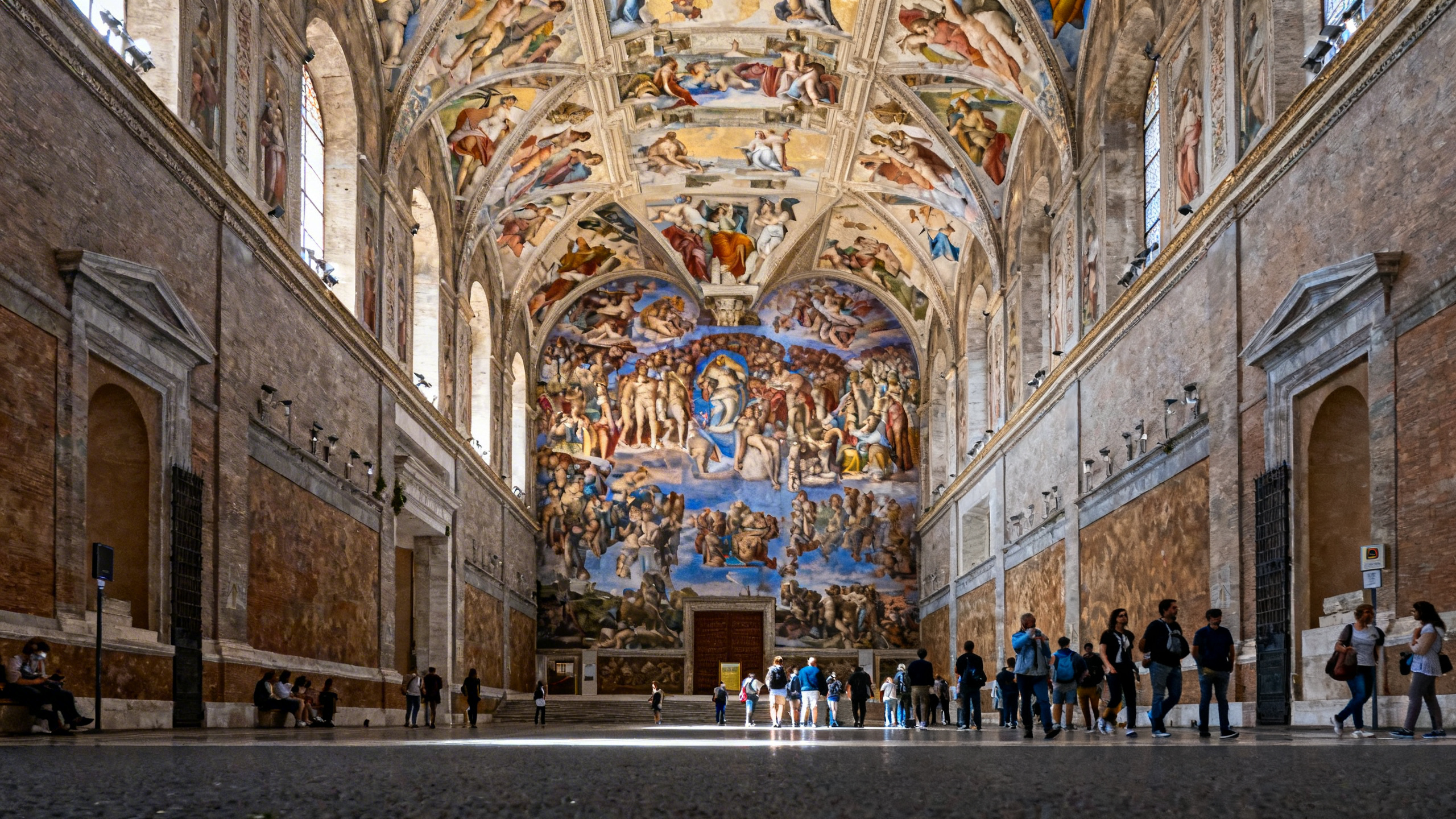
Famous for Michelangelo’s breathtaking ceiling frescoes, the Sistine Chapel is inside the Vatican Museums. Admission to the museums, which includes the chapel, costs roughly 25 EUR, with online booking recommended for skip-the-line access. Note that photography is prohibited inside. The best time to visit is early morning or late afternoon during weekdays to avoid crowds. Audio guides provide rich background stories on the art and the chapel’s historical role.
6. Galleria Borghese
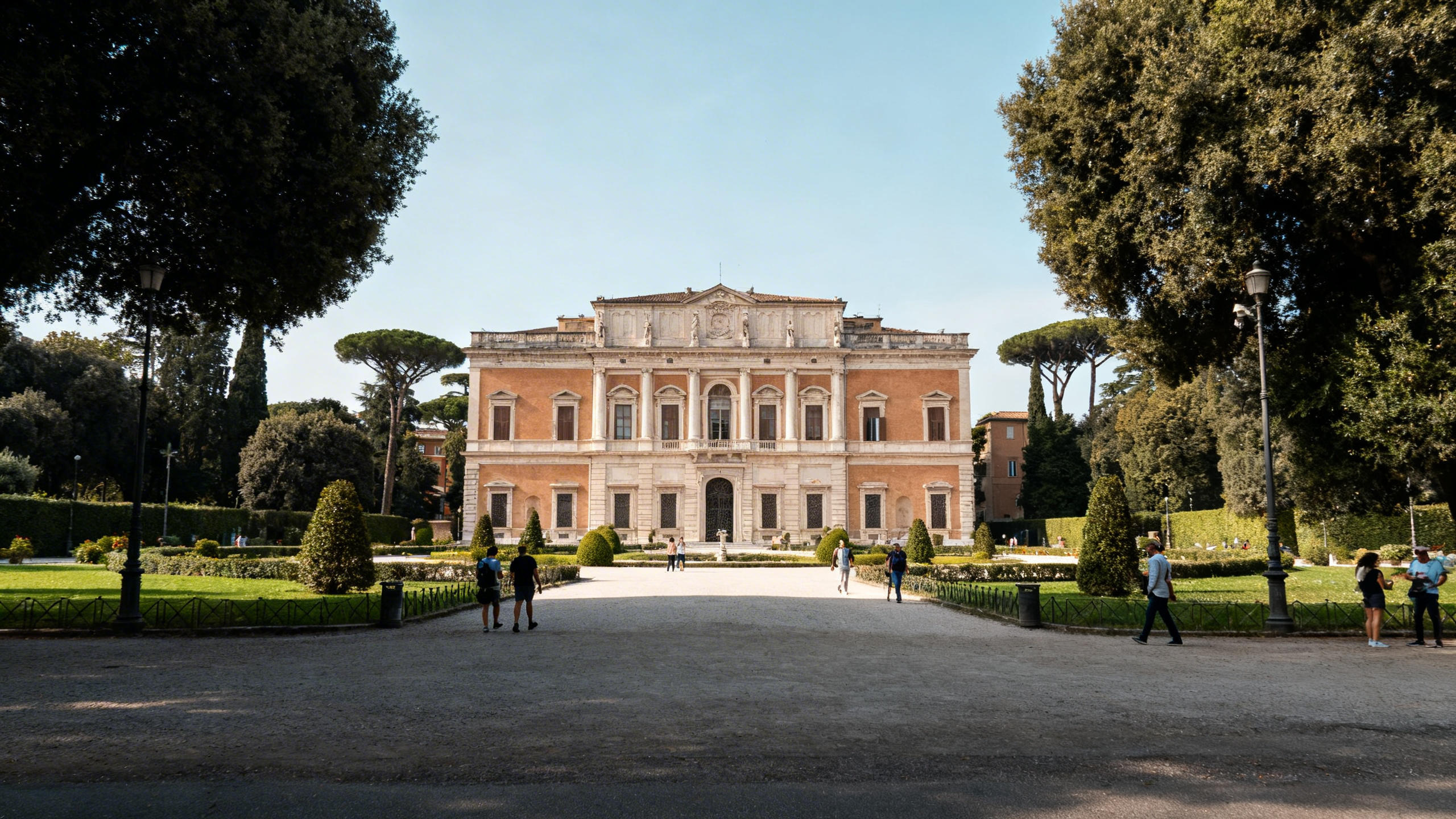
Set in the Villa Borghese Gardens, this gallery showcases works by masters like Caravaggio, Raphael, and Bernini. Tickets cost about 13 EUR and must be purchased in advance due to limited daily entry slots. The combination of fine art and surrounding gardens makes this monument ideal for both art lovers and nature fans. Plan for a 2-hour visit, and consider pairing it with a stroll in the nearby park. Weekdays usually have fewer visitors, making for a more relaxed experience.
7. Capitoline Hill and Capitoline Museums
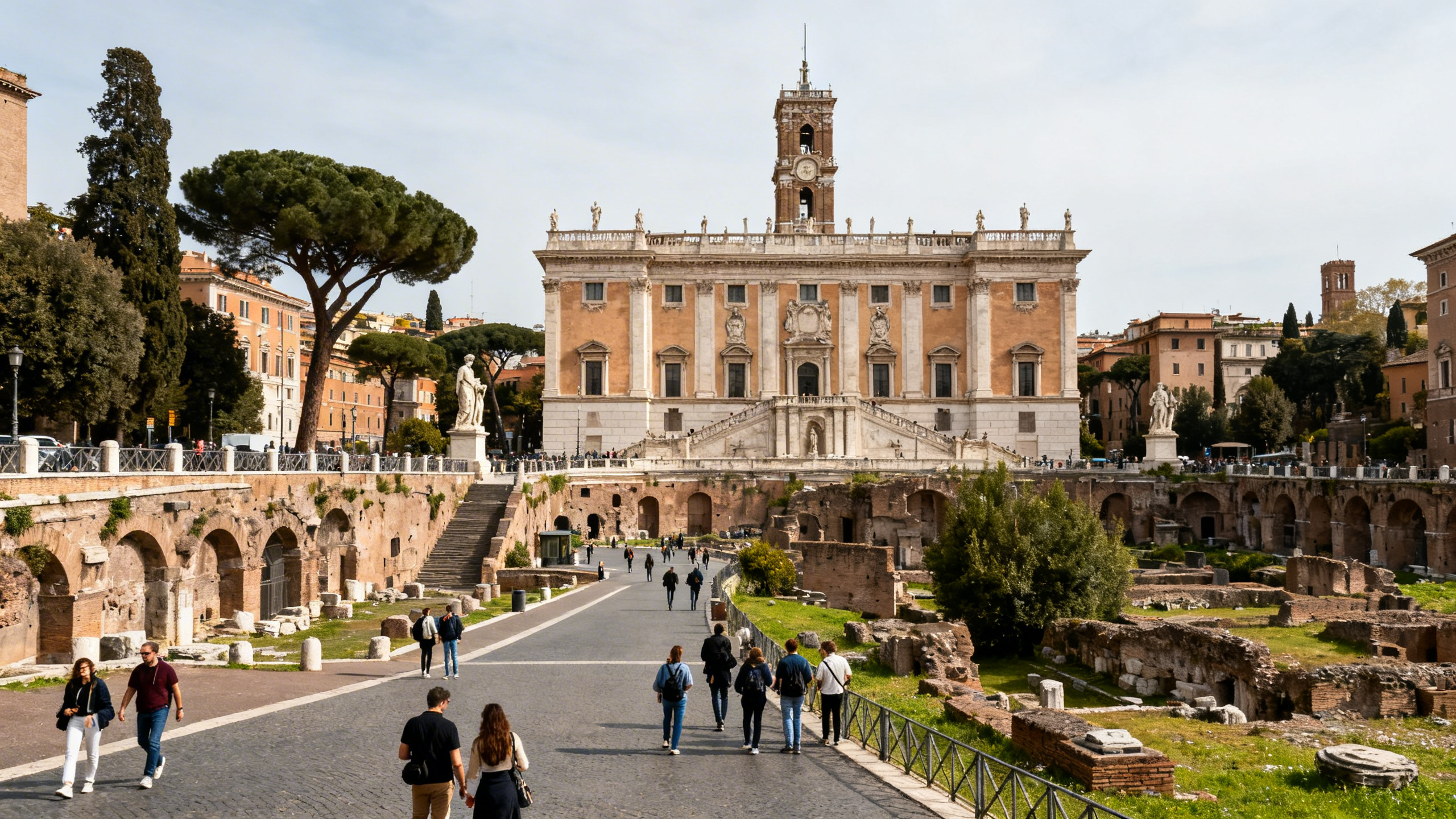
Perched on one of Rome’s seven hills, the Capitoline Museums contain ancient Roman statues and Renaissance art. Tickets typically cost around 15 EUR, and the museums are situated in stunning Renaissance palaces. This location offers panoramic views over the Roman Forum. Visiting during midweek mornings can help avoid crowds. Don’t miss the famous statue of the Capitoline Wolf and the impressive collection of marble busts.
8. Castel Sant’Angelo
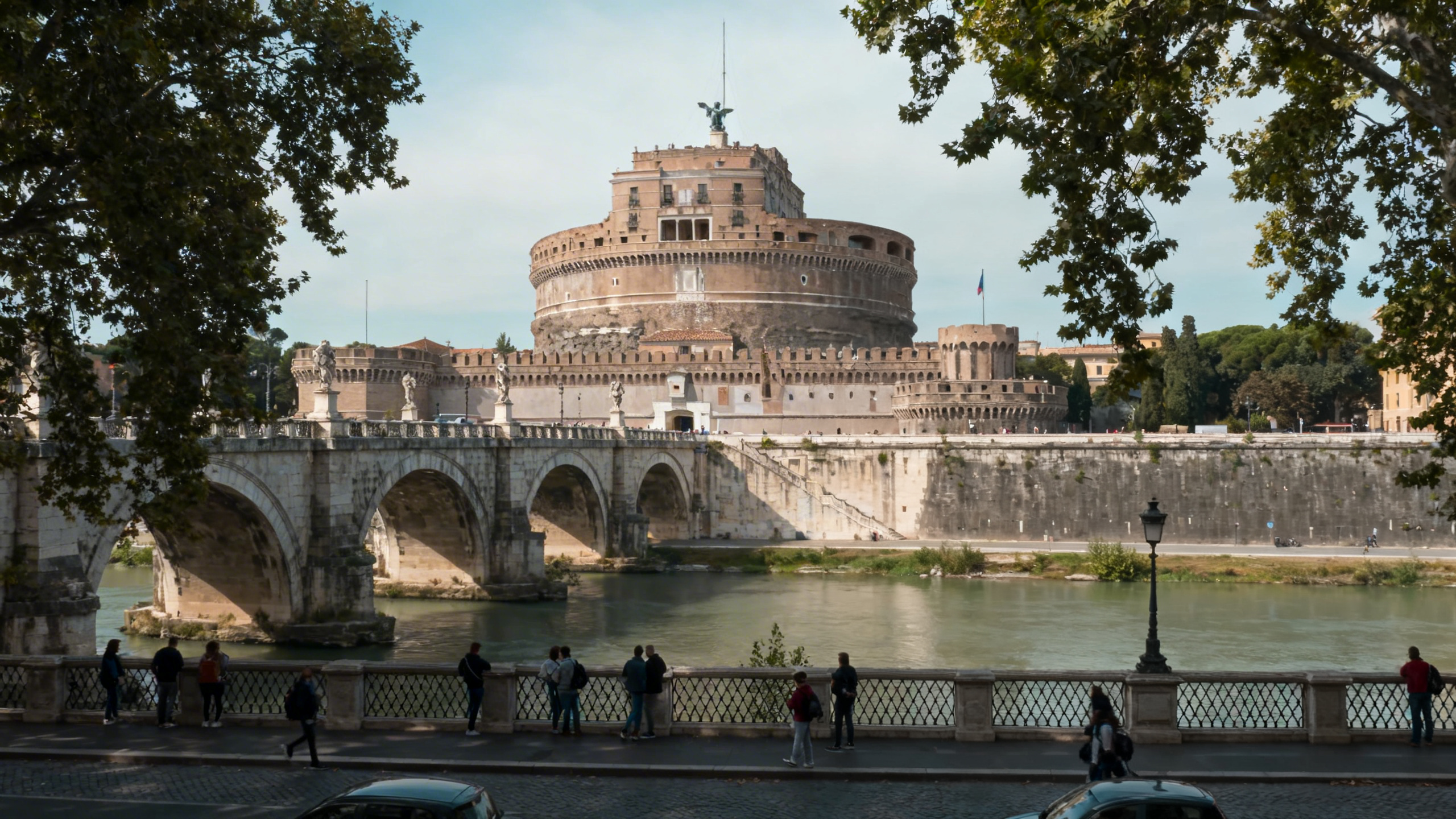
Originally built as Emperor Hadrian’s mausoleum, Castel Sant’Angelo later served as a papal fortress. Entrance fees are usually around 15 EUR. The castle houses museum exhibits covering its varied history and offers commanding views from its rooftop terrace. The approach via the Ponte Sant’Angelo bridge provides excellent photo opportunities. Sunset visits give the castle a warm glow and reduce daytime tourist crowds.
9. Piazza Navona
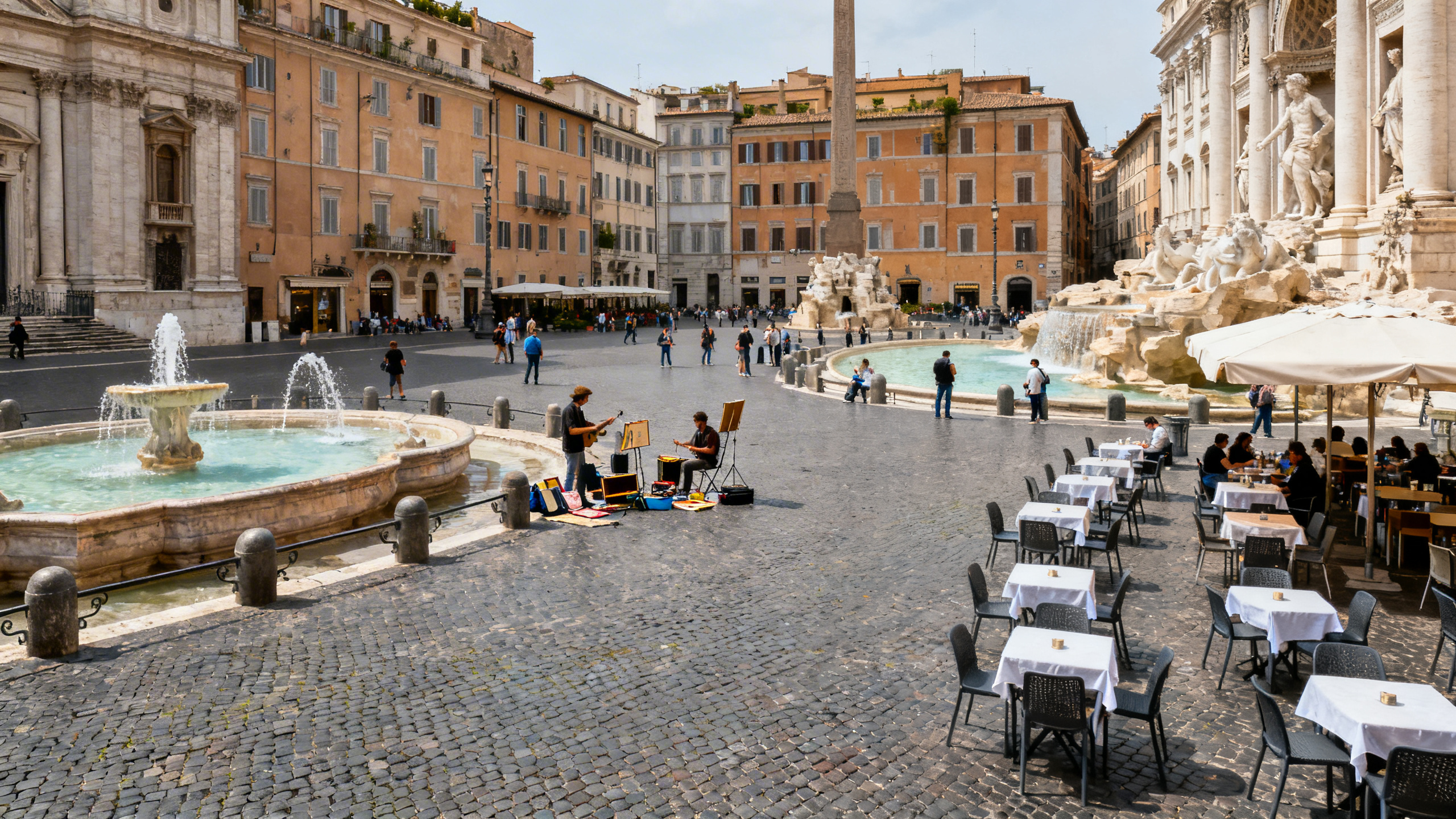
While primarily known as a lively public square, Piazza Navona features the stunning Fountain of the Four Rivers designed by Bernini. The square’s baroque architecture provides a monument-like ambiance with plenty of vibrant street life. It’s free to wander and a great place for an afternoon espresso or gelato. Visit early morning or late evening to enjoy the fountains with fewer crowds. The surrounding neighborhood is also perfect for exploring artisanal shops and trattorias.
10. Palatine Hill
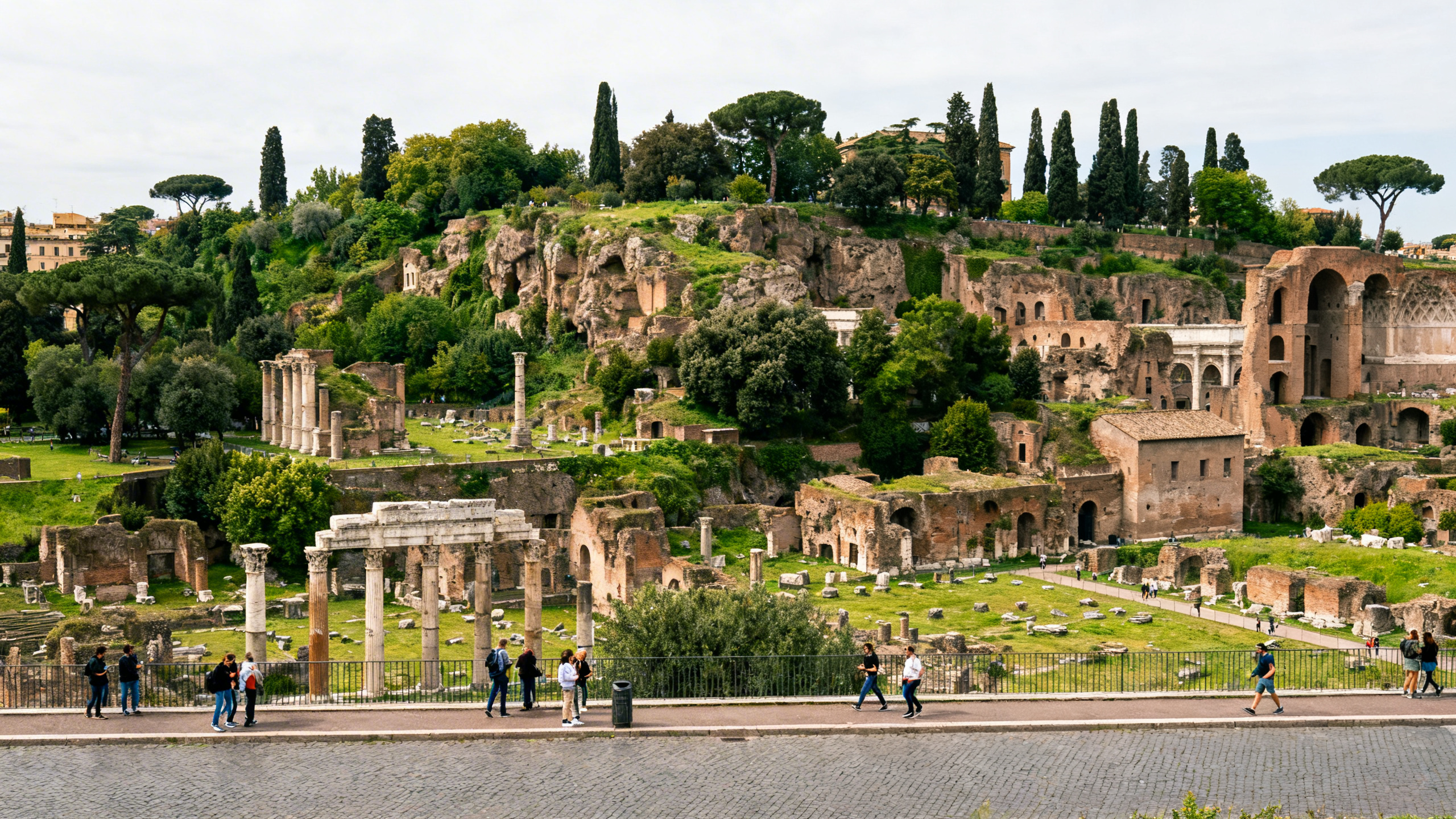
Believed to be the founding site of Rome, Palatine Hill offers archaeological ruins amid quiet, green spaces. Tickets are often bundled with the Roman Forum and Colosseum. The hill features ruins of imperial palaces and stunning views of the city’s historic center. Morning visits are more peaceful and cooler in warmer months. It provides a chance to reflect on Rome’s origins away from bustling tourist hubs.
11. Trajan’s Column
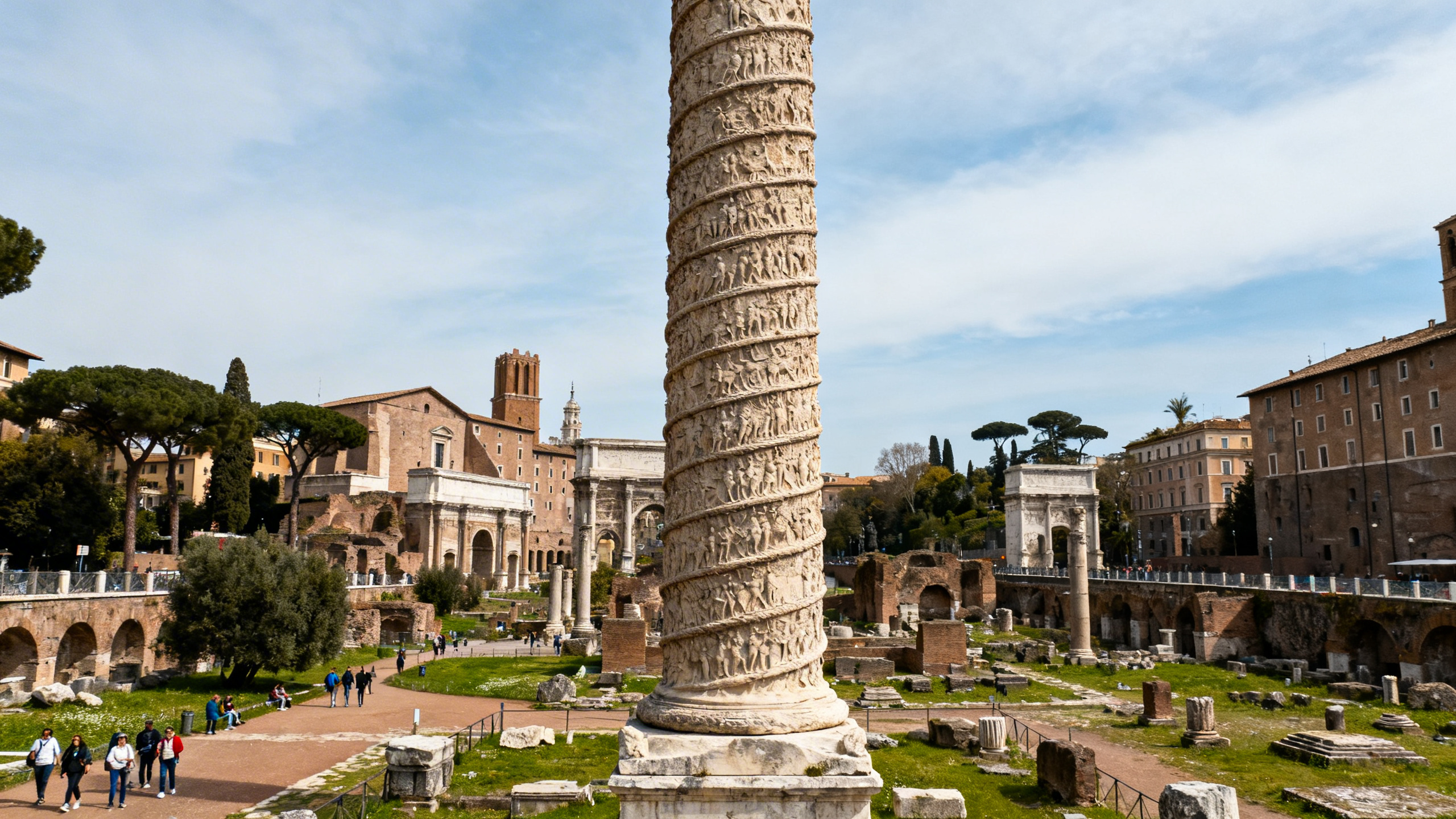
This marble column commemorates Emperor Trajan’s victory in the Dacian Wars. It is located within Trajan’s Forum and showcases detailed bas-relief carvings spiraling upward. While you cannot climb the column, viewing it in the context of the nearby ruins adds to its dramatic impact. The spot is less crowded than other major landmarks, making it a good quick stop on a historic walking route. Look for interpretive signs to understand the scenes carved on the column.
12. Ara Pacis Augustae
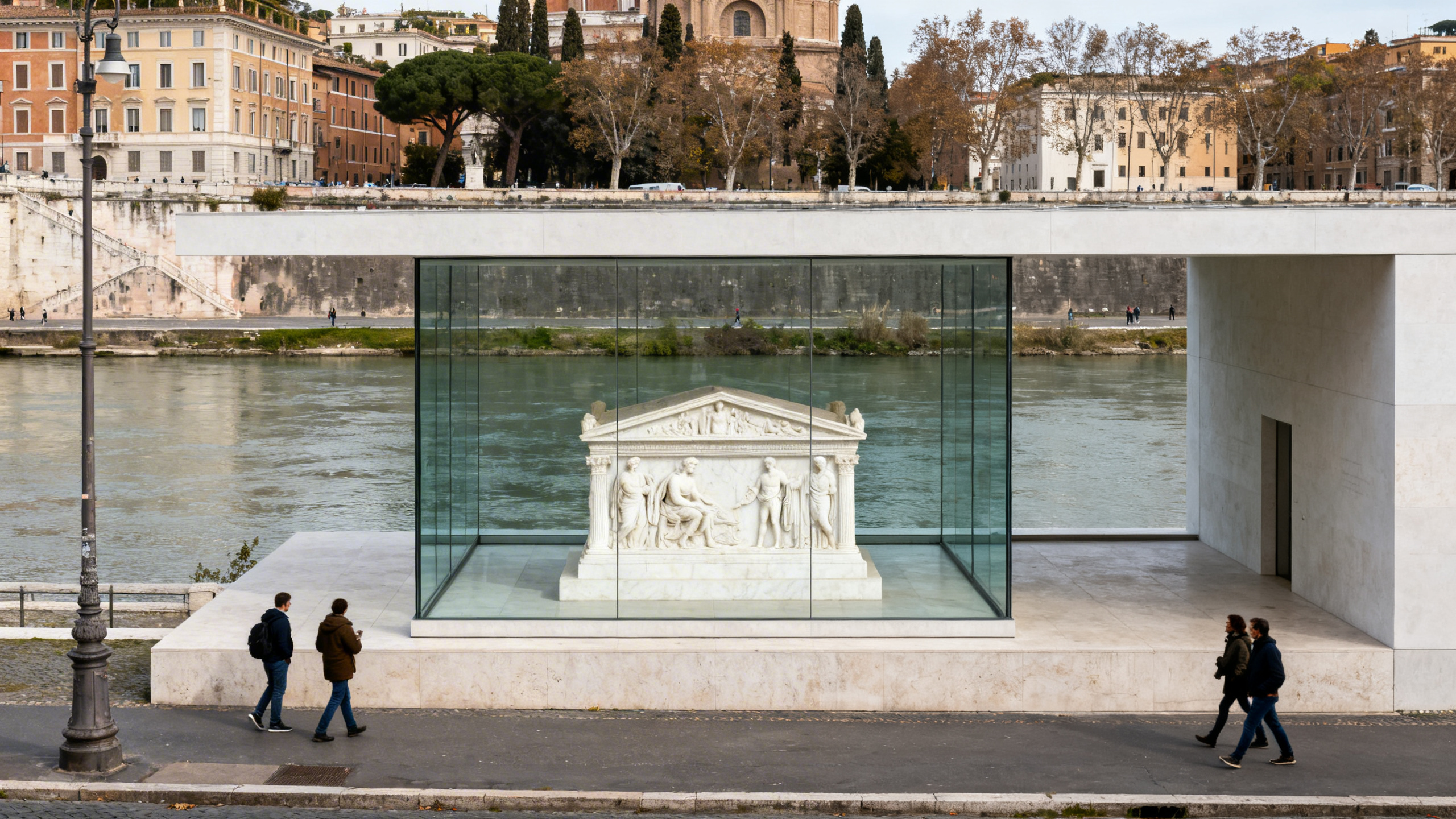
This altar was dedicated to the Roman goddess of peace under Emperor Augustus and is famed for its intricate marble reliefs. It is displayed inside a modern museum near the Tiber River. Tickets usually cost about 10 EUR. The indoor setting allows for detailed viewing regardless of weather. Visiting outside peak hours helps avoid crowds and provides a quiet environment to admire the delicate carvings.
13. Baths of Caracalla
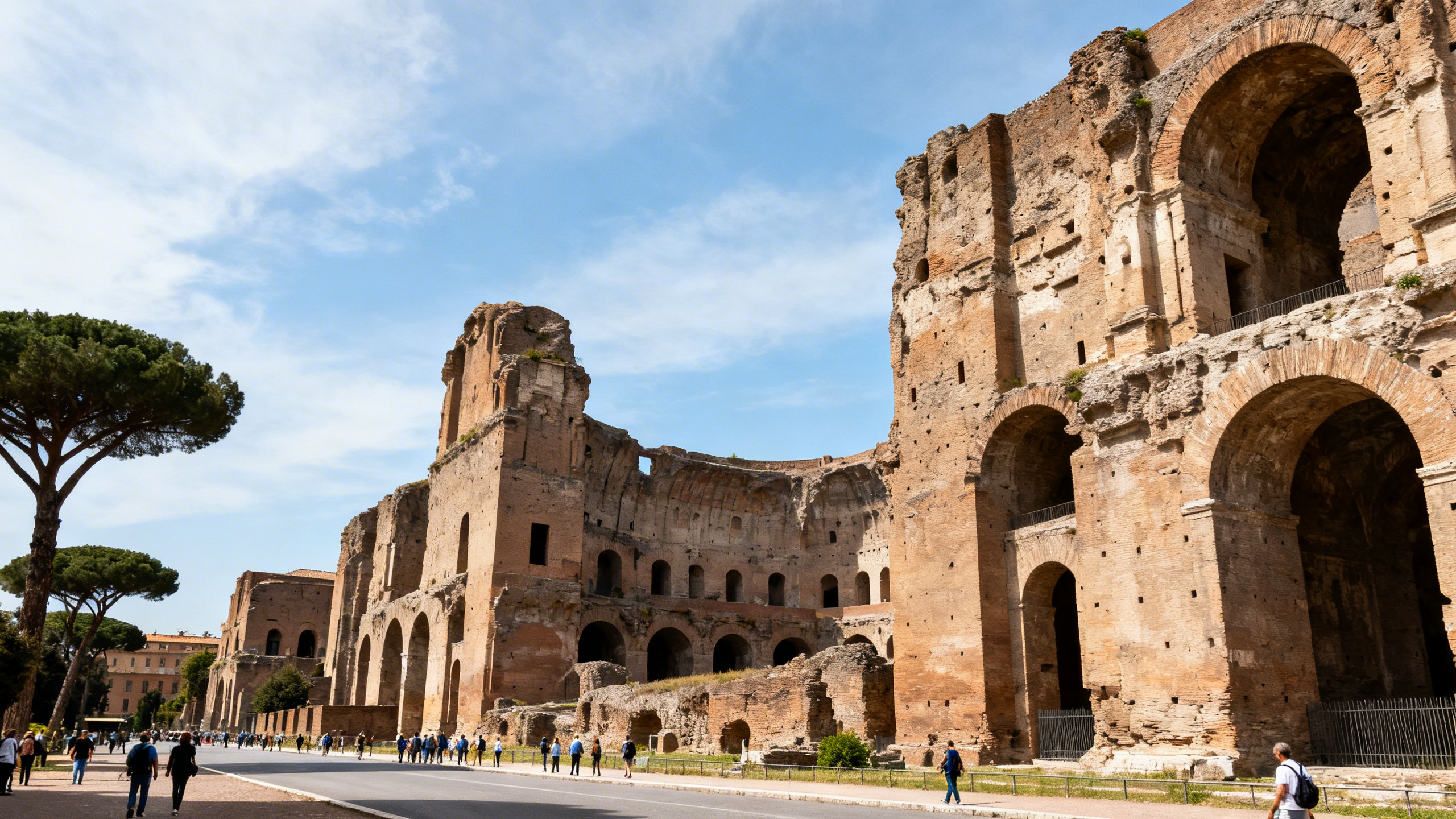
These baths were once one of Rome’s grandest public bathing complexes, featuring large halls and pools. Tickets are generally affordable, often under 10 EUR, and the site is less crowded than the main historic center. The scale of the ruins is awe-inspiring, with mosaic floors and towering walls. Visiting in the cooler early morning or late afternoon is recommended. Guided tours can provide fascinating context about Roman social life and engineering.
14. Ponte Milvio
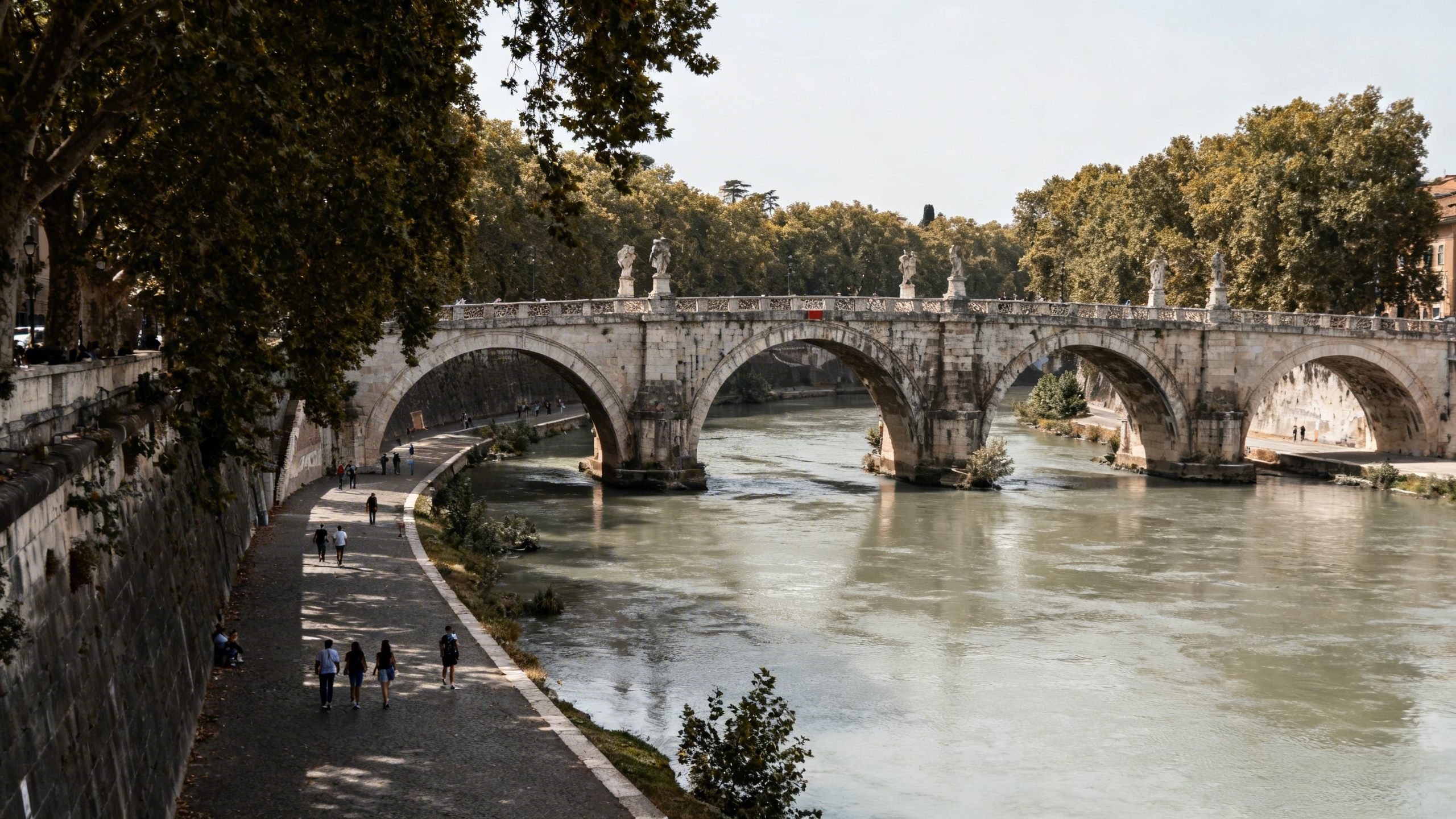
One of Rome’s oldest bridges, Ponte Milvio offers a walk along the Tiber with views of the city. While less ornate than other monuments, its historical significance and charm make it worthwhile. The bridge is popular for evening strolls when the sunset reflects on the river. Nearby cafés and local bakeries add to the relaxed atmosphere. It’s a peaceful spot away from crowded central sites.
15. Piazza del Popolo
This large public square is a grand entrance to Rome’s historic center featuring fountains and historic churches. The piazza has served as a meeting point for centuries and hosts concerts and events. It’s free to visit and perfect for people-watching or grabbing coffee at one of the outdoor terraces. Climb the nearby Pincian Hill for a panoramic view of the square and the city skyline beyond. Early mornings offer a photo-friendly quietness.
16. Santa Maria Maggiore Basilica
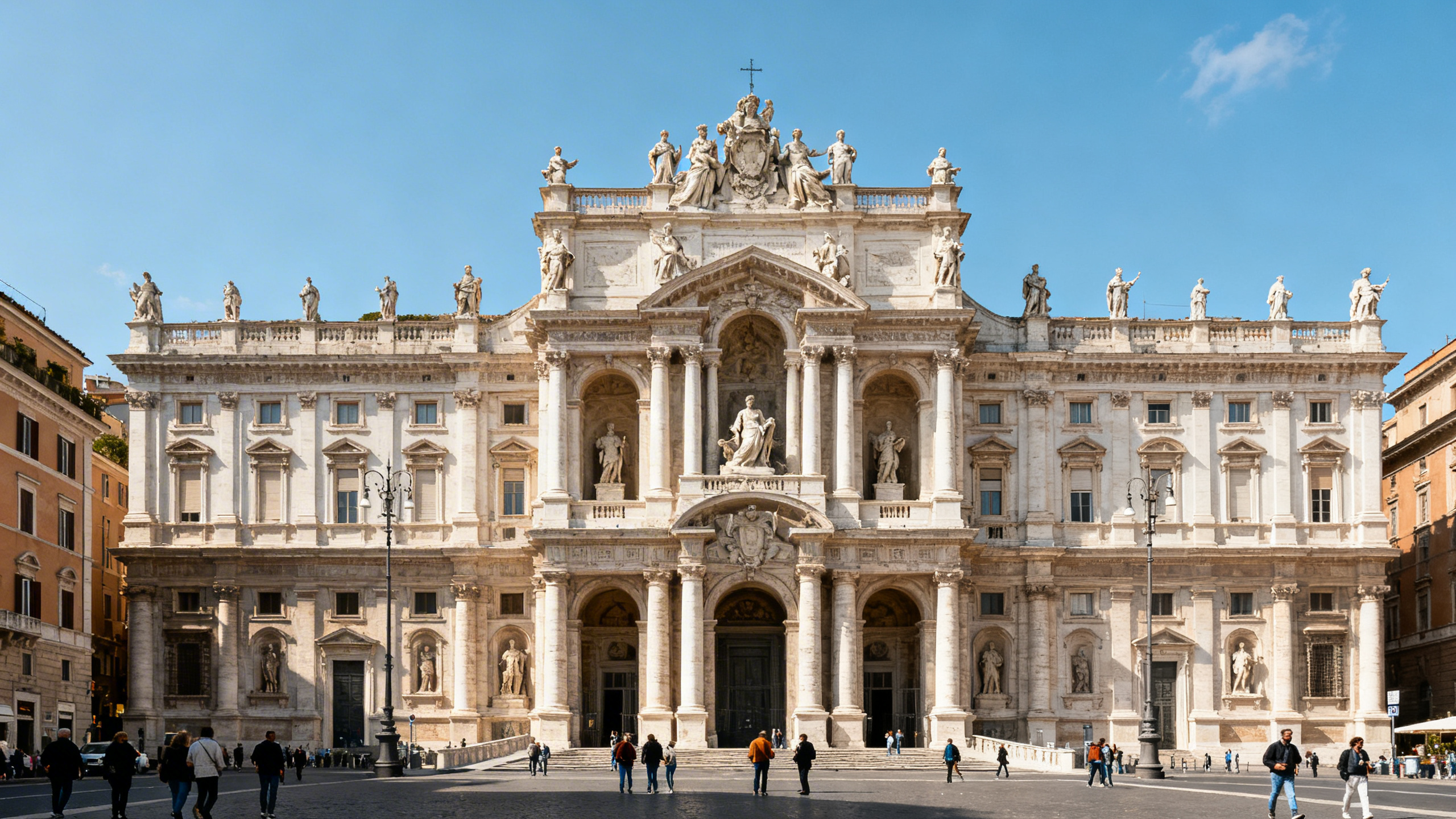
One of Rome’s four papal basilicas, Santa Maria Maggiore features remarkable mosaics from the 5th century and lavish interiors. Entry is free, and the church is open daily for visitors. Its location near Termini station makes it easily accessible. Plan a visit to admire the ceiling’s gold mosaics and the ancient crypt beneath the church. Attending mass here offers a chance to experience local devotion combined with history.
Rome’s monuments offer a walk through thousands of years of history and artistry. Each site provides a unique glimpse into the past, making Rome an unparalleled destination for travelers interested in culture and ancient wonders.
This article was written by Hunter and edited with AI assistance. The Daily Dive travel desk uses AI-assisted visuals and content that were reviewed and approved by our editors prior to publication.
© 2026 Daily Dive