
Across the globe, some communities thrive in places so isolated and challenging that mere survival feels like a triumph. From icy tundras to rugged mountains and vast oceans, these places demand resilience, patience, and a unique way of life. Let’s explore these extraordinary inhabited spots where isolation is the norm and nature calls all the shots.
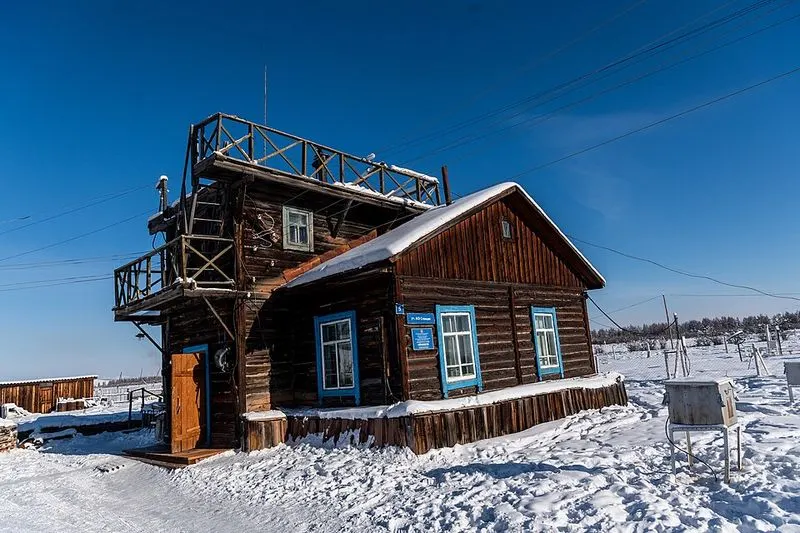
1. Oymyakon, Sakha Republic - Russia’s Icy Heart
In Oymyakon, freezing temperatures aren’t just weather-they shape everything. Winters are so intense that cars are tucked indoors, and your breath sparkles in the air. Travel slows on slippery roads, daylight is scarce, and services become rare. Locals bundle up carefully, eat filling meals, and keep engines humming. Every journey requires precise planning, and if the wind picks up, you simply wait it out. When spring finally arrives, life expands again, but for much of the year, the community exists in a frozen, carefully measured rhythm.
2. Anaktuvuk Pass and Isolated Northern Alaskan Villages
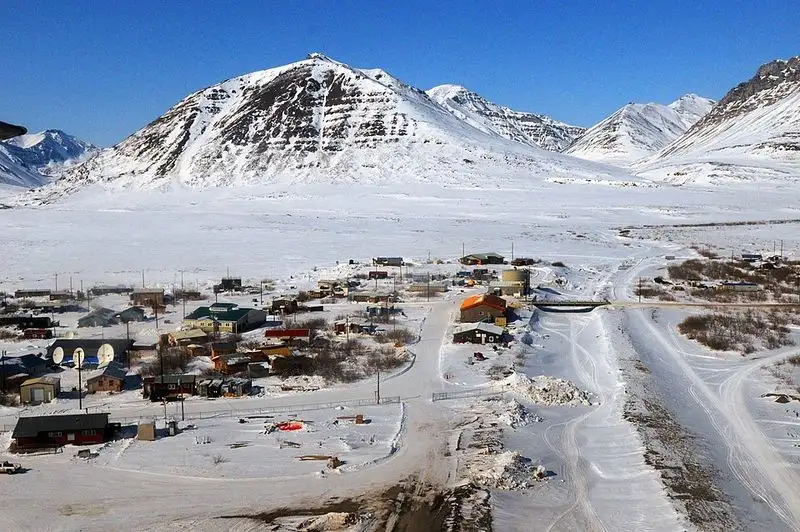
In this remote stretch of Alaska, small airplanes act as school buses, delivery trucks, and vital connections to the outside world. Villages depend on airstrips, snowmobiles, and boats that arrive only when rivers thaw. Weather, darkness, and vast tundra dictate movement and timing. Mail delivery feels like a special occasion, and fuel shipments are carefully scheduled with storm contingencies. Hunting and community gatherings sustain culture here, and travel opportunities are few-when fog descends, plans pause. Lightweight packing, layering, and treasuring every seat aboard the bush plane become second nature.
3. Ittoqqortoormiit by Scoresby Sound, East Greenland
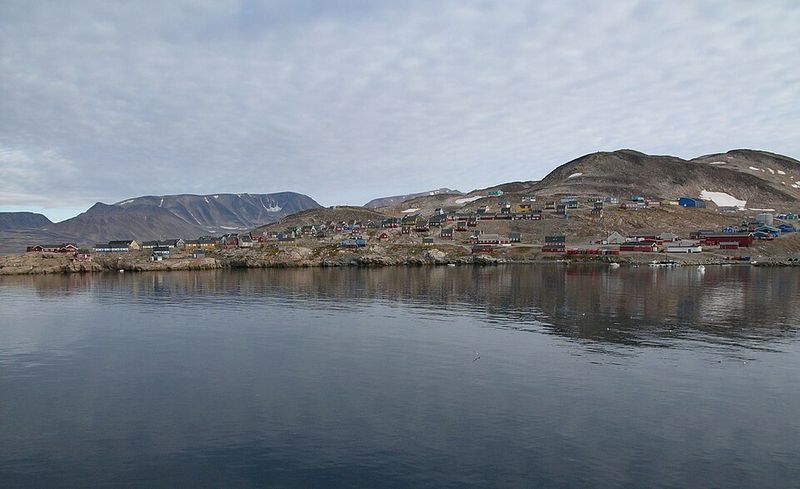
Getting to Ittoqqortoormiit is a matter of watching the sky and sea for perfect weather breaks. Flights come sporadically, summer boats navigate the fjords, and in winter, movement can halt for weeks. Sea ice sets the tempo, making patience essential. Hunting and fishing provide sustenance as locals carefully prepare for seasonal changes. When the helicopter arrives, it’s a buzz of activity-supplies fly in, news spreads fast. Outside, the vast white and blue landscape stretches endlessly, while inside, warm tea soothes and time slows, waiting for the next window to open.
4. Socotra Island, Yemen - Nature’s Remote Treasure
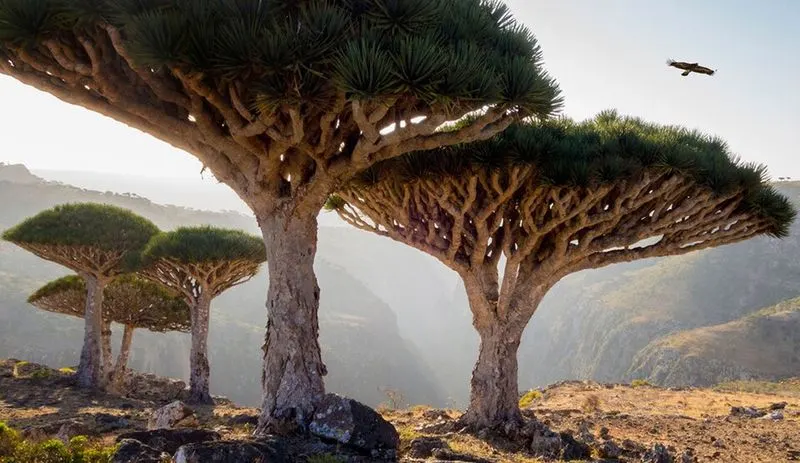
Socotra’s alien landscapes are home to people who live by fishing, herding, and caring for rare plant life. Flights come unpredictably, and ships take their time, making supplies feel precious and scarce. Islanders rely on repairing, sharing, and retaining traditional skills to adapt. When a plane lands, the markets erupt with energy before settling back to island pace. Footpaths tie together tiny villages, always with the sea in view. Time is measured by the wind’s rhythm. Unique plants thrive here, and locals carry a deep sense of stewardship while visitors remain few and far between.
5. Life on the Kerguelen Islands, French Southern Territories
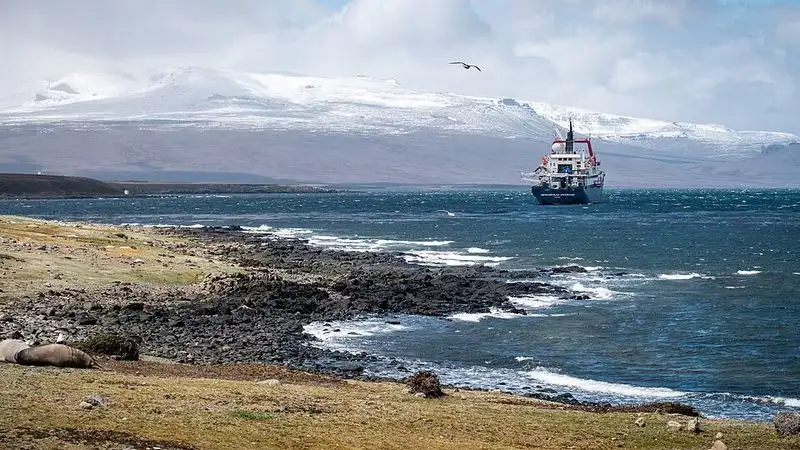
Without a commercial airport, Kerguelen is reached only by long sea voyages or rare supply flights, mostly serving researchers and station staff. Life revolves around ship schedules-no vacations or quick trips here. When the supply vessel arrives, the base buzzes with activity, crates stack up, and messages surge. Then calm returns, leaving only the wind and data collection. Residents track essential items like fuel and equipment as if following a sport, living by the strict timing of manifests and maintenance. Wildlife neighbors the solitude, with the vast Southern Ocean always present.
6. Easter Island, Chile - Life Among the Moai
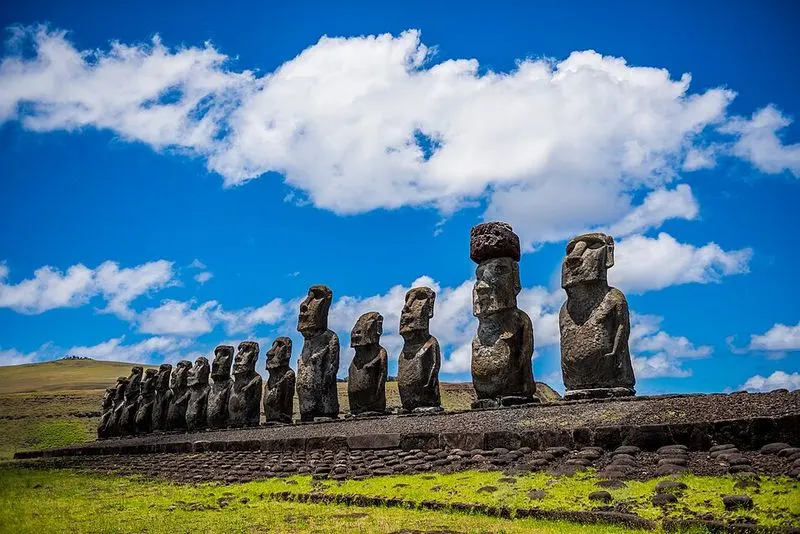
Flights do reach this distant island, but weather often reshuffles plans. Isolated from mainland hubs, delays ripple through daily life and supplies. Residents balance tourism, family, and tradition with practiced calm. The iconic Moai statues gaze steadily over the land, marking time. When planes arrive, fresh food and visitors invigorate the streets; when they don’t, locals rely on ingenuity, swapping recipes and making do. The island feels whole and self-aware, where the ocean’s salt air and patient pace define daily life and local values.
7. Supai Village, Havasupai Reservation, Arizona
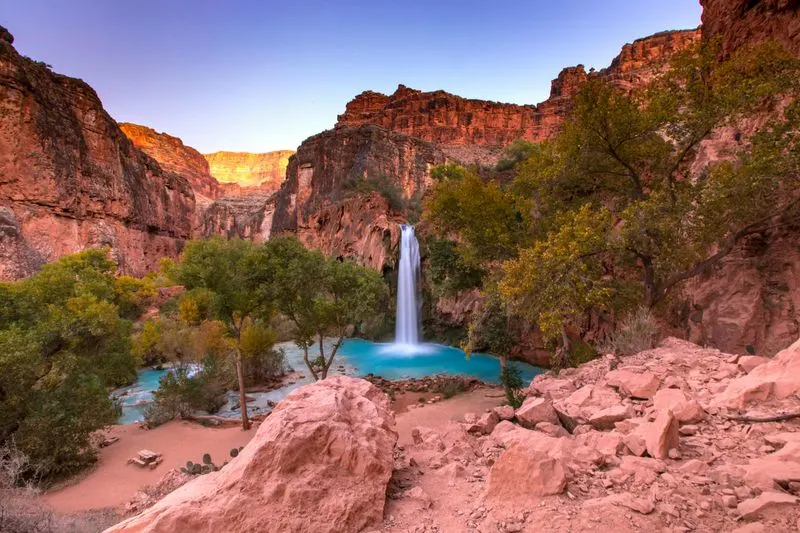
Nestled deep within sandstone canyons, Supai is untouched by roads and modern rush. Visitors reach it by hiking miles, riding mules, or flying in helicopters when weather permits. Mail still journeys by pack animals, blending old traditions with practicality. Thunderous waterfalls and canyon shadows mark the rhythm of days. The Havasupai carefully control access to protect their land, so every step is mindful. Supplies arrive in carefully accounted bundles. Nights are filled with stars and silence, and leaving demands the same patience as arriving-one switchback, one breath at a time.
8. La Rinconada, Peru - Life Above the Clouds
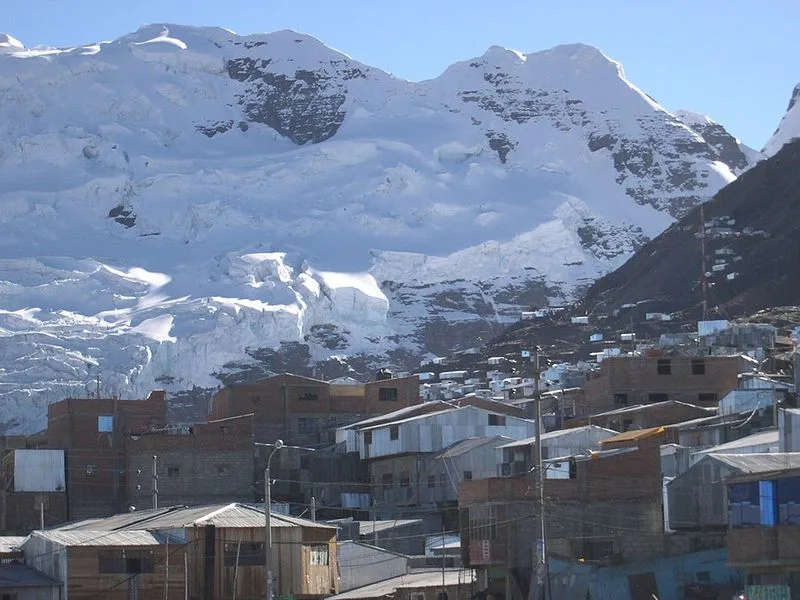
At more than 5,000 meters elevation, daily life in La Rinconada is a constant battle for breath. The steep streets weave between small gold mining operations and clustered housing where the mountain allows. Roads are rough, oxygen thin, and life is dictated by underground work shifts. Residents hustle with thermoses and headlamps, exchanging warmth and gossip amid minimal infrastructure but strong community ties. The altitude governs everything-pace, rest, appetite. Visitors feel the height immediately, while locals plan every move carefully. On clear days, ice sparkles like a fleeting promise before the relentless work resumes.
9. Motuo County, Tibet’s Hidden Valley
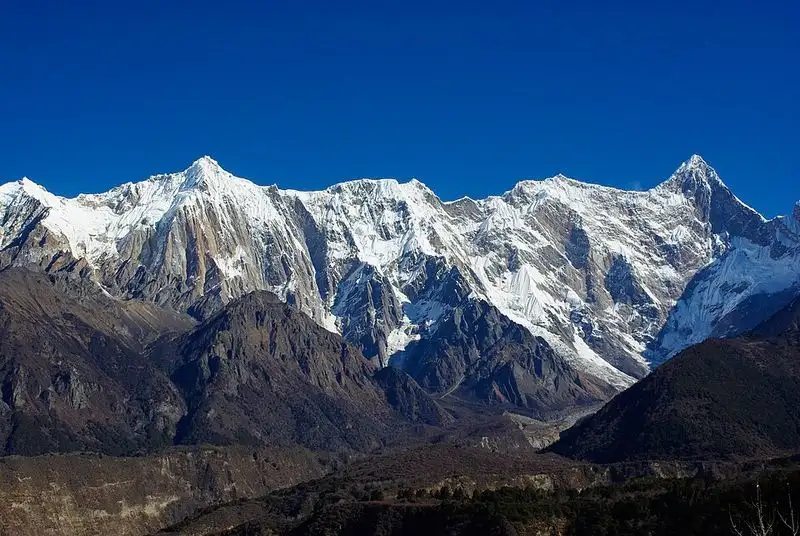
For decades, Motuo remained a blank spot on maps, accessible only by foot or river. Now, a road and seasonal flights provide some connection, yet the mountains still challenge every trip. Landslides, heavy monsoons, and winding switchbacks make travel unpredictable. Villagers cling to lush slopes growing tea and fruit; markets awaken briefly when trucks arrive, fading back into quiet when they don’t. Ancient trails still guide journeys. People interpret cloud patterns like messages, adjusting their routes around the gorge. This late connection influences every part of life and daily routine.
10. Utqiaġvik, Alaska - America’s Northernmost City
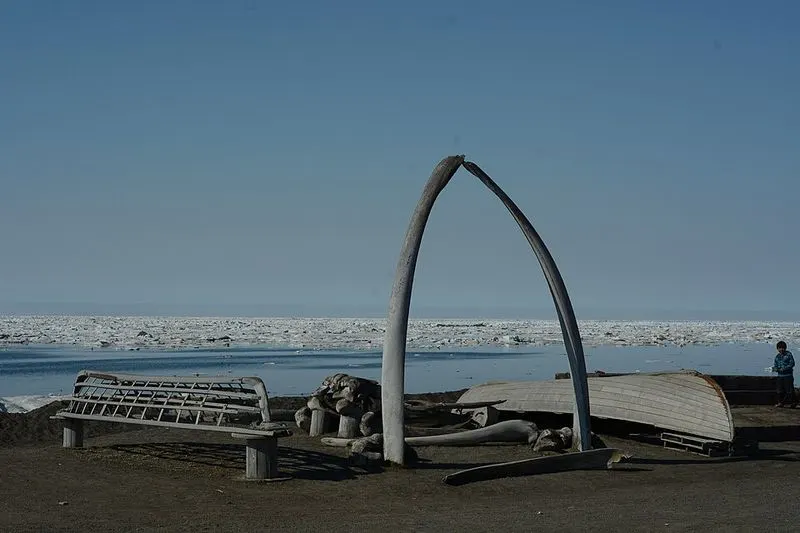
Utqiaġvik, formerly Barrow, sits at America’s northern tip, a place of extreme cold and endless polar night. Despite long winters cloaked in darkness, the Inuit community has thrived here for millennia. Rich traditions like whale hunting and intricate crafts form the cultural backbone. While modern amenities have arrived, the connection to nature remains strong and timeless. The town’s close-knit residents rely heavily on one another to endure harsh conditions. A fascinating fact: during winter, Utqiaġvik experiences 24-hour darkness, making it one of Earth’s rare polar night locations.
11. Ny-Ålesund and Arctic Science Settlements on Svalbard
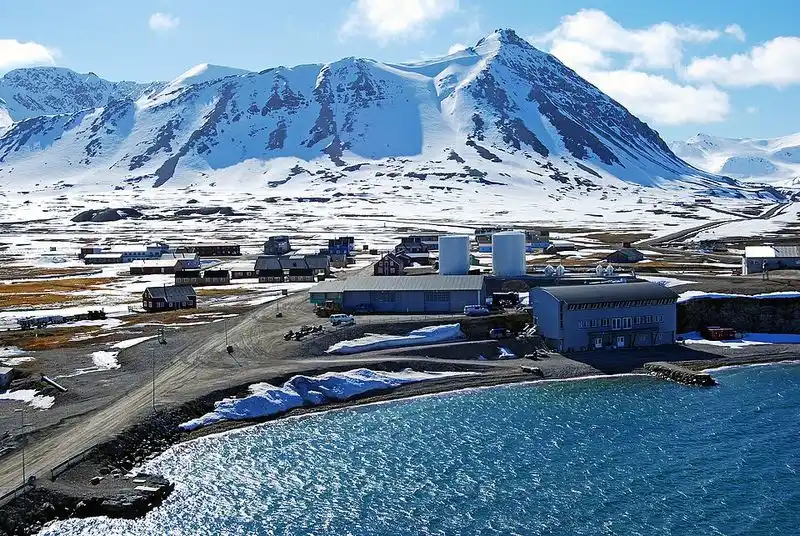
Ny-Ålesund operates on strict schedules dictated by ice and permits, serving as a tiny international research hub. Access is limited, and polar bear warnings are part of daily routines alongside mandatory radios. When planes arrive, the community adjusts quickly, and shipping depends on sea ice conditions. Safety briefings and scientific calibrations share the calendar. The population is small but global, streets remain quiet, generators hum steadily, and the midnight sun bends perceptions of time. Work and survival go hand-in-hand in this remote Arctic outpost.
12. Adamstown on Pitcairn Islands - Tiny Community at Sea
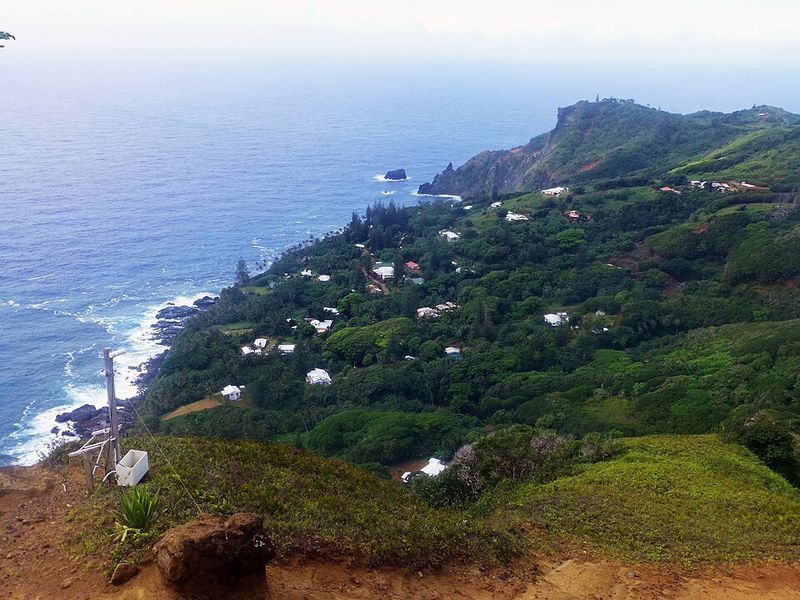
Adamstown’s small population means you quickly know every voice along the paths. Passenger boat service is rare, and the sea journey takes several days, so everyone plans around the next sail. A few dozen residents maintain traditions, repair boats, and share tools. The horizon acts as both gateway and boundary. Supplies arrive in crates that become treasured resources lasting months. History is alive in stories and place names shared around communal tables. When a ship docks, life surges with activity, then recedes into calm as the ocean’s rhythm resumes.
13. Remote Himalayan Villages in Bhutan’s Lunana Region
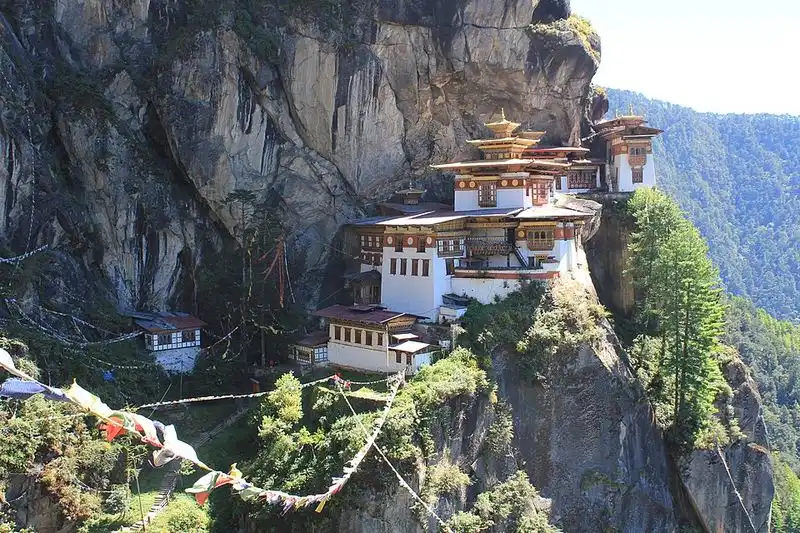
Some villages in Bhutan’s Lunana region remain far from roads, reached only after days on foot. Helicopter visits are rare and depend on good weather. Supplies travel on yak backs, making sturdy boots more important than a timetable. Herding and farming dictate the yearly rhythm, with monsoon rains and snowfall reshaping access each season. Visitors are uncommon, tea is strong, and stories warm cold evenings. Finally arriving at a village feels like fulfilling a promise. Trips here are planned like pilgrimages, with each step valued, bringing back spices, salt, and news.
14. Tristan da Cunha - Life on the World’s Most Isolated Island
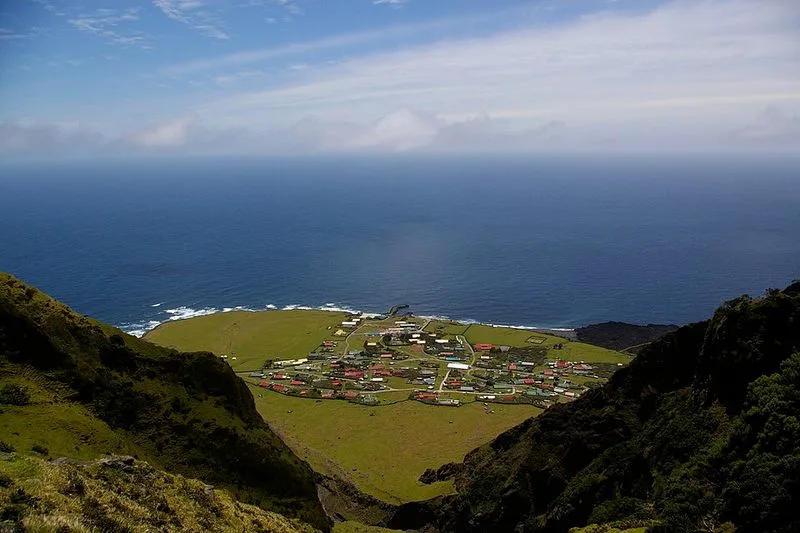
On Tristan da Cunha, the ocean holds all the cards. The island’s main settlement, Edinburgh of the Seven Seas, has no airport, so supply and visitor arrivals rely entirely on boats from South Africa. Time stretches while waiting for ships, which deliver everything from mail to essential goods. Fishing, small-scale farming, and watching the horizon form a daily ritual. Workshops buzz when the supply ship is near, then quiet down after it leaves. Schools, clinics, and community halls keep life steady, but a sense of isolation is constant. When storms roll in, everyone simply waits together.
This article was written by Hunter and edited with AI assistance. The Daily Dive travel desk uses AI-assisted visuals and content that were reviewed and approved by our editors prior to publication.