

Croatia’s Dalmatian Coast has long drawn travelers for its azure waters and iconic cities like Split and Dubrovnik. Today, a new allure emerges inland: the Dalmatian Hinterland. This rugged, alpine-streaked area offers a fresh experience just beyond the coast’s maritime bustle.
In 2025, tourism trends highlight renewed interest here. Zadar reported a tourism surge in November, bucking off-season slowdown patterns typical of the region. This reflects rising curiosity in the hinterland’s blend of history, wine culture, and nature escapes near Split and Šibenik.
The Dalmatian Hinterland stretches from about 50 kilometers near Zadar down to a narrow strip south of Šibenik. It feels worlds away from the coast, with mountain views, quiet villages, and dense forests. The area has gained recognition for boutique wineries growing unique native grapes like Plavac Mali, ancient settlements preserved with medieval charm, and eco-adventure routes through the Dinaric Alps. This makes it a growing hotspot for travelers seeking authentic, diverse experiences.
When to Visit
The best time to visit the Dalmatian Hinterland combines good weather and fewer tourists. Late spring through early autumn offers warm, sunny days perfect for hiking and wine touring. The region benefits from over 2,600 hours of annual sunlight, contributing to its excellent wine production. Summers are warm but less crowded than coastal hubs.
Autumn is ideal for wine lovers attending harvest events. Many local wineries host tastings and festivals in September and October. November tourism growth in Zadar signals mild conditions then, even as coastal cities see a drop in visitors. Winters get cold in the mountains, limiting outdoor activities but enhancing the quiet charm of the villages.
Key events include the Šibenik Medieval Fair in late August and Split’s Vinodol Wine Festival every September. These cultural gatherings celebrate the region’s heritage and grape-growing traditions. Scheduling visits to coincide with these offers a more immersive experience.
Where to Stay
Accommodation options in the Dalmatian Hinterland range from boutique guesthouses to renovated historic inns. Towns like Drniš, Trilj, and Knin provide charming bases with authentic Croatian atmosphere. Drniš, about 40 kilometers from Split, draws visitors for its wine tours and traditional architecture.
For a luxury stay, boutique hotels in Šibenik provide proximity to both coast and hinterland. Hotel Pelegrini combines historic ambiance and modern comfort amid Šibenik’s UNESCO-protected old town. Near Split, smaller eco-lodges, such as Eko Rural House in the village of Vranjače, appeal to nature lovers wanting peace and sustainable tourism.
Farm stays and winery accommodations are increasingly popular. For instance, Vinica Wines estate near Skradin welcomes guests to stay in converted stone houses surrounded by vineyards. Booking ahead is advised during festival seasons and summer months.
What to Do
The Dalmatian Hinterland offers diverse activities tied to its landscape and culture. Wine tourism stands out. The region’s sunny hillsides nurture native grapes such as Plavac Mali and Dobričić. Guided tours at wineries like Putalj near Split feature tasting sessions and vineyard walks. Visitors learn how Croatia’s position forged unique varietals that contributed genetically to global grape strains.
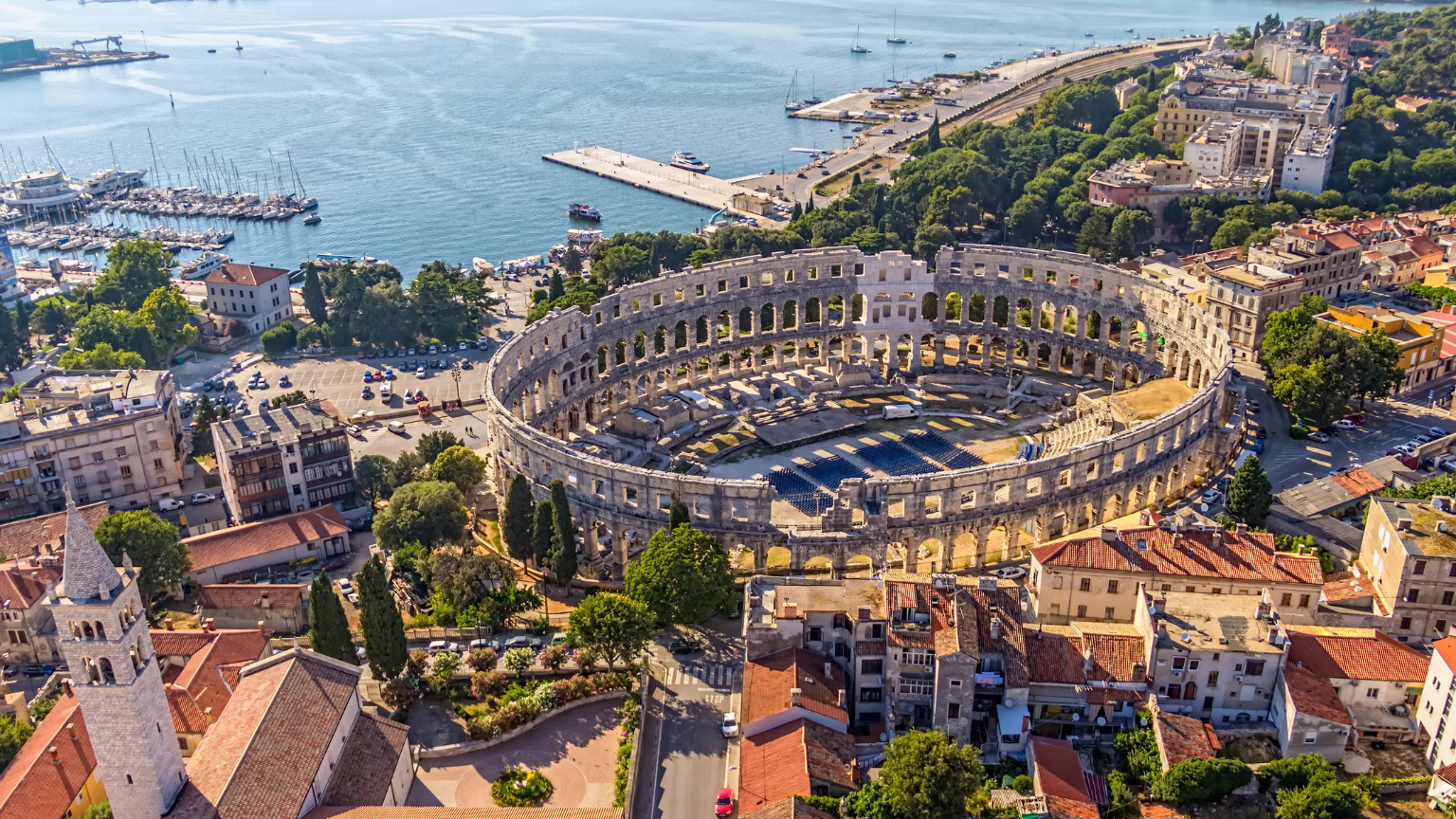
Historical village tours highlight medieval forts and churches. The stone village of Otok and the mountain stronghold of Klis Fortress reveal Dalmatia’s layered past. Klis Fortress, perched above Split, played roles in defense against Ottoman expansion and now offers panoramic views of the Adriatic coast. Nearby, the Roman ruins that pepper the coastline provide contrast to the hinterland’s preserved medieval sites.
Outdoor adventures cater to all skill levels. The Dinaric Alps present hiking trails through dense forests and karst formations. Eco-adventure companies organize guided treks, cycling tours, and even canyoning expeditions near the Cetina River gorge. This scenic canyon, close to Omiš, is Croatia’s premier spot for rafting and rock climbing.
Where to Eat
Dalmatian Hinterland cuisine emphasizes fresh, local ingredients complemented by regional wines. Traditional Croatian dishes like pašticada (slow-cooked beef stew) and grilled lamb shine here. Šibenik’s restaurants blend coastal seafood with inland flavors, sourcing herbs and produce from hinterland farms.
Restaurants such as Pelegrini in Šibenik have earned Michelin stars for reinventing Dalmatian classics. Another favorite, Konoba Kolona in Drniš, offers homemade Dalmatian fare in a convivial setting. For wine-paired meals, Vinica Wines estate provides dinners showcasing local produce alongside their vintages.
Markets in smaller towns like Trilj are perfect for sampling cheeses, olives, and cured meats. Eating at local konobas (taverns) gives a homegrown feel, often accompanied by live klapa singing—a traditional Dalmatian a cappella style.
Getting Around
Access to the Dalmatian Hinterland relies mainly on road transport. Split Airport is the primary entry point for international travelers, about 30-50 kilometers from key hinterland towns. Car rentals offer flexibility to explore the region’s dispersed sites.
Public buses connect cities like Split, Šibenik, and Zadar with inland towns but run on limited schedules, especially outside summer. Taxi services exist yet tend to be costly for extended touring. For travelers focusing on wine routes and hiking, organized day trips from coastal cities can provide guided, hassle-free access.
Travelers should budget at least two to three days to explore the hinterland comfortably. Roads are mountainous and winding, requiring careful driving. Planning routes ahead ensures visits to both popular historical sites and quieter villages.
The region’s eco-adventures often include transport from base towns. Booking tours through local operators in Split or Šibenik guarantees reliable pickup and drop-off. This approach suits those prioritizing sustainability and local expertise over self-driving.
In sum, Croatia’s Dalmatian Hinterland presents a redefined coastal experience. Boutique wineries, preserved medieval villages, and natural playgrounds create an inviting, less-trodden destination. In 2025, as Zadar’s tourism growth shows, this area is poised to become a must-visit for travelers seeking more than just the Adriatic shore.
This article was written by Will and edited with AI assistance.