

You can still have a world class heritage experience without elbowing through a crowd. These UNESCO places reward travelers who like quiet pathways, open skies, and time to linger over stonework or landscapes. Most sit outside major tour loops, which means the ticket windows are calm and the staff will often share stories if you ask. Expect villages where church bells set the rhythm, parks where you hear birds before buses, and museums that feel personal. Come with sturdy shoes, a flexible plan, and a habit of walking one street past the obvious. The less you rush, the more these sites open up.
Romanesque Churches of the Vall de Boí, Spain

High in the Catalan Pyrenees, nine early Romanesque churches sit in small villages like Taüll, Boí, and Erill la Vall. Their bell towers rise above stone roofs and glaciers on the horizon, and the interiors glow with fresco copies while the originals rest in museums nearby. You can step between churches on easy lanes and short trails, often with no one else around. The star is Sant Climent de Taüll, where a light show recreates the apse painting and explains each layer of history. Summer brings wildflowers and crisp evenings, while autumn gives empty pews and golden larch. Stay in a family run inn and you can stroll from dinner to a floodlit tower in five minutes.
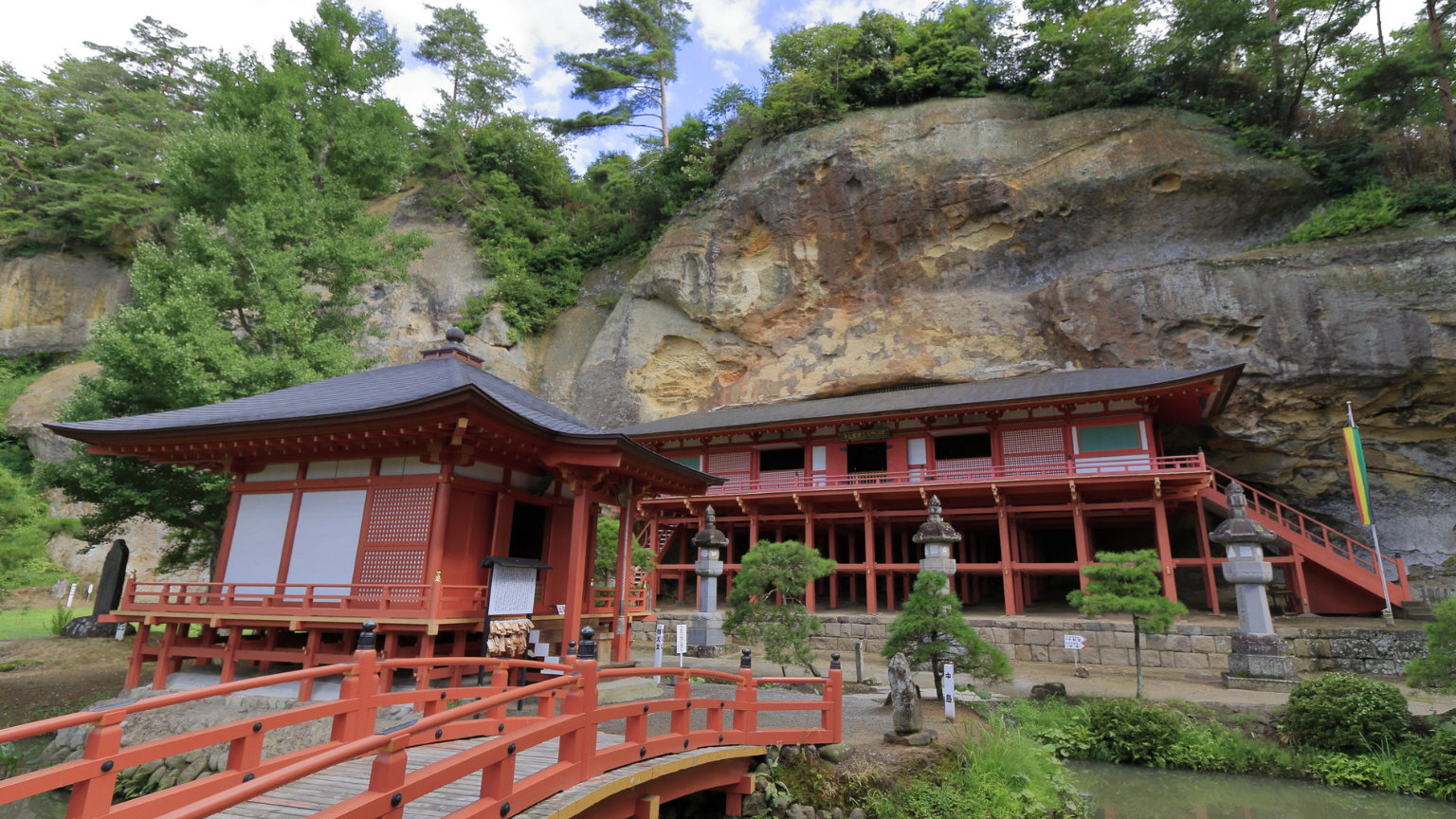
Hiraizumi Temples and Gardens, Japan

Hiraizumi in Iwate Prefecture preserves Pure Land Buddhist gardens that mirror an idealized paradise. Chūson ji’s Konjikidō is a small hall covered in gold that sits quietly in cedar shade. Mōtsū ji offers a broad pond with islands and shoreline curves designed for reflection rather than spectacle. Paths are soft underfoot, and the soundscape is wind in bamboo and a distant bell. Visit on a weekday morning and you will share the grounds with gardeners and a few locals. The nearby station makes it an easy day trip, yet it rarely feels busy.
Archaeological Site of Ani, Turkey

The medieval city of Ani stands on a windswept plateau near the Armenian border, where churches and walls rise from grass like open air sculpture. You can walk along the city walls, step into a cathedral shell that frames the sky, and peer into gorge side chapels carved into stone. The scale feels grand and the silence is complete. Spring wildflowers line the paths and fall light turns the stone warm and soft. Information boards are clear and there is space to sit and sketch or simply stare. Bring water and a hat since shade is rare and the views are wide.
Sceilg Mhichíl Skellig Michael, Ireland

A short boat ride from County Kerry delivers you to a steep rock island shaped by monks and seabirds. Stone beehive cells sit above the Atlantic and dry stone stairs climb straight up the ridge. Landings are limited by weather and permits, which keeps the number of visitors small. Puffins nest in season and circle your feet like little comedians. The climb is exposed and unforgettable, and there are rangers to guide the flow without rushing you. Choose a calm morning window and you will feel like you have stepped into another century.
Ancient Ksour of Ouadane, Chinguetti, Tichitt, and Oualata, Mauritania

These desert towns were once anchors of trans Saharan trade, and they remain time capsules of stone lanes and wooden doors. In Chinguetti, sand presses against walls and a square tower marks one of the oldest mosques in the region. Libraries hold handwritten manuscripts on astronomy and law, and caretakers will often show a favorite page. Sunsets wash the plateau in orange while the streets fall nearly silent. Travel here rewards patience and local guides, and the absence of crowds is complete. A night under the stars outside town will make every step feel worthwhile.
Jesuit Missions of the Chiquitos, Bolivia

In the forests of eastern Bolivia, mission towns like San Javier, Concepción, and San Ignacio de Velasco preserve wooden churches with painted columns and carved altars. Music is part of the heritage, and rehearsals drift from doorways as orchestras prepare for festivals. You can walk the plazas at dusk, listen to birds settle in the trees, and step into sanctuaries scented with wax and wood. The small museums are friendly and the docents have time to answer every question. Buses link the towns but most visitors only see one or two in a day, which keeps each square calm. Stay a night and the stars feel close to the bell towers.
Serra da Capivara National Park, Brazil

Far from Brazil’s coasts, Serra da Capivara protects canyons and rock shelters with thousands of ancient paintings. Trails wind through red sandstone to panels that show hunters, dancers, and animals in motion. The visitor centers are well designed and staff can point you to quiet circuits that fit your time. Dry season days are clear and the light at dawn makes the cliffs shine. You will often have entire sites to yourself, with only the buzz of insects and a rustle of lizards. Local lodges offer simple rooms, and guides add context that brings the art to life.
Tsingy de Bemaraha Strict Nature Reserve, Madagascar

Here the landscape turns to a forest of limestone needles with hanging bridges and narrow slots between knife edge ridges. The trails are adventurous but well marked, with ladders and cables where needed. Look for sifaka lemurs leaping across gray spires and birds perched like notes on a staff. The viewpoints open to rivers and green savanna fringes, and you can go an hour without seeing another group. Dry season access is best when roads are passable and the stone is not slick. A night or two in rustic bungalows lets you catch both sunrise and late afternoon shadows across the tsingy.
Rock Art of Alta, Norway

Above the Arctic Circle, panels carved into bedrock show reindeer hunts, boats, and everyday life from thousands of years ago. The outdoor museum path loops along the fjord over wooden walkways, and the breeze carries the salt smell of the sea. Summer has midnight sun light that lets you take your time without a closing bell in your head. The visitor center is small and well curated, and the staff are happy to discuss theories if you are curious. Few coaches stop here, which means long quiet stretches between groups. Bring a wind layer and linger on the benches that face the water.
Vlkolínec, Slovakia

Vlkolínec is a complete wooden village in the Carpathians where barns, wells, and houses line a grassy lane. The colors are soft pastels and natural wood, and the rhythm is measured by roosters and church bells. You can step into a small museum house, peek at tools, and understand how mountain life worked without gloss. The hill behind the village offers a short walk to a viewpoint with rolling forests. Weekdays are especially calm and the air smells like hay and pine. It feels less like a site and more like a living postcard that never asked to be famous.
Bahla Fort, Oman

Bahla’s massive mud brick walls curve around towers that rise from a palm filled oasis at the edge of the desert. Restored passages link courtyards and rooms that catch wind and light in intelligent ways. You can climb to parapets, look across date groves, and trace the defensive lines with no pressure to move on. The small town outside the gate sells pottery made in nearby kilns, which adds a hands on note to the visit. Late afternoon brings golden light against warm earth, and the crowds are minimal even on weekends. The fort invites slow exploration rather than a checklist march.
Tsodilo Hills, Botswana

Four hills rise from the Kalahari and hold rock paintings layered over thousands of years of storytelling. Footpaths lead to panels in shallow caves, and guides from the local community share legends as you go. The silence here feels thick and the sky is a deep blue vault over pale rock. Sunrise and sunset paint the cliffs in pink and copper and the air cools just enough for long walks. You will likely meet more lizards than people on most days. Camping nearby makes it easy to return for a second loop when the light changes.
This article was written by Hunter and edited with AI Assistance