
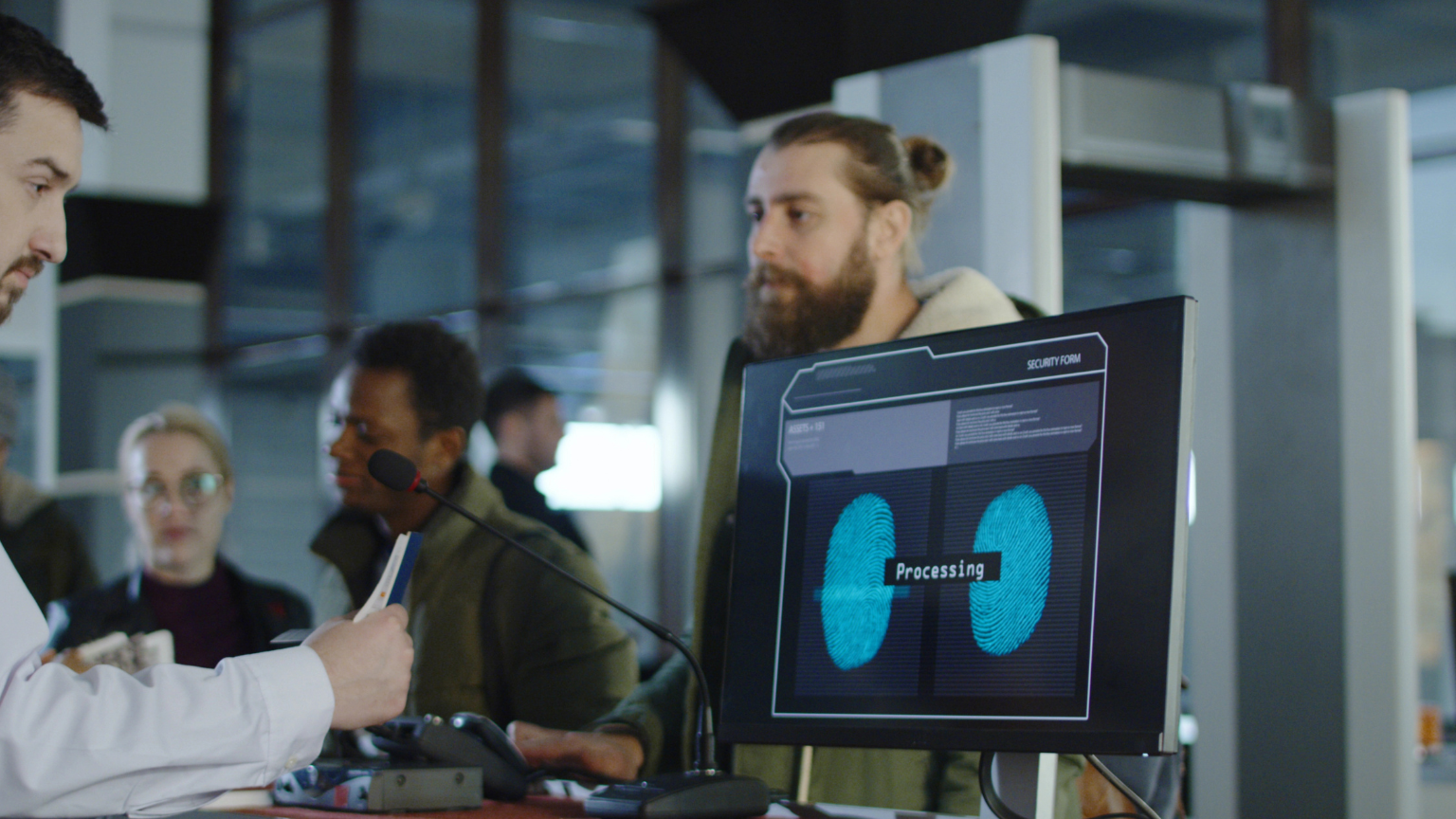

Planning a trip to Europe in 2025 now comes with a new wildcard at the border. The European Union is switching on its Entry Exit System, often called EES, a high tech border control program that replaces old school passport stamps with fingerprints, facial scans, and an automated travel record. On paper, it is designed to tighten security, reduce overstays, and make border checks more accurate. In reality, at least in these early months, it also means longer lines, new machines to figure out, and a very different feel at immigration for non European visitors.
If Europe is on your calendar for this year, it helps to understand what is changing, who is affected, and how to plan around the biggest bottlenecks. Here is what the new rules really mean for your time in line, your passport, and your stress level on travel day.
What Is the EU’s New Entry Exit System?
The Entry Exit System is a new electronic database used at the external borders of the Schengen area. Instead of relying on a border officer to stamp your passport and skim through your travel history, EES records your details automatically every time you cross the border. That includes your name, passport information, a facial image, fingerprints, and the date and place where you enter or leave.
The system focuses on non EU travelers who visit for a short stay. When you arrive, your visit is logged in the database. When you leave, it is logged again. Together, those entries show how long you stayed and whether you respected the rules. The most important one for most tourists is the common “90 days in any 180 day period” limit inside the Schengen zone. Instead of counting stamps in your passport, border agents can now check your record on screen.
The long term goal is a border process that is more consistent, less prone to human error, and better at spotting overstays and identity fraud. The tradeoff is that the first time you register in EES, you should expect a more involved process than a quick stamp and wave through.
Who Has To Use EES And Where It Applies
EES applies to most non EU and non Schengen nationals who are entering the Schengen area for a short stay. That includes travelers from the United States, Canada, the United Kingdom, Australia, and many other countries that currently enjoy visa free access, along with people visiting on short term visas.
If you are an EU citizen or you hold an EU residence permit, you are not processed in the same way and are generally outside the scope of EES. The focus is on third country nationals who are subject to the 90 day rule.
You will meet EES at external Schengen borders. That means airports where you first land in the Schengen area, seaports that handle international ferry traffic, and certain land crossings from neighboring non Schengen countries. Think of places like Paris, Amsterdam, Frankfurt, Madrid, Rome, and Lisbon when flying in, along with ports and train terminals that handle traffic from the United Kingdom and other nearby countries. Not every border point flips over at the same time, but more and more are coming online throughout 2025 and into 2026.
What The Airport Experience Looks Like Now
From the moment you land, most of your airport routine will feel familiar. You get off the plane, follow the signs for “Non EU passports” or “All other passports,” and line up for border control. The shift happens when you reach the front of the queue.
If this is your first time entering the Schengen area after EES goes live, you will be asked to register. At some airports, that means going to a self service kiosk that looks a bit like an oversized ATM. At others, you may be sent straight to a manned booth where an officer handles the process on a tablet or desktop system.
At a kiosk, you will usually:
- Scan your passport
- Look into a camera for a facial image
- Place your fingers on a scanner to collect fingerprints
- Answer a few basic questions about your trip
Once that is done, a border officer still reviews your information and makes the final decision to admit you. On future trips, some steps should be quicker because your biometrics and travel history are already stored. You will still have your passport checked and your entry logged, but the full fingerprint and photo enrollment might not be repeated every single time.
Why Lines Feel Longer During The Rollout
Any major change at the border takes time to settle in. EES adds extra steps for travelers and for border agents, especially in the early months when the majority of visitors are enrolling for the first time. That naturally slows things down.
There are a few reasons lines can feel longer right now:
- First time registration takes more time than a simple stamp
- Machines and kiosks are still new, and glitches do happen
- Staff are adjusting to new routines and troubleshooting on the fly
- Airports are figuring out how to route people into the right lanes
If a kiosk freezes or a scanner refuses to read a fingerprint, officers often have to step in and complete the process manually. That adds several minutes per person, and those minutes add up on a busy morning when multiple long haul flights land back to back. Reports from some early adopter airports have already described queues stretching beyond an hour during peak times.
This is why 2025 is not the year to bet on lightning fast border checks if you are landing in a major hub. Leave yourself extra time for immigration, especially if you have an onward connection or you are arriving during the busy summer season.
Are Passport Stamps Really Disappearing?
For a lot of travelers, the most emotional change is the quiet disappearance of passport stamps. Under EES, your entry and exit are recorded digitally, so a stamp is no longer necessary to prove when you came and went.
In practice, you may still receive a stamp at some borders, especially while systems are still being fine tuned or when officers lean on manual backups during a rush. Over time, though, the plan is for those ink marks to fade away as the digital record becomes the main source of truth.
That can feel like a loss if you like flipping through your passport and seeing a visual timeline of your travels. On the upside, it also reduces confusion. Faded stamps, missing stamps, and inconsistent markings have caused plenty of headaches for travelers and officers alike. A clean digital log should make it easier to see how many days you have spent in the Schengen area and how many you have left.
If you still want something tangible, this might be the year to start your own “arrival log,” whether that is a note in your phone, a dedicated page in your travel journal, or a folder of boarding passes that you save as souvenirs.
Biometrics, Privacy, And What Happens To Your Data
Any system that collects fingerprints and facial images will naturally raise privacy questions. EES stores biometric and biographic data for non EU short stay travelers for a set number of years. That data can be accessed by border guards and certain law enforcement agencies under specific rules and oversight.
The system is supposed to follow strict European data protection standards, similar to the rules that already govern how companies and governments handle personal information in the EU. That includes limits on who can see your data, what it can be used for, and how long it can be stored.
For the average traveler, the important point is simple. Enrolling in EES is not optional if you want to enter the Schengen area. If you refuse to provide fingerprints or a facial image, border officials cannot complete the mandatory checks, and you can be denied entry. Your EES record is not part of a social media profile or a travel marketing database. It sits in a closed system that is used to verify your identity, track stays, and check for security flags.
How To Plan Your 2025 Trip Around EES
The changes at the border do not mean you should cancel your European vacation. They do mean you should plan a little more carefully. A few smart moves can reduce your stress and help you avoid the worst queues.
First, build extra time into your itinerary. At your first point of entry into the Schengen area, assume that immigration could take significantly longer than you are used to. If you are booking a connection, consider choosing a longer layover window, especially at busy hubs. For arrivals around summer weekends, school holidays, or major events, giving yourself an extra hour of buffer at the border is a wise move.
Second, pay attention to pre travel information from your airline, airport, or national border authorities. Some countries and carriers are rolling out online tools or mobile apps that let you complete part of the process early or at least explain exactly what to expect. Even where pre registration is not available, you can still prepare by having key details ready, such as your first hotel address, your return date, and proof of onward travel.
Third, think strategically about your gateway. If you have the choice between several entry airports, a smaller or less popular hub may offer shorter lines than a mega airport where long queues are already the norm. That is not guaranteed, but it is worth considering when fares are similar.
Finally, talk through the process with anyone you are traveling with, especially kids or older relatives. Let them know that a camera will scan their face and a machine will ask for fingerprints. The more comfortable and ready you all are, the faster you will move through your part of the process.
How EES Fits With ETIAS And What Comes Next
EES is only one part of a wider shift in how Europe manages its borders. Another big change is on the horizon in the form of ETIAS, the European Travel Information and Authorization System. ETIAS will be an online travel authorization for visa exempt travelers, similar to the ESTA system used for entering the United States.
Once ETIAS is active, travelers from visa free countries will need to apply online and receive approval before they fly to the Schengen area. That authorization will then be checked alongside EES records when you arrive. The rollout of ETIAS has been delayed several times, and current plans place it after the full implementation of EES. For trips in 2025, your main concern is the new entry and exit procedures at the border, not an extra pre trip application yet.
Looking ahead to late 2025 and 2026, you can expect more border points to be fully integrated into EES and more travelers to already be in the system. That should gradually reduce the worst of the early queues. First time registration will still take longer than a simple stamp, but subsequent visits are designed to move faster.
Final Thoughts For 2025 Europe Planners
Planning Europe in 2025 now means planning for biometrics and new lines at the border, not just browsing cheap flights and cute hotels. The Entry Exit System is a major change for non EU travelers, especially if you are used to breezing through passport control or collecting stamps as souvenirs.
In the short term, you should expect more friction at the border, particularly on your first trip after EES goes live. That might mean a longer wait, more instructions from officers, and a few technical hiccups as airports and passengers adjust. In the longer term, the system is meant to create a more accurate and predictable way to track entries and exits, which can help you avoid overstaying and reduce confusion.
If you build in extra time, stay informed, and walk into the process knowing what to expect, you will already be ahead of many travelers who assume nothing has changed. Europe is still very much open and welcoming in 2025. You just need to be ready for a new era of fingerprints, face scans, and digital records that begins the moment you step up to the border booth.
Follow us on MSN for all your travel and lifestyle tips.
This article was written by Hunter and edited with AI Assistance