
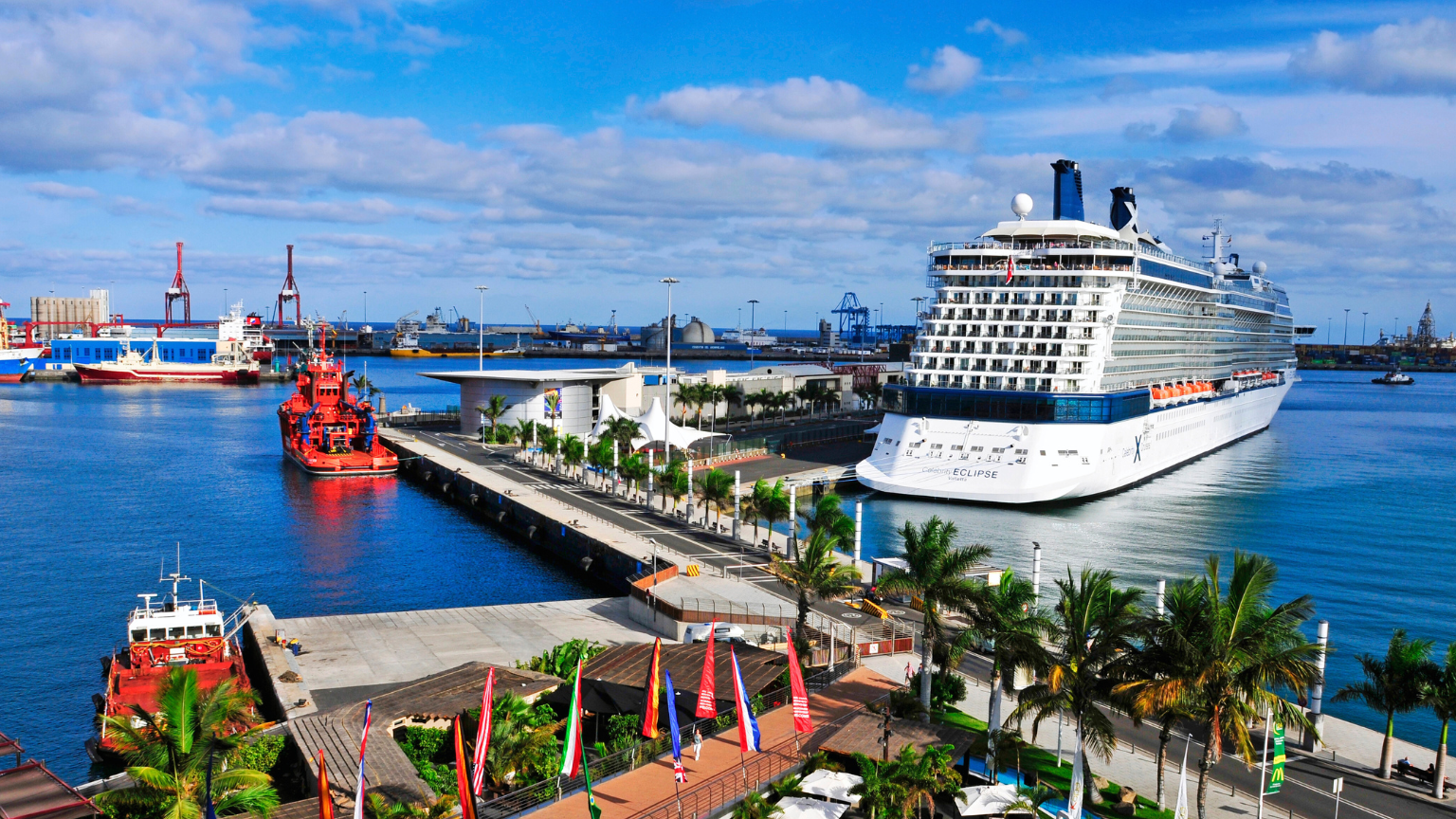

Europe’s most visited coastlines are pushing back on runaway tourism, and cruise ships are squarely in the spotlight. Cities along the Mediterranean and in the North Atlantic are introducing passenger caps, berth reductions, and new fees to protect local life and the environment. These moves arrive just as cruising enjoys a global boom, creating a real test for how destinations can welcome visitors without overwhelming them. Below is a clear look at what changes are coming, why they are happening, and what they could mean for travelers and local communities in 2026.
Cruising Is Booming, Which Raises the Stakes
The cruise sector is growing fast and appealing to a wider audience than ever. It accounts for a small share of international travel overall, yet it is adding passengers at a rapid clip. In 2024, ocean cruising drew tens of millions of travelers, with a sharp year over year jump that signaled strong demand. Cruise lines now market everything from adventure sailings to family friendly resort style trips, which keeps ships full across seasons. Industry advocates also point to strong safety records and predictable pricing as drivers of growth. That momentum is exactly why coastal cities feel pressure to act before visitor surges reshape daily life on shore.
Spain’s Front Line: Barcelona Cuts Cruise Berths
Spain often serves as Europe’s test case for managing heavy tourism, and Barcelona sits at the center of the debate. Record visitor numbers have strained services and stirred local protests, especially in waterfront neighborhoods. In response, city leaders plan to reduce the number of cruise berths at the main terminals in 2026, trimming capacity to make ship calls more manageable. Spain welcomed nearly 13 million cruise passengers in 2024, and Barcelona alone handled close to four million of them. That growth included a double digit increase in cruise disembarkations since 2018, adding urgency to the plan. Officials frame the move as a shift toward a more controlled and sustainable cruise model rather than a rejection of cruising altogether.
France Tightens the Screws: Cannes Caps Ships, Nice Tests Limits
Along the French Riviera, Cannes has adopted some of the strictest measures to date. Starting January 1, 2026, the port will accept only ships carrying fewer than 1,000 passengers, paired with a daily cap of 6,000 cruise visitors. Larger vessels will need to anchor offshore and tender passengers in smaller numbers, a practice already common in some island ports. City leaders say the goal is not to shut out cruise tourism but to scale it to fit local streets, services, and air quality goals. Nearby Nice moved earlier to bar ships with more than 900 passengers from entering its harbor in 2025, citing similar pressures. A court ruling has since paused that plan, arguing that such restrictions require regional or national authority, and the legal fight is expected to continue into 2026.
Iceland Adds a Per Night Fee to Slow the Flow
Far from the Mediterranean, Iceland is also recalibrating cruise traffic. New rules add a per person, per night charge for cruise visitors, which increases operating costs for lines and nudges itineraries toward fewer or shorter calls. Some sailings have already been adjusted or cut from schedules. Icelandic officials argue that the fee helps cover real costs tied to infrastructure, security, and environmental management. Cruise lines counter that higher costs may reduce ship visits and the spending that comes with them. The outcome will likely guide how other small but popular ports approach cruise growth.
Why Ports Are Taking Action Now
France and Spain are the two most visited countries in the world and together welcome well over 190 million travelers a year. In Europe as a whole, annual visitor numbers exceed the continent’s population many times over. That sheer scale creates pressure on housing, transit, waste collection, and heritage sites, which feels especially intense when thousands arrive at once from a single ship. France has already taken headline steps beyond the cruise conversation, including limiting certain short haul flights where fast trains exist, piloting minimum pricing proposals to curb ultra cheap fares, expanding youth rail passes, and investing heavily in bike lanes. Even so, local leaders argue that ports need their own targeted tools to manage surges, hence the new caps, berth cuts, and fees.
The Marseille Flashpoint Shows the Tradeoffs
In Marseille, a proposed luxury cruise terminal near the storied Château d’If has become a lightning rod. Supporters see jobs, investment, and a modern gateway for the city. Opponents worry about air quality, shoreline crowding, and the message it sends about who the waterfront is for. Public funding tied to the project adds another layer to the debate. The back and forth in Marseille mirrors conversations across Europe as cities try to weigh economic benefits against social and environmental costs. The core question is whether cruise spending offsets the disruption that large ship calls can bring to compact urban spaces.
What 2026 Could Look Like for Travelers and Locals
If you cruise to Europe in 2026, expect more tender ports, staggered disembarkations, and stricter daily passenger limits. Some itineraries will pivot toward the Caribbean or adjust timing to hit European ports on lower traffic days. On shore, you may notice improved crowd flow, more enforcement around idling and emissions, and clearer wayfinding that channels visitors to less congested areas. Locals should see fewer sudden spikes in foot traffic on peak days, along with more predictable patterns that city services can handle. None of this solves overtourism outright, but it may slow the pace enough to keep popular neighborhoods livable.
Can Europe Balance Growth and Sustainability
The measures rolling out in Spain, France, Iceland, and beyond are part of a broader experiment in managing demand rather than simply chasing it. Cities are not turning their backs on visitors. They are asking cruise lines to scale to the streets, not the other way around. The next year will test how well capacity caps, berth reductions, and visitor fees work in practice. If they deliver cleaner air, calmer sidewalks, and more respectful tourism, other ports will follow. If not, the pressure for tougher rules will only build. Either way, 2026 will be a defining year for how Europe welcomes ships while protecting the places that make these ports worth visiting in the first place.
Follow us on MSN for all your travel and lifestyle tips.
This article was written by Hunter and edited with AI Assistance