

The Bottom Line
New MTA data confirms what New Yorkers felt all season long. June and July produced 138 “major incidents”—delays that tie up 50 or more trains—making this the subway’s worst two-month stretch since 2018, when the agency declared a state of emergency over cascading service failures. If your commute felt like a gamble, it was.
What the Numbers Really Show
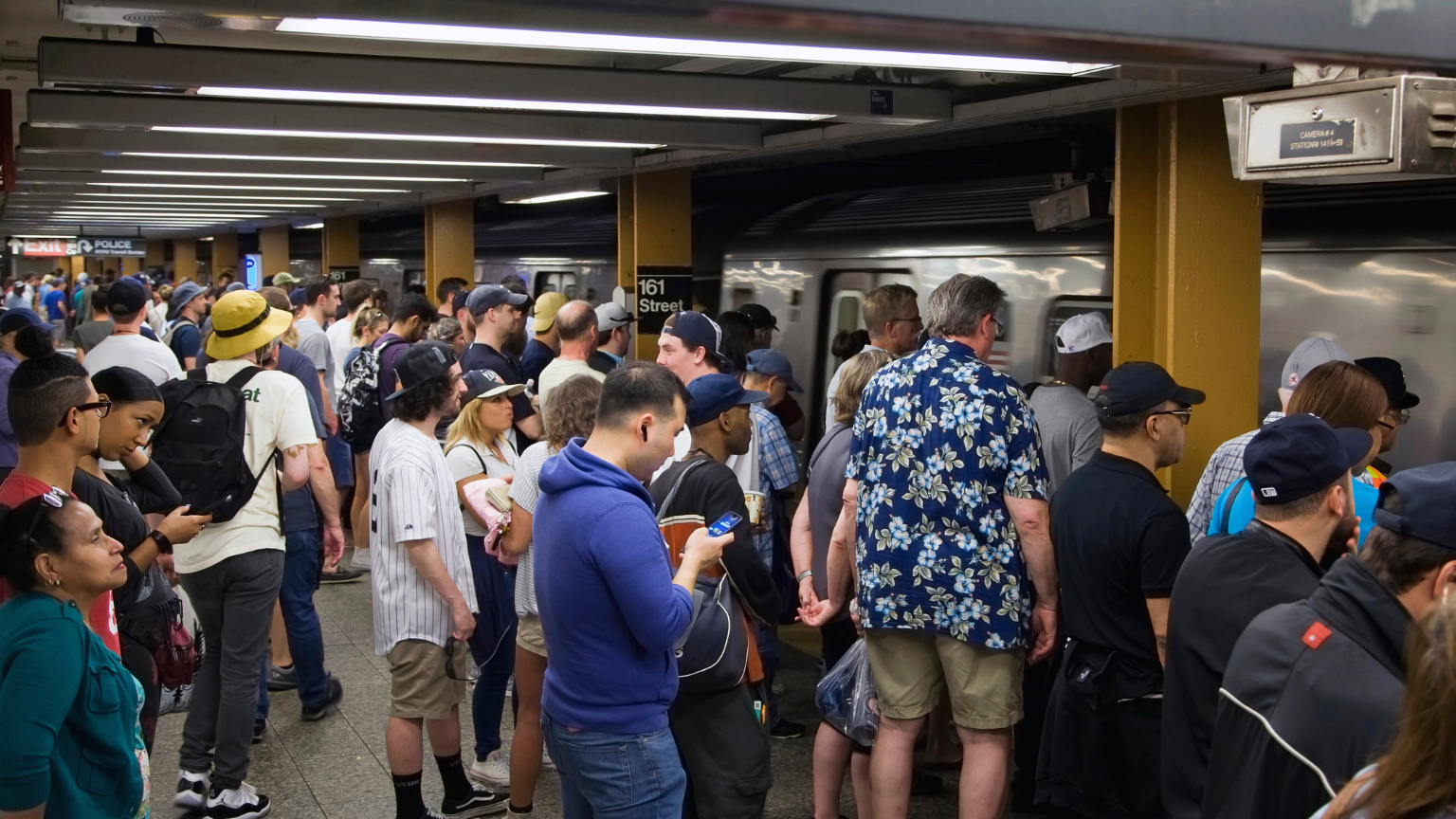
A “major incident” is not a single late train. It is a disruption big enough to ripple across the system and stall dozens of trains at once. The MTA logged 138 of these events in June and July combined, a level not seen in nearly a decade. That spike turned routine slowdowns into daily gridlock and left platforms packed as arrival clocks ticked upward.
What Went Wrong This Summer
The problems started deep in the infrastructure. In July, delays linked to aging electrical and signal systems set new highs. Those are the brain and nervous system of the subway, and when they falter, everything backs up. The upgrades meant to fix the worst pain points are running late—in some cases by nine months to three years. That slow progress collided with a five-month funding standoff earlier this year between state lawmakers and the governor, which squeezed the MTA’s five-year construction plan right when it needed momentum.
A Change in Definitions That Made Spikes Look Bigger
There is also a technical wrinkle. As MTA vice president Bill Amarosa explained, the agency updated its criteria in 2023 for what counts as a “major incident.” With more granular reporting, more disruptions now meet the 50-train threshold, which pushes the tally higher than it might have under the old rules. That context matters—though it does not explain away the reality riders faced during summer cloudbursts, when water poured into stations and trains crawled through flood-prone stretches.
What the MTA Says About Performance
The agency points to steadier outcomes on one key metric. According to MTA spokesperson Joana Flores, on-time performance stayed roughly in line with last summer, even as the headline incident count climbed. By the MTA’s measure, about one in five weekday trains still arrived late—frustrating, but not a total collapse. Flores added that ongoing repairs and major investments planned in the upcoming capital program should ease bottlenecks over time. The goal is straightforward: fewer systemwide meltdowns when the cockpit door to the control center opens, figuratively speaking, and faster recoveries when storms hit.
What Riders Actually Experienced
For commuters, the nuance did not matter much. Trains stacked up outside interlockings. Platforms ran hot and crowded. Riders stared down arrival boards that stalled for minutes, then jumped without warning. On storm days, some lines felt like white-water transit, with ankle-deep water and slow orders that stretched trips well past their usual length. By late summer, patience was thin and tempers flared.
The Price Question
All of this lands as officials debate future fares, including a proposed $3 base fare that could arrive alongside promises of better reliability. Riders are asking the obvious question: Will they see consistent improvements before they are asked to pay more for the same trip.
What to Watch This Fall
- Critical signal and power projects: Timelines slipped; the test now is whether crews can claw back lost months.
- Capital plan funding: A stable pipeline of dollars is the only way to replace equipment that is far past its prime.
- Storm response: Each heavy rain becomes a real-time audit of drainage work and emergency playbooks.
- Transparency on incidents: The 2023 definitions are here to stay; clearer public dashboards can help riders make sense of the numbers they feel on the platform.
If You Are Visiting the City
Build in a little buffer for crosstown dinners and airport runs. Check the MTA app before you leave, aim for earlier trains when you have a time-sensitive plan, and keep an eye on weather that can slow service across multiple lines at once. Most trips still run close to schedule, but margin makes the difference between a smooth evening and a missed reservation.
The Takeaway
This was, by any reasonable measure, a rough summer for anyone relying on the subway to get from point A to point B. The MTA can fairly argue that reporting changes make the spike look sharper on paper. Riders can fairly respond that they felt the delays in their bones. As the air turns crisp and routines reset, the city is left with one pressing question: When will the subway feel dependable again—like a system you can take for granted instead of a bet you place every morning?
Follow us on MSN for all your travel and lifestyle tips.
This article was written by Hunter and edited with AI Assistance