
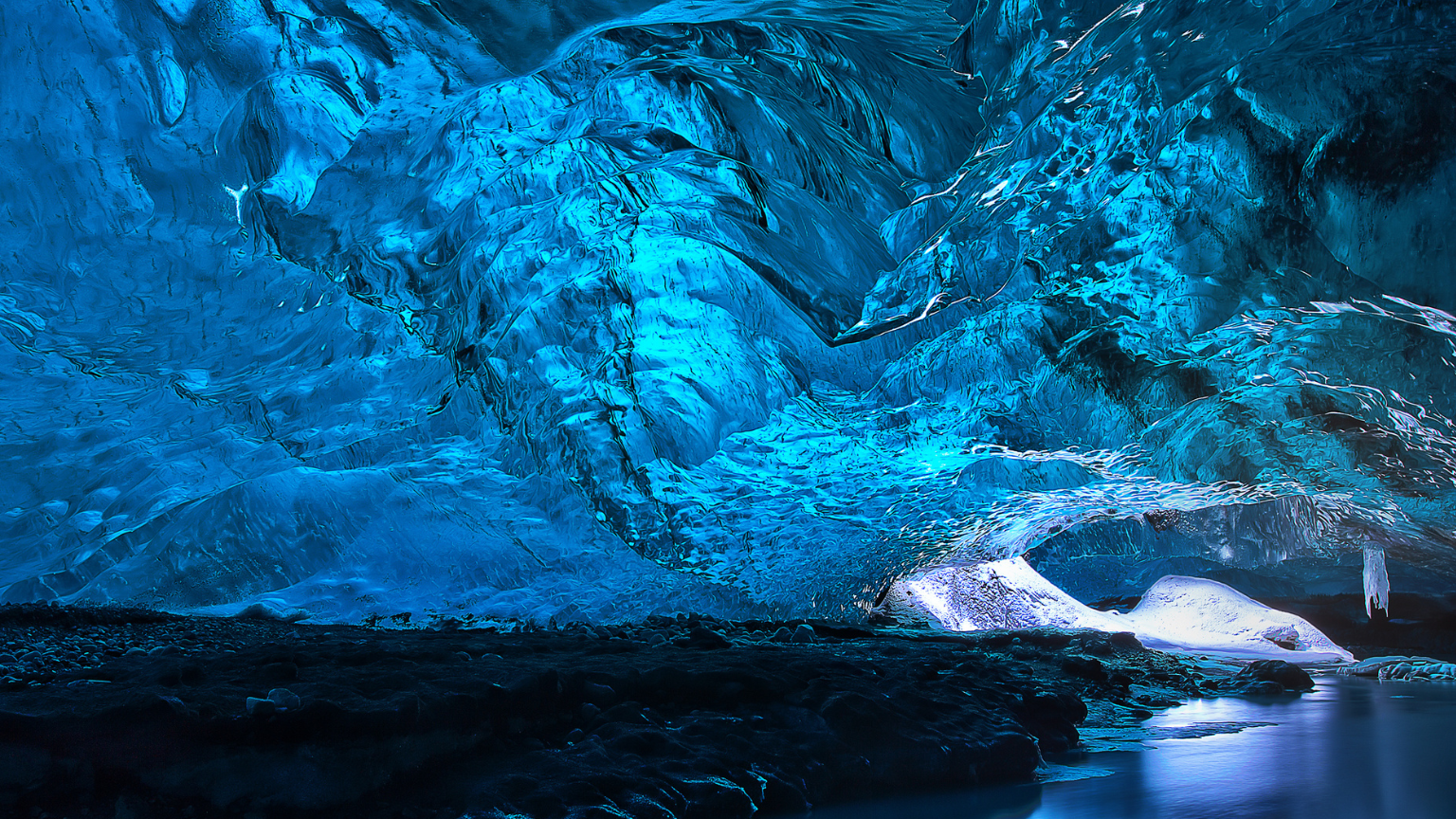

Scientists have uncovered a new volcanic vent beneath Vatnajökull, Europe’s largest glacier. The discovery, made in late 2025 amid ongoing seismic monitoring, reveals previously unknown geothermal activity far below the ice. This finding offers fresh insight into the forces shaping Iceland’s unique landscape and suggests scientists could be witnessing the early stages of a volcanic event unlike any seen in recent history.
Vatnajökull Glacier covers about 8,100 square kilometers in southeast Iceland. It rests atop multiple volcanoes, many of which remain hidden beneath thick ice sheets. In recent years, increased earthquake activity detected beneath the glacier sparked closer scientific scrutiny. Icelandic volcanologists, using a network of seismic stations and satellite data, tracked signals indicating magma movement deep below the surface. Their ongoing analysis confirmed the emergence of a new vent, opening a window into complex volcanic and geothermal processes.
The Discovery
The volcanic vent beneath Vatnajökull was identified thanks to seismic tremors recorded in late 2025. The Icelandic Meteorological Office reported unusual earthquake swarms at depths ranging from 5 to 10 kilometers beneath the glacier's central region. These tremors, not linked to surface activity, alarmed researchers monitoring Iceland’s intense geologic shifts.
Using ground-penetrating radar and satellite thermal imaging, scientists confirmed the vent’s position far below the ice, where temperatures began rising subtly in November. The vent measures roughly 200 meters across and emits geothermal heat, melting a localized portion of the glacier from below. This meltwater contributes to glacial flooding risks but also creates a unique environment to study magma-ice interactions.
The Icelandic University of Science’s geophysics team noted that the vent’s development coincides with an ongoing volcanic phase likely to last decades, predicted from geochemical analyses of recent eruptions elsewhere in Iceland. As glaciers retreat due to warming temperatures, the pressure they once placed on volcanoes diminishes. This allows magma chambers to expand and potentially triggers new volcanic activity.
This newly discovered vent is among the clearest examples of this dynamic. It lies under Vatnajökull’s thick ice mass, where the build-up of subterranean pressure had been trapped for centuries. Now, that pressure is releasing, signaling a shift in Iceland's volcanic behavior and helping scientists understand volcanic responses to glacial melting worldwide.
What Scientists Say
Experts are excited by the vent’s implications. Dr. Halldór Jónsson, a volcanologist at the University of Iceland, explained, “This vent offers a rare glimpse of how volcanic systems react beneath large ice sheets. Our data show that the melting of Vatnajökull is not just a climate issue but also a geological one, with magma activity intensifying due to reduced ice weight.”
Dr. Jónsson added that the discovery supports broader research suggesting Iceland is entering a volcanic era that may last decades or longer. “Magma chambers across the island are growing,” he said. “These changes could bring eruptions that reshape landscapes, affecting ecosystems and human communities.”
Seismologist Margrét Sigurðardóttir emphasized the complex challenges of predicting eruptions in glaciated volcanic zones. “Subglacial vents like this one are hard to monitor directly,” she said. “We rely on a combination of seismic data, satellite observations, and hydrological studies to infer what happens beneath the ice.”
More broadly, the discovery sheds light on volcanic hazards worldwide. Research published in ScienceDaily recently showed that large ice sheets suppress eruptions by holding magma under pressure. As glaciers like Vatnajökull thin, dormant volcanoes may awaken, increasing eruption risks for nearby populations. Iceland’s active Mid-Atlantic Ridge further complicates this dynamic with constant tectonic plate movements.
How to Experience It
For travelers fascinated by geology, Iceland offers a rare chance to witness the power of fire and ice intertwined. While the new vent lies inaccessible beneath heavy ice, nearby natural wonders give a taste of the island’s geothermal activity.
Visitors can explore the Vatnajökull National Park, which spans the glacier and its volcanic zones. Guided glacier hiking tours include visits to spectacular ice caves that form from volcanic heat melting parts of the glacier. These caves often glow with blue light and change shape seasonally. The nearby Jökulsárlón glacial lagoon offers boat tours among floating icebergs, set against volcanic ridges.
The area also features numerous geothermal hot springs. Places like the Blue Lagoon, about a four-hour drive from Vatnajökull, attract visitors year-round. The lagoon’s warm waters come from geothermal power plants tapping underground heat similar to that near Vatnajökull's vent. For a more rugged experience, lesser-known hot springs in East Iceland offer natural pools surrounded by volcanic landscapes.
Travelers looking for volcanic education can visit the University of Iceland’s geology museum in Reykjavík. Exhibits include information on recent eruptions and ongoing volcanic monitoring programs. Iceland also hosts guided tours on the Reykjanes Peninsula, showcasing active volcanic fissures and lava fields formed over the past few years.
Scientists recommend watching official updates before considering travel near active volcanic or glacial areas. Iceland’s civil protection authorities continuously monitor changes, issuing alerts when eruptions or flooding risks increase.
This new volcanic vent highlights Iceland’s role as a living laboratory for Earth’s geologic processes. Its exposure of hidden geothermal heat beneath massive ice aligns with global patterns of change linked to climate and tectonics. Exploring these forces firsthand reveals the planet’s ongoing evolution and challenges faced by those living alongside such powerful natural systems.
This article was written by Will and edited with AI assistance.