
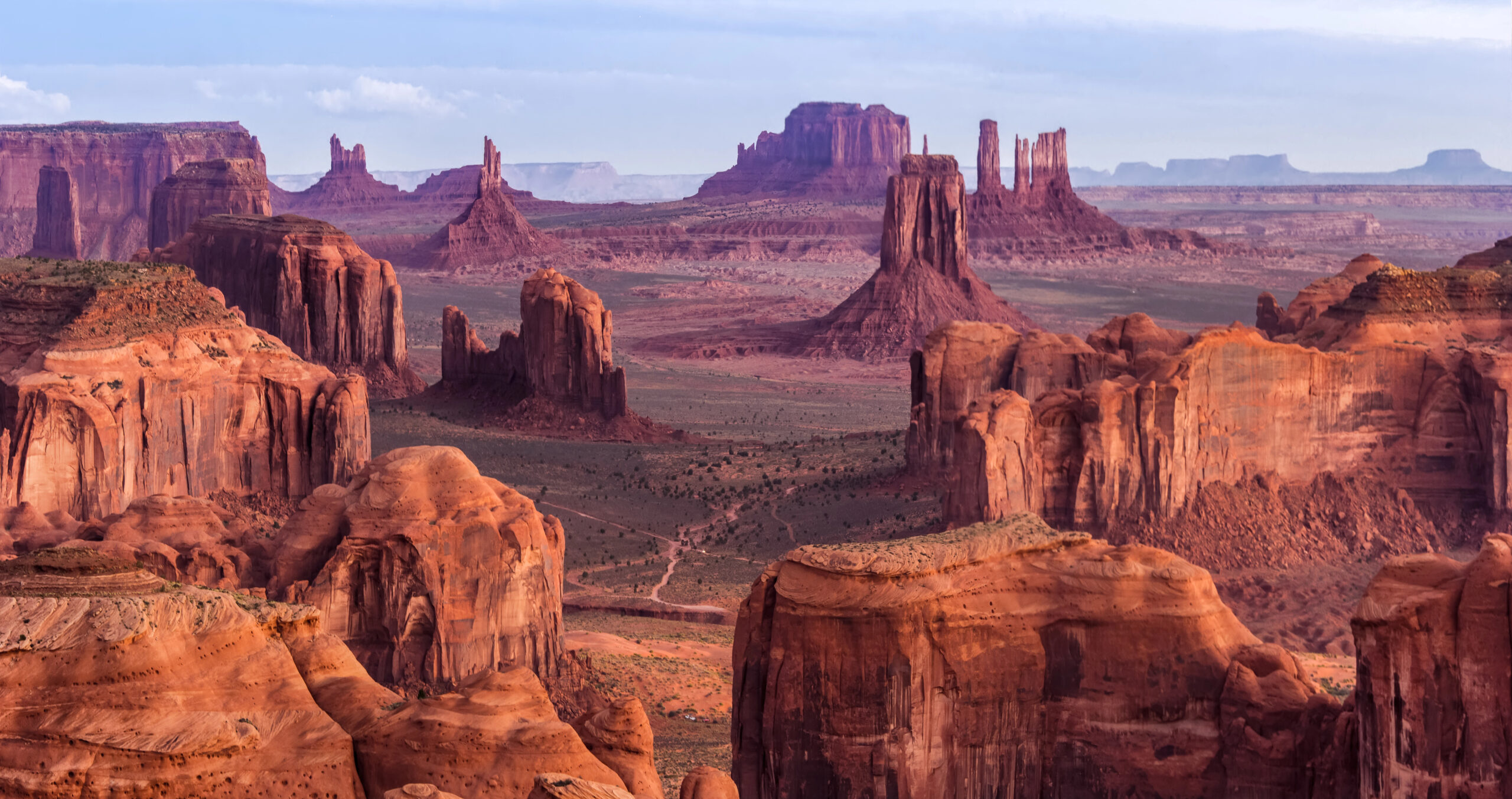

From towering sand dunes to carved rock formations, the power of the wind has shaped some of the most stunning landscapes on Earth. These places tell a story of nature's artistry, where the air itself sculpts and molds the surface over millennia. Each site offers a unique glimpse into the relentless, yet creative force of the wind, inviting awe and admiration from all who visit.
1. Antelope Canyon (A Serenade in Stone)

In the heart of the Arizona desert, Antelope Canyon stands as a testament to the sculpting prowess of wind and water. This slot canyon, with its smooth, wave-like walls and light beams falling through narrow openings, creates an almost ethereal experience. The Navajo sandstone has been eroded so delicately that the passageways seem to flow like liquid. Photographers and adventurers alike flock here to capture its unique interplay of light and shadow. Antelope Canyon is a clear example of how even air can carve beauty into the earth.
2. The Great Sand Dunes (A Desert of Contrast)

Colorado's Great Sand Dunes are a marvel, where the wind has built mountains out of sand. These are North America's tallest dunes, towering at over 750 feet, set against the backdrop of snow-capped peaks. The wind continuously reshapes the landscape, creating an ever-changing canvas of ridges and valleys. Visitors can explore this sandy wonderland by foot or sled, experiencing the vastness of this desert-like environment. The dunes are a stark reminder of the wind's powerful yet playful nature.
3. White Desert (Moon on Earth)

Egypt's White Desert offers a landscape so surreal, it feels like stepping onto another planet. Wind erosion has whittled the chalk and limestone into bizarre shapes resembling mushrooms, icebergs, and even creatures from a fantasy novel. By day, the desert shines a brilliant white, transforming to soft pinks and oranges at sunset. This natural art gallery showcases the wind's ability to create sculptures that defy imagination. Camping under the stars here provides an unparalleled experience, blending stark beauty with profound silence.
4. Moeraki Boulders (Nature's Marbles)

On the coast of New Zealand, the Moeraki Boulders look like giant marbles left by a titan. These spherical stones, some over 2 meters in diameter, are actually concretions that have been exposed through shoreline erosion by wind and water. The boulders sit on a sandy beach, creating a stark contrast and a photographer's dream at sunrise and sunset. Local Maori legends offer captivating tales about their origins, adding a layer of mystique. The wind continues to unveil these geological wonders, drawing curiosity and awe from around the globe.
5. Valley of the Moon (A Lunar Landscape)

Chile's Valley of the Moon in the Atacama Desert is a masterpiece of wind erosion, resembling the lunar surface. Over millions of years, the wind has carved the salt and rock into formations that look like they belong on the moon. The landscape is dotted with dry lakes, sand dunes, and jagged mountains, offering a stark beauty that's otherworldly. Sunsets here bathe the valley in vibrant colors, highlighting the textures and shapes in dramatic relief. Its alien beauty makes it a favorite among both scientists and tourists, seeking to explore the limits of Earth's diversity.
6. Bryce Canyon (Hoodoos Galore)

Utah's Bryce Canyon is not actually a canyon but a series of natural amphitheaters carved into the edge of a plateau. The wind has worked alongside water and ice to sculpt the famous hoodoos - tall, thin spires of rock that protrude from the bottom of arid basins. The red, orange, and white colors of the rocks provide a breathtaking view, especially at sunrise and sunset. This natural arena of geological wonders attracts hikers, photographers, and geologists. Bryce Canyon exemplifies the artistic side of erosion, showcasing formations that seem to defy gravity.
7. Lencois Maranhenses (The Ever-changing Dunes)

Brazil's Lencois Maranhenses looks like an endless sea of sand dunes, but it's the rain that brings this landscape to life. The wind shapes these vast dunes, which stretch as far as the eye can see. However, during the rainy season, the valleys between the dunes fill with crystal-clear freshwater lagoons, creating a striking contrast. This unique phenomenon turns the area into a surreal landscape of blue waters amidst the white sands. The fleeting lagoons attract visitors from around the world, eager to see this ephemeral beauty before the wind reshapes it once again.
8. Mount Thor (A Wall Against the Wind)

Canada's Mount Thor features the world's tallest vertical drop, offering a sheer challenge to the wind. Located in Auyuittuq National Park on Baffin Island, this granite peak towers with a 4,101-foot face. The wind blasts against its near-vertical walls, shaping the surrounding landscape. This remote wilderness attracts the most adventurous climbers, drawn to its imposing beauty and the sheer audacity of its cliffs. Mount Thor stands as a testament to the monumental power of nature, where even the air contributes to its majesty.
9. Wadi Rum (The Valley of the Moon)

Jordan's Wadi Rum, also known as the Valley of the Moon, offers a landscape so striking, it's often compared to Mars. Over millennia, the wind has sculpted sandstone and granite into towering cliffs, natural arches, and vast canyons. This desert wilderness is steeped in history, once traversed by Lawrence of Arabia. Bedouin camps dot the landscape, offering visitors a chance to experience the desert's timeless beauty up close. Wadi Rum's dramatic vistas provide a backdrop for adventure, reflection, and an undeniable connection with the ancient forces of wind and sand.
10. Cappadocia (Fairy Chimneys and Ancient Homes)

Turkey's Cappadocia is famous for its "fairy chimneys," spire-like rock formations created by volcanic eruptions followed by millennia of wind erosion. This otherworldly landscape is not just a natural phenomenon but also a historical marvel, with entire cities carved into the rock by ancient civilizations. Balloons floating at sunrise offer a bird's eye view of this magical terrain, where the wind continues to sculpt and shape. Underground cities and ancient cave homes add layers of mystery, beckoning explorers and historians alike. Cappadocia stands as a living museum, where the wind has etched both nature's and humanity's stories into the earth.
11. Monument Valley (Iconic Red Sandstone Towers)

Straddling the border between Arizona and Utah, Monument Valley showcases the dramatic results of wind erosion with its iconic sandstone buttes. These towering formations, reaching up to 1,000 feet, dominate the otherwise flat landscape, creating a striking visual contrast. This is a sacred land to the Navajo Nation, rich in history and cultural significance. The play of light and shadow across these buttes at sunrise and sunset offers an unforgettable spectacle. Monument Valley's stark beauty has made it a favorite for filmmakers and photographers, capturing the imagination of audiences worldwide.
12. The Pinnacles (Ancient Forest Turned Stone)

In Western Australia's Nambung National Park, the Pinnacles form an eerie landscape of limestone formations jutting out of the desert floor. These spires are remnants of seashells from an ancient forest that stood here over 25,000 years ago. Wind erosion has exposed and sculpted these formations, creating a surreal desert dotted with thousands of limestone pillars. The contrast between the golden sands and the blue sky makes for a mesmerizing view, especially at dawn and dusk. This natural phenomenon draws visitors for both its alien beauty and its fascinating geological history.
13. Death Valley (Sailing Stones and Salt Flats)

California's Death Valley holds the record for the hottest place on Earth, yet it's the wind that adds to its allure with the mysterious sailing stones. These rocks move across the racetrack playa, leaving trails in the cracked mud, seemingly propelled by an invisible force. The wind, in combination with thin ice sheets, pushes these stones over the flat surface. The valley is also home to vast salt flats, where the wind shapes intricate patterns on the ground. Death Valley's extreme conditions create a landscape of stark beauty and enduring mysteries.
14. The Wave (A Swirl of Colors)

On the Arizona-Utah border, The Wave is a mesmerizing blend of undulating forms and swirling colors in sandstone. Access to this geological wonder is limited to preserve its fragile beauty, making it a coveted destination for hikers and photographers. Over millions of years, wind and rain have sculpted this rock formation into a natural amphitheater of waves. The interplay of light and shadow changes its appearance throughout the day. The Wave is a testament to the wind's ability to create a masterpiece from stone.
15. Namib Desert (World's Oldest Desert)

The Namib Desert, stretching along Africa's Atlantic coast, is considered the oldest desert in the world. Here, the wind has crafted the highest sand dunes on the planet, some reaching over 300 meters. The contrast between the red dunes and the blue sky is simply breathtaking, especially at sunrise or sunset. This desert is also home to Deadvlei, a clay pan famous for its ancient, dead acacia trees that stand as stark silhouettes against the bright sand. The Namib's surreal landscapes offer a glimpse into the primal forces of nature and the artistry of the wind.
16. Arches National Park (Natural Stone Arches)

Utah's Arches National Park is a showcase of natural stone arches, with over 2,000 documented to date. These formations are the result of millions of years of erosion, primarily by wind, which has chiseled the rock into an array of shapes and sizes. The park's most famous arch, Delicate Arch, stands alone against the sky, an iconic symbol of natural beauty and persistence. Hiking trails offer up-close encounters with these marvels, inviting visitors to marvel at the wind's creative power. Arches National Park serves as a stunning gallery of natural architecture, sculpted by the relentless forces of wind and time.
17. Badlands National Park (A Rugged Beauty)

South Dakota's Badlands National Park offers a landscape of sharply eroded buttes, pinnacles, and spires. The wind, along with water, has carved this rugged terrain, revealing layers of colorful sediment and fossil beds. The park's dramatic landscapes change in appearance with the light, offering an ever-shifting tableau of shapes and colors. Hiking trails and scenic drives provide ample opportunities to explore this unique geological wonder. The Badlands remind us of the wind's power to sculpt landscapes that are both stark and beautiful, telling a story millions of years in the making.
18. Mount Huangshan (A Chinese Ink Painting)

China's Mount Huangshan, or Yellow Mountain, is celebrated for its scenic beauty, resembling a traditional Chinese ink painting. Granite peaks, shaped by the wind over eons, emerge from a sea of clouds, creating a mystical landscape. Pine trees cling to the rocks, adding to the serene beauty. The area is also known for its hot springs and sunsets that paint the sky in breathtaking colors. Mount Huangshan's dramatic scenery has inspired poets and painters for centuries, making it a monument to the wind's artistic touch.
19. Spitzkoppe (Namibia's Matterhorn)

Namibia's Spitzkoppe, often referred to as the "Matterhorn of Africa," is a group of granite peaks that rise dramatically from the desert floor. The wind has sculpted these rocks into smooth, rounded shapes, creating a stark contrast with the surrounding plains. Climbers and photographers are drawn to its unique formations and the chance to camp under a sky filled with stars. The area is rich in San Bushman rock art, adding a layer of cultural history to the natural beauty. Spitzkoppe's isolation and distinctive silhouette make it a captivating landmark in the heart of Namibia.
20. Fairy Stream (A Walk Through Erosion)

Vietnam's Fairy Stream offers a gentle, yet striking example of wind and water erosion. Walking along the shallow stream, visitors are surrounded by soft red and white sandbanks, carved into smooth shapes and patterns. The stream winds through bamboo forests, dunes, and rock formations, showcasing the gentle side of nature's sculpting tools. It's a peaceful experience, allowing for a close-up view of the delicate work of erosion over time. Fairy Stream represents the harmony of elements, where wind and water together craft a landscape of subtle beauty and tranquility.
This article was written by a human and edited with AI Assistance