

The world is peppered with awe-inspiring monuments that transform with the seasons, offering a new perspective with every visit. These iconic structures are not just frozen in time; they evolve, reflecting the changing canvas of nature itself. Whether it's the bloom of spring flowers or a winter snowfall, each season adds its unique touch, making every visit a fresh experience. Here are eight such monuments that are known for their seasonal metamorphoses, promising a different view every time you see them.
1. Eiffel Tower (Paris lights up differently)

Paris's Eiffel Tower, a marvel of wrought iron lattice, offers a distinct spectacle each season. Spring brings a backdrop of blooming flowers, accentuating its ironwork with vibrant colors, while summer offers clear blue skies for perfect photo ops. Come autumn, the surrounding gardens mellow into golden hues, creating a romantic setting that contrasts sharply with the structure's metallic tones. Winter covers the city in a soft blanket of snow, with the tower rising majestically above the white landscape, especially enchanting when the tower's lights reflect off the snow at night. Each season not only changes the tower's setting but also the mood and atmosphere it evokes.
2. Great Wall of China (A seasonal color palette)

The Great Wall of China snakes through landscapes that shift dramatically with the seasons. Spring paints the surrounding mountains and valleys in lush greens, making the wall appear as a dragon awakening amidst blooming flora. Summer intensifies the green, adding a vibrant backdrop to the ancient stones. In autumn, the wall weaves through a tapestry of reds, oranges, and yellows as the foliage changes color. Winter then blankets the structure in snow, turning it into a serene and almost unworldly scene. Each season offers a unique charm, inviting visitors to experience its beauty anew.
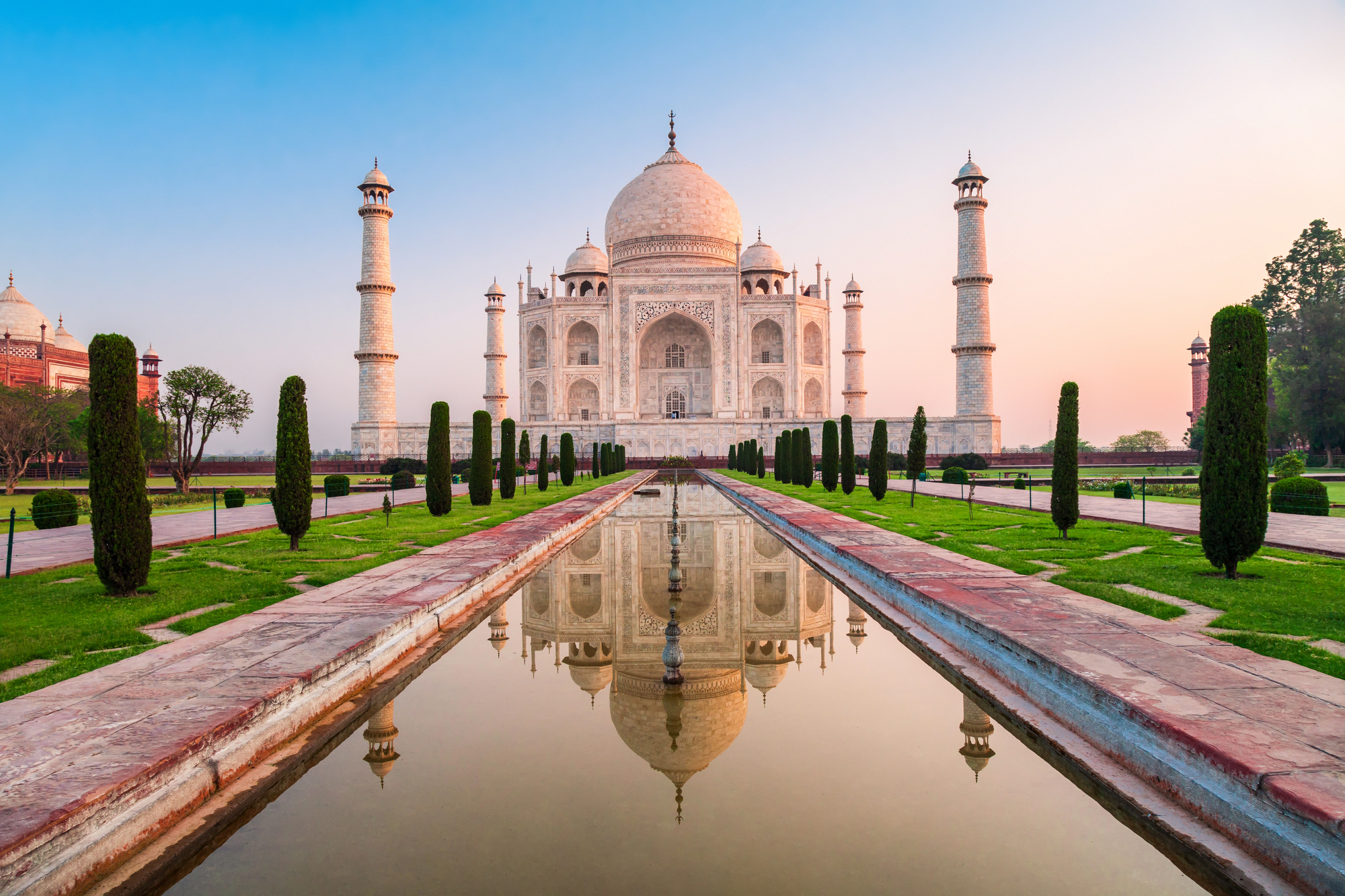
3. Taj Mahal (A changing reflection)

The Taj Mahal in India is renowned for its stunning architecture and the romantic story behind its construction. What makes it even more magical is how it looks utterly different with each season. During spring, the surrounding gardens burst into colorful blooms, with the monument reflecting beautifully in the Yamuna River. The monsoon season brings a dramatic sky, providing a striking backdrop to the pristine white marble. Autumn clears the air, offering crisp, clear views of the monument under the golden sunlight. Winter mornings might greet you with a misty Taj Mahal, creating an ethereal aura around this iconic structure. Each season adds a unique layer to its eternal beauty, making every visit memorable.
4. Statue of Liberty (Seasonal vibes of freedom)

New York's Statue of Liberty stands as a symbol of freedom and democracy, with its appearance subtly changing with the seasons. Spring surrounds Lady Liberty with the fresh greenery of Liberty Island, enhancing her welcoming stance. In summer, the vibrant blue skies and bustling harbor activity add a lively backdrop, perfect for visiting tourists. Come fall, the island's foliage turns into warm shades of orange and yellow, casting a soft glow on the statue. Winter often sees the statue stand tall against a stark white snowscape, embodying resilience. Each season brings with it a new perspective on freedom, viewed through the lens of changing natural beauty.
5. Angkor Wat (Monuments amidst changing nature)

Cambodia's Angkor Wat, a masterpiece of Khmer architecture, is as mesmerizing for its design as for how it merges with the seasonal shifts. During the rainy season, the surrounding moat fills up, reflecting the complex in its waters and making it seem like it's floating on a mirror. The dry season turns the landscape a deep, lush green, highlighting the ancient stones' gray against the vibrant forestry. The cooler months see a drop in humidity, offering clearer skies and a more comfortable exploration of its vast expanse. Each season not only changes the temple's appearance but also how its ambiance is felt, from mystical during rains to majestically serene in cooler weather.
6. Machu Picchu (A citadel of changing moods)

Machu Picchu in Peru is a testament to Incan architecture, nestled high in the Andes Mountains. The wet season transforms the site into a misty, mysterious landscape, with clouds rolling in and out, revealing and hiding the ruins. In contrast, the dry season offers clear, panoramic views of the stone structures against a backdrop of stark, green peaks. The changing weather patterns significantly affect the journey to Machu Picchu as well, with trekking routes being lush and challenging during rains, and stark but accessible in drier months. Each visit promises a different experience, dictated by the whims of nature and the season.
7. Colosseum (An ancient arena through the seasons)

Rome's Colosseum, an iconic symbol of ancient gladiatorial battles, showcases its enduring majesty across seasons. Spring and autumn offer mild temperatures and a softer light, highlighting the ancient stones' textures and the structure's grandeur. Summer fills the arena with tourists, with the warm light accentuating the Colosseum's curves and arches. In winter, fewer crowds and a cooler climate offer a more intimate experience of its vastness and historical weight. The changing seasons add layers to its ancient story, inviting visitors to imagine its past in different lights.
8. Mount Rushmore (Faces in seasonal frames)

Mount Rushmore, with the carved faces of four U.S. presidents, is set against the Black Hills of South Dakota, which dramatically change with the seasons. Spring brings a fresh bloom of wildflowers, adding a splash of color to the granite backdrop. Summer offers clear blue skies, perfect for viewing the monument in all its glory. The fall season drapes the surrounding forest in warm colors, offering a striking contrast to the stone faces. Winter snows cap the monument and trees, transforming the scene into a stark, majestic landscape. Each season offers a unique view, making it a year-round attraction for visitors.
This article was written by a human and edited with AI Assistance