
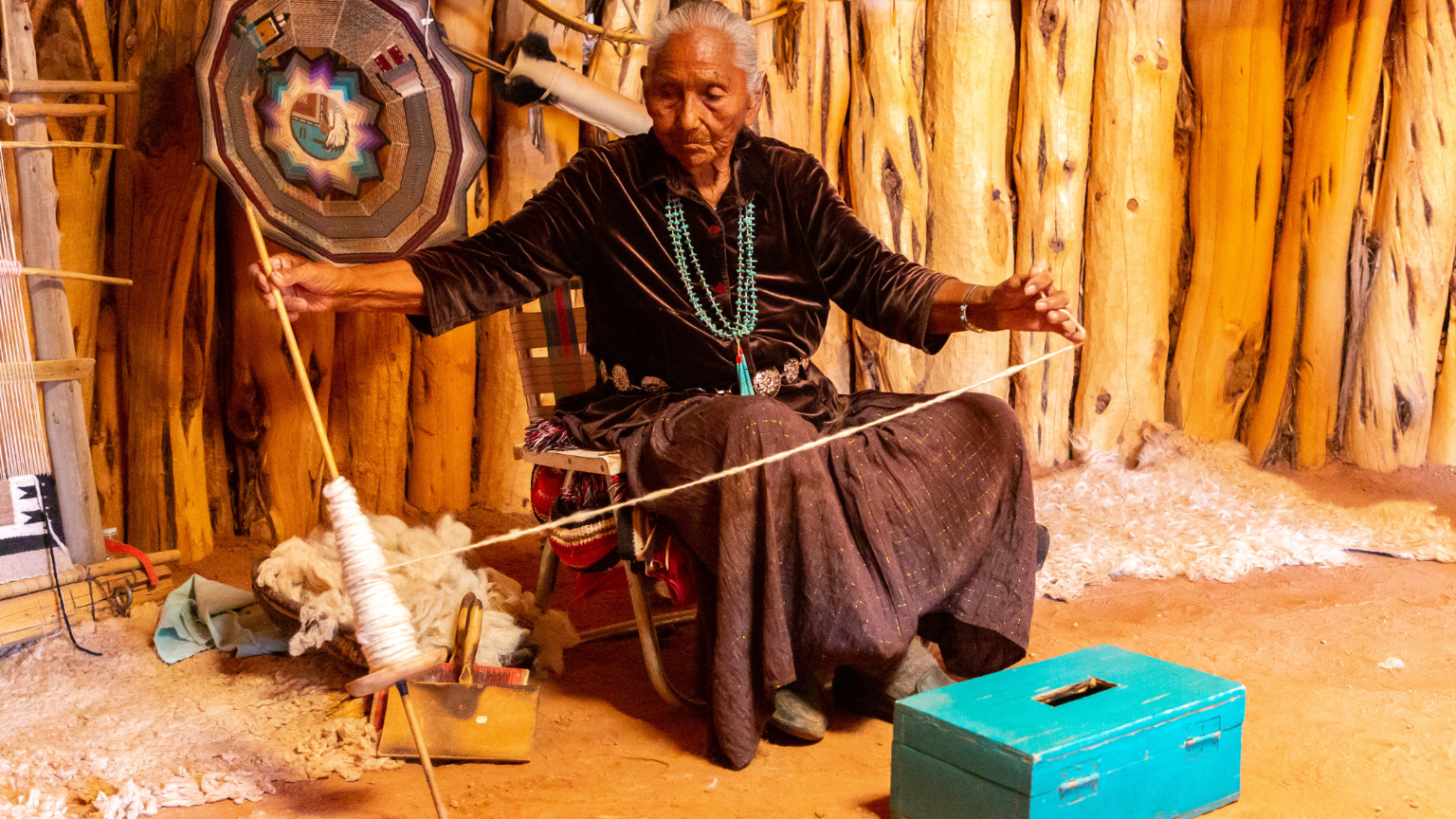

In a sunlit room on the Navajo Nation, the rhythmic clack of wooden shuttles carries a story centuries old. An elder weaver’s hands move with calm precision, guiding strands of dyed wool into patterns passed down through generations. Each line, every shade, reflects an enduring connection to land, family, and identity. This moment captures a living tradition where art becomes memory and heritage.
Navajo weaving holds a central place in the culture and economy of the Navajo people, also known as the Diné. These textiles are more than decorative objects; they serve as vehicles for history, territory, and spirituality. The practice, thriving across the vast lands of Arizona’s Navajo Nation, shows the perseverance of indigenous knowledge amid changing times. Understanding this textile art reveals a deep cultural wealth preserved by weavers dedicated to their craft.
The Living Tradition
Navajo weaving began centuries ago, drawing from ancestral roots and adapting influences over time. Early on, the Navajo learned to spin and weave wool from sheep introduced in the 1600s. Over the centuries, many weaving patterns became specific markers of place, style, and clan identity. Today, experts trace rugs and blankets back to precise geographic areas within the Navajo Nation, thanks to consistent designs inherited within families.
The arrival of railroads in the late 19th century brought access to commercial dyed wool from places like Germantown, Philadelphia. This expanded the weavers’ palette beyond natural dyes to vibrant red, blue, and green shades. Despite these changes, traditional motifs like lightning bolts, crosses, and stepped diamonds continue to encode cultural stories and beliefs. These symbols connect the weaver to the land and their ancestors.
Navajo weaving gained economic importance as well, with the 2011 Arizona Hospitality Research & Resource Center survey reporting over $20 million made from art and crafts trade on the Navajo Nation. Weaving supports many families, especially women, as cultural education and livelihood. This blend of commerce and tradition balances community values and adaptation in a modern world.
The People Behind It
Behind every rug lies a weaver’s unique voice. Venancio Aragón, a Diné artist working on an upright loom, embodies this blend of tradition and innovation. Aragón dyes wool with Kool-Aid, experimenting with colors while honoring family-taught patterns. His work illustrates how younger weavers carry ancestral knowledge forward in personal ways.
Another influential figure is Eric-Paul Riege, born in 1994, a multidisciplinary Diné artist who reinterprets Navajo weaving alongside crafts made from modern materials. Riege collaborates with family and community members, showing weaving’s evolving role in identity formation. Their stories highlight weaving as a living art that adapts and thrives with each new generation.
Community elders emphasize the oral nature of weaving knowledge. Patterns educate younger weavers about geography, spirituality, and proper conduct. Passing skills from mothers, grandmothers, and aunts ensures cultural continuity. This mentorship reinforces weaving as a communal activity, not just individual artistry.
How to Experience It Respectfully
Visiting the Navajo Nation offers travelers a rare chance to learn about weaving within its cultural context. Engaging respectfully means seeking out authentic experiences with local artists and educators. Many weavers welcome visitors to their homes or studios for demonstrations or workshops, provided guests approach with openness and respect.
Museums such as the Navajo Nation Museum in Window Rock, Arizona, offer exhibits on weaving history and significance. Guided tours led by community members deepen the understanding of cultural values woven into each piece. Shopping directly from Navajo artisans supports the community economically while honoring the creators.
Travelers should avoid mass-produced imitations or exploitative souvenirs that undermine cultural sovereignty. Instead, purchasing handwoven rugs or blankets through certified cooperatives ensures authenticity and fair compensation. Listening carefully to weavers’ stories about their work fosters appreciation beyond aesthetics.
Visitors should remember that weaving represents more than craft; it is a means of preserving identity and language. Showing patience and humility in learning about this tradition honors the Navajo people and their centuries-old art form.
Through these living threads, the Navajo continue to sustain their heritage with pride and resilience. Their textile arts stand as both a connection to the past and a beacon for future generations.
This article was written by Will and edited with AI assistance.