
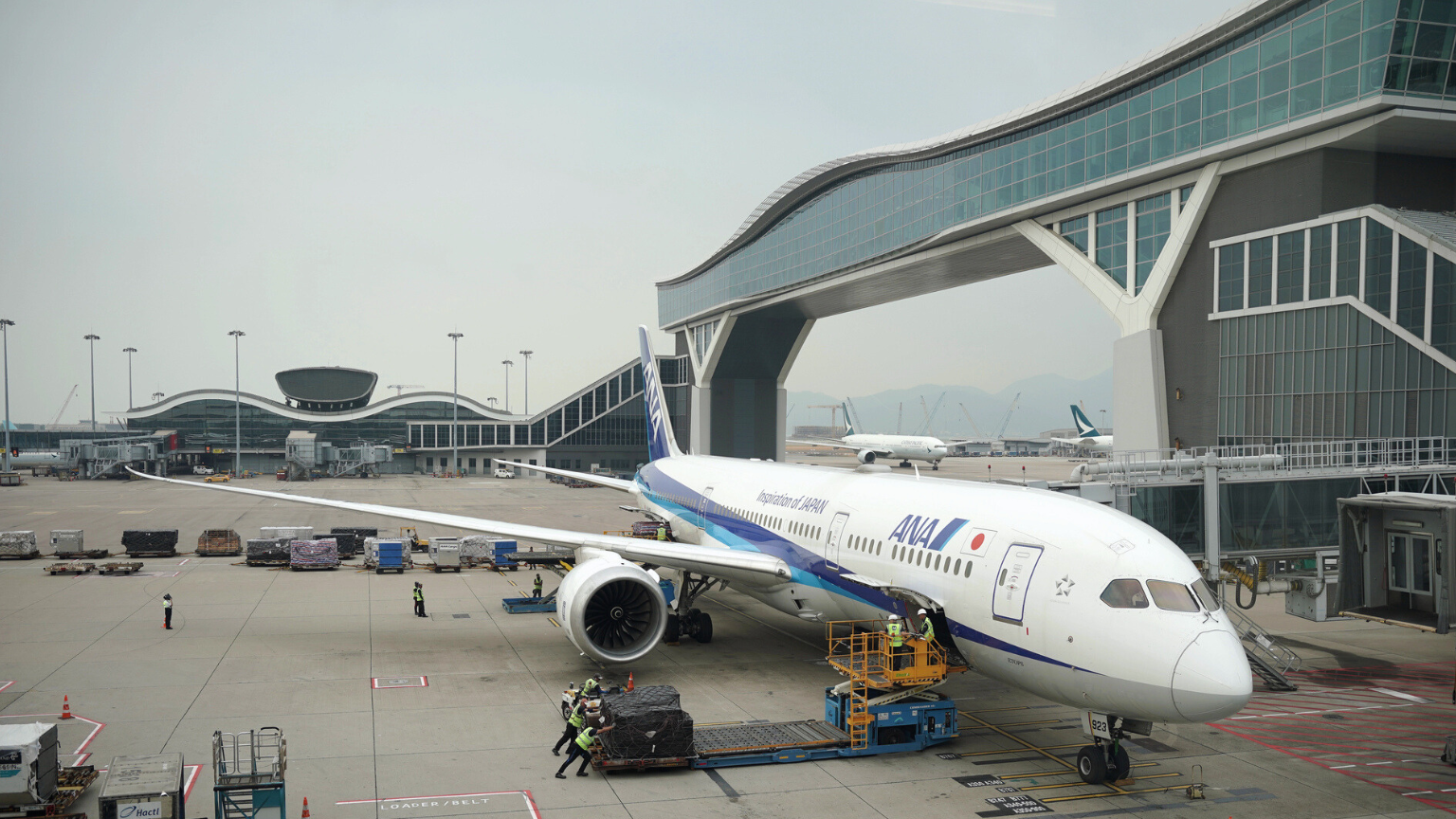

Premium Demand Takes Off
Outbound business travel from Japan is rising sharply, especially on long-haul routes to North America and Europe. Executives are filling premium cabins again, and that surge is boosting profitability at Japan Airlines (JAL) and All Nippon Airways (ANA). As international corporate travel bounces back, both carriers are leaning into larger aircraft, upgraded cabins, and schedules tailored to business flyers navigating shifting trade patterns and supply chains.
What’s Fueling the Rebound
Japanese companies are reworking production and sourcing strategies in response to tariff changes and global trade tensions. That realignment requires more on-site visits—factory checks, supplier meetings, and deal negotiations—particularly in North America. As a result, business-class bookings and average fares on long-haul routes have climbed. The renewed appetite for face-to-face meetings is also spreading to Europe, further lifting demand beyond Asia-Pacific.
U.S. and Europe See the Biggest Gains
Recent indicators show a clear tilt toward in-person travel. Business trips between Japan and the United States have grown notably since 2018, with a 28% jump in Japanese business visitors to the U.S. between April and July alone. The same momentum is showing up on Japan–Europe routes, where both JAL and ANA report healthier premium demand, even as performance varies by market month to month.
JAL: Routes, Revenue, and Record Results
JAL is one of the biggest winners from the premium rebound:
- Bookings up 121% year over year on corporate travel.
- Network tuned for demand, including the return of Narita–Chicago and an upgauge on Haneda–Los Angeles to add more business-class seats.
- Pricing power holds, with firms paying a premium for flexibility, comfort, and sleep-friendly cabins.
- Corporate travel now tops 15% of JAL’s international revenue.
- Profit outlook: Analysts see operating profit around ¥72.1 billion (≈ USD 490 million) in Q2—JAL’s strongest since 2018.
ANA: North America Leads, Europe Lags—But Still Lifts
ANA’s broad long-haul network is also benefiting:
- North America is the engine, with strong sales and steady premium demand.
- Europe shows a softer mix, but still contributes to the overall recovery.
- Fleet and capacity adjustments prioritize long-haul corridors where corporate travel is most resilient.
Industry Shifts Behind the Seats
Manufacturers like major auto and components firms are expanding across North America to mitigate tariffs and supply risk. That push translates to more trips for site planning, audits, and partner visits—work that doesn’t translate well to video calls. Airlines are responding by restoring high-yield routes, adding lie-flat capacity, and tightening schedules around business-friendly departure times.
Network and Fleet Moves You Can See
- More widebodies on key U.S. and European routes to grow premium seat counts.
- Restored frequencies on cornerstone city pairs as corporate calendars fill.
- Product emphasis on lounges, Wi-Fi, privacy doors, and direct-aisle access to justify higher fares and win corporate contracts.
Why This Matters Beyond the Airlines
Premium travel is a high-margin segment that helps stabilize airline finances and supports broader tourism. When executives fly, they book hotels, restaurants, and ground transport—and often extend trips. The knock-on effect benefits hubs in Japan and destination cities abroad, feeding a recovery that reaches far beyond the cabin.
Outlook: Momentum Into the Second Half
Both JAL and ANA expect international demand to keep building through the rest of the year as supply chains evolve and corporate travel budgets normalize. With added capacity on North American and select European routes, the carriers are positioned to capture further upside—while keeping fares firm where demand remains strongest.
Bottom Line
Japan’s outbound business travel is back—and it’s reshaping airline strategy. JAL and ANA are capitalizing on higher-yield long-haul demand with smarter networks, more premium seats, and service upgrades that matter to corporate flyers. Whether it’s a boardroom in New York or a negotiation in London, the return to in-person work is powering profits now and laying a sturdier foundation for growth ahead.
Follow us on MSN for all your travel and lifestyle tips.
This article was written by Hunter and edited with AI Assistance