
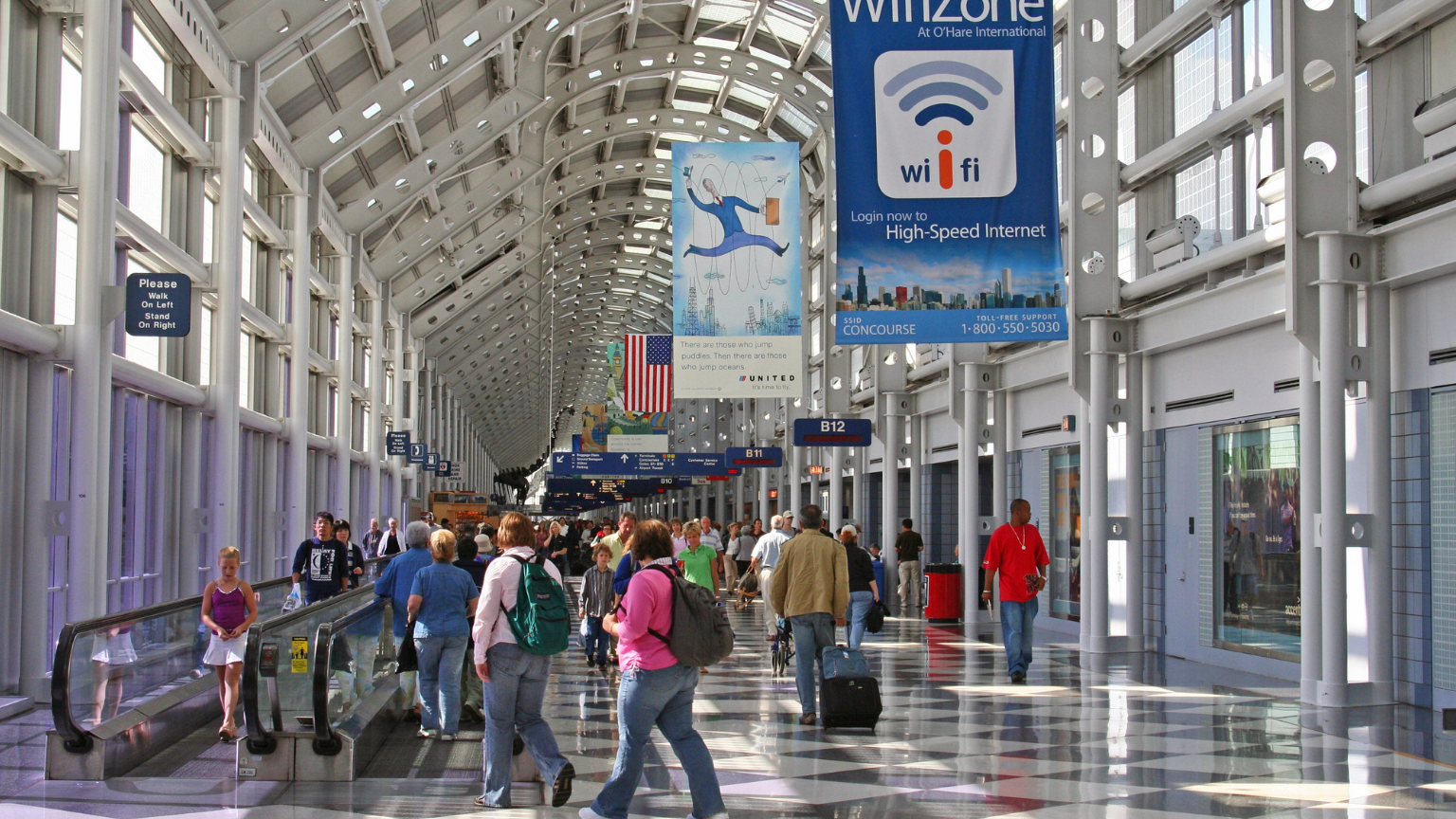

There was a time when “airport chaos” meant Thanksgiving weekend or a once in a decade blizzard. In 2025, it feels like any random Tuesday can melt down. One day it is a wave of weather, the next it is a staffing crunch in the control tower, a glitchy border system, or a ripple effect from a government shutdown. Departure boards flicker with rolling delays, terminals swing from eerily quiet to shoulder to shoulder, and travelers swap horror stories in security lines like battle veterans.
The good news is that flying is back in a big way. Planes are full, global passenger numbers are hitting new highs, and more people are eager to travel than at any point since before the pandemic. The bad news is that the aviation system is still playing catch up. Airports, airlines, and regulators are trying to rebuild capacity while dealing with staff shortages, aging infrastructure, and new tech that is not always ready for prime time.
This is the new era of airport chaos. It is not going away soon, but travelers are learning how to adapt. If you want to keep your trip from becoming the next viral delay story, it helps to understand what is happening behind the scenes and how the savviest flyers are quietly changing the way they travel.
Why Airports Feel So Unstable Right Now
A big part of the problem is simple math. Passenger demand has surged back faster than anyone expected. Airlines have filled their schedules, airports are packed, and planes are flying with high load factors. The system is running hot, with very little slack. That means when something goes wrong in one part of the network, the impact spreads quickly.
At the same time, key parts of the system are still under strain. Air traffic control in the United States is dealing with chronic staffing shortages that were pushed to the breaking point during the recent government shutdown. On some of the worst days, more than ten thousand flights were delayed and thousands were canceled as the FAA ordered airlines to cut schedules at major hubs. Those cuts have been partially frozen, but controller fatigue and thin staffing are still lingering issues.
Europe is experiencing its own version of turbulence as new biometric border checks roll out. The EU’s Entry/Exit System is designed to speed things up in the long run, but the early stages have brought long queues, confused travelers, and extra time at immigration counters in busy hubs. Add in occasional strikes, weather extremes, and aircraft stuck in maintenance because of supply chain delays, and you have a recipe for volatility that can flare up almost anywhere in the world.
The Bottlenecks You Never See On Your Boarding Pass
From a traveler’s perspective, everything looks simple. You buy a ticket, show up at the airport, check a bag, clear security, and wait at the gate. Behind that smooth surface, there are multiple chokepoints stacked on top of each other.
In the sky, air traffic controllers are juggling more flights with fewer people than they would like. When staffing is thin, the FAA often slows the rate of takeoffs and landings at busy airports. That shows up as “air traffic control delay” on your app, usually with very little explanation.
On the ground, security checkpoints are under pressure as passenger numbers grow faster than staffing and new screening technology is rolled out unevenly. A single equipment failure or a sudden wave of late arriving passengers can stretch wait times from twenty minutes to over an hour.
Then there is everything that happens between the gate and the runway. Ground handlers load bags and cargo, fuelers top up tanks, caterers bring food, and maintenance crews clear minor issues. Each of those jobs is dealing with its own hiring and retention challenges. When a single link in that chain breaks, a flight that looked on time can quickly slip into delay territory.
The end result is that airports feel unpredictable. Even on blue sky days with no obvious storm, you can still be caught in a slowdown caused by invisible bottlenecks that never make it into the announcement over the loudspeaker.
How Chaos Shows Up For Travelers
For most passengers, the new era of chaos does not look like dramatic scenes of people sleeping in terminals every single day. It is more like a constant background hum of inconvenience that occasionally spikes into full blown disruption.
You might notice that your flight time shifts multiple times in the days before departure as airlines tweak schedules to cope with mandated cuts. You may land on time, only to sit on the tarmac waiting for a gate because the ground crew is backed up. Baggage claim can be smooth one day and a mess the next if staffing is short or bags are held back from a tight connection.
Missed connections have become a major pain point. When hubs are operating at the edge of their capacity, there is less room to hold a plane for a late inbound group of passengers. One thunderstorm or traffic slowdown in the airspace can cascade into a wave of people sprinting across terminals and lining up at rebooking desks.
International travel has its own twists. You might breeze through passport control in one city and then spend ninety minutes in a slow moving line somewhere else that is still adjusting to new biometric systems or a staffing crunch at the border. Travelers connecting between non Schengen and Schengen flights in Europe are learning the hard way that two hours can feel tight in the wrong airport at the wrong time of day.
The New Rules Savvy Travelers Are Using To Stay Ahead
The smartest travelers have quietly rewritten their own rulebook to match this new reality. They know they cannot control the system, but they can stack the odds in their favor.
One of the biggest shifts is timing. Early morning flights are more valuable than ever. The first departures of the day are less likely to be affected by rolling delays, and if something goes wrong, you have more options later in the day. Flying the evening before an important event, instead of the same day, has gone from cautious to essential.
Connection choices are changing too. Where a one hour domestic layover once felt fine, many frequent flyers now aim for at least ninety minutes or even two hours, especially in major hubs known for long taxi times and crowded security checkpoints. For international trips, three hours has become the minimum comfort zone in many European gateways, with four hours being the conservative pick when connecting between long haul and short haul flights.
Nonstop flights are getting top priority when budgets allow. Every connection you eliminate removes one potential failure point. When a connection is unavoidable, savvy travelers pick hubs with better historical performance and avoid super tight itineraries that depend on perfect timing.
Packing and Planning Like a Pro
In the age of airport chaos, your carry on has become your safety net. Experienced travelers treat it like a lifeboat. That means packing at least one full change of clothes, medications, chargers, and a day’s worth of essentials in your personal item or roller bag. If your checked luggage goes wandering, you will still be able to function.
More people are investing in lightweight carry on setups and learning to pack for a week or more without checking a bag at all. It is not always possible, especially for long trips or special events, but every time you fly with carry on only, you remove one entire system from the list of things that can fail.
Backup planning has also gone up a level. Savvy travelers now think in terms of “Plan A, Plan B, and Plan C.” Plan A is the ideal itinerary. Plan B is the alternative route you could reasonably ask for if things go sideways. Plan C might include a train, a rental car, or an overnight somewhere unexpected. Just knowing your options before you leave home makes it easier to make decisions under pressure at the airport.
Finally, people are being more strategic about where they sit. Seats toward the front of the plane can help you get off faster for tight connections. Aisle seats can make it easier to get up, stretch, and access overhead bins quickly when it is time to move. These details will not solve everything, but they can shave precious minutes off your travel day.
Tech Tools That Actually Help
Travel apps are not just for checking in anymore. In this new era, they are your real time control center. Frequent flyers now watch their flights from multiple angles. They use airline apps for official updates, flight tracking apps to see where the inbound plane is coming from, and airport apps to check security wait times and terminal maps.
Notifications matter. Enabling every alert you can find may feel annoying at first, but it means you will know about a gate change or delay as soon as it is posted. Some travelers set up push alerts for key airports during peak seasons so they can sense a meltdown brewing even before it hits their own itinerary.
Automation helps too. Tools that automatically rebook you on alternate flights, send you options when your connection looks doomed, or help you track and file claims for delays and luggage issues are gaining popularity. You still need to advocate for yourself at the airport, but arriving at the counter with a clear alternative in mind can speed things up considerably.
On international trips, checking the latest rules for border systems and entry requirements has gone from a nice to have to a must. New tech at immigration, like automated biometric checks, can work smoothly one week and slowly the next as systems and staffing adjust. Knowing in advance where you might hit a bottleneck gives you a chance to build extra time into your plans.
Building Flexibility Into Your Trip From Day One
In the old days, many travelers booked the absolute cheapest fare, locked in their dates, and hoped everything worked out. In 2025, flexibility is worth paying for.
That might mean choosing fares that allow same day changes for a reasonable fee, or booking directly with an airline that has better customer support when things go wrong. It might mean avoiding ultra tight connections even if they make the itinerary look more efficient on paper. It might also include buying travel insurance that clearly covers delays, missed connections, and extra nights if you get stranded.
Some travelers are restructuring their entire trip around the reality of airport chaos. They are scheduling buffer days at the start and end of international vacations, planning important meetings or events a full day after arrival, and being slower to commit to nonrefundable tours and reservations on arrival day. It feels less efficient, but it dramatically cuts down on stress when flights do not cooperate.
Even small choices help. Leaving earlier for the airport than you think you need to, signing up for trusted traveler programs where available, and avoiding ultra late night arrivals at unfamiliar airports can all make your journey feel more under control.
Finding Calm In The Middle Of The Storm
For all the talk of chaos, it is worth remembering that most flights still operate more or less as planned. Millions of people get where they are going each day without major drama. The difference in 2025 is that the margin for error is thinner, and the odds of a bad day have quietly crept up.
The travelers who seem the calmest in crowded terminals are not the ones with the fanciest status or the highest ticket price. They are the ones who have accepted that disruption is part of the deal and built their plans around that reality. They arrive earlier, pack smarter, know their backup options, and stay plugged into real time information.
Airports may feel more unpredictable than they did a decade ago, but that does not mean you have to dread every trip. By understanding what is happening behind the security lines and control towers, you can make better choices from the moment you start searching for flights.
We may be stuck in a new era of airport chaos, but that does not mean you are powerless. With a bit of strategy, patience, and flexibility, you can still move through the noise, make your connections, and get where you are going with your sanity intact.
Follow us on MSN for all your travel and lifestyle tips.
This article was written by Hunter and edited with AI Assistance