
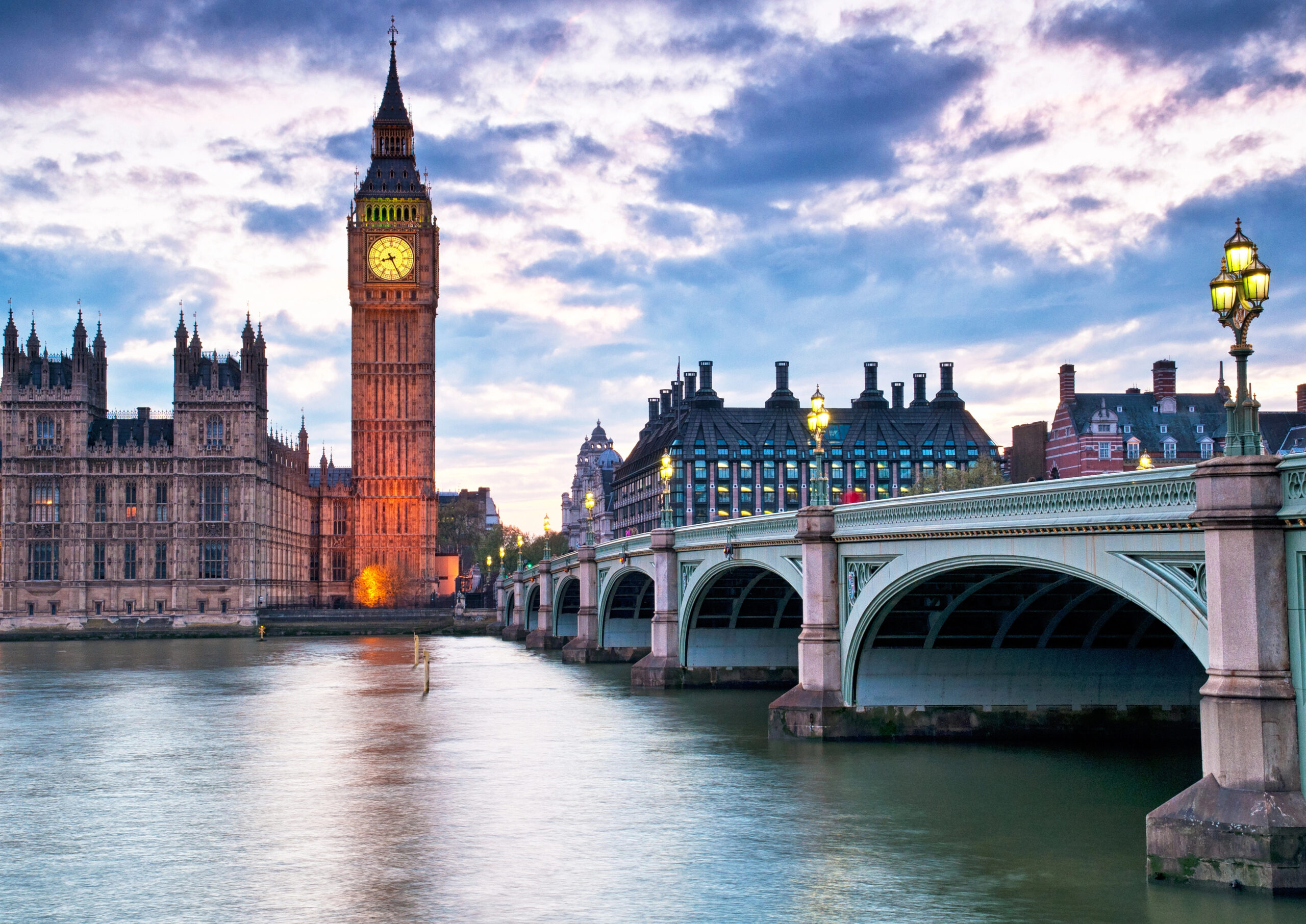

Travelers around the globe are always on the lookout for iconic landmarks that combine architectural beauty with historical significance. Clock towers fit this bill perfectly, offering not just timekeeping but also a glimpse into a location's culture and history. From ancient structures that have stood the test of time to modern marvels that touch the sky, these 15 clock towers are not just about telling time—they're about telling stories.
1. Big Ben, London (The chime that has a name)

The world-renowned Big Ben isn't actually the name of the clock or the tower—it's the nickname of the Great Bell within. Located at the north end of the Palace of Westminster in London, this iconic landmark is officially known as Elizabeth Tower since 2012. It stands at an impressive 96 meters tall, making it one of the most photographed structures in the UK. The clock's mechanism, over 150 years old, is a masterpiece of engineering. And, if you listen closely, its chimes follow a specific melody known as the Westminster Quarters.
2. Rajabai Clock Tower, Mumbai (A fusion of Venetian and Gothic styles)

Mumbai's Rajabai Clock Tower is a stunning blend of Venetian and Gothic architectural styles, standing tall within the University of Mumbai campus. Inspired by London's Big Ben, this tower was completed in the 1870s and named after the mother of its financier, Premchand Roychand. What makes it unique is not just its design but also its history—originally, it played 16 different tunes, including the British National Anthem. Today, it chimes every 15 minutes, captivating both locals and tourists alike. The tower also serves as a symbol of Mumbai's rich cultural and architectural heritage.
3. Philadelphia City Hall, USA (Taller than the Statue of Liberty)

Philadelphia City Hall, with its clock tower soaring to an incredible height of 548 feet, was the tallest habitable building in the world until 1908. Interestingly, it's still taller than the Statue of Liberty. The tower's clock faces are 26 feet in diameter, larger than those of Big Ben. This architectural marvel, completed in 1901, is a testament to the ambitions of its creators. It remains one of the most striking features of Philadelphia's skyline and a must-visit for architecture enthusiasts.
4. Makkah Royal Clock Tower, Saudi Arabia (Holding a world record)

The Makkah Royal Clock Tower isn't just another clock tower—it holds the record for the world's largest clock face. This towering structure is part of the Abraj Al-Bait complex, standing over 600 meters tall beside the Great Mosque of Mecca. It features four clock faces, each over 43 meters in diameter, visible from 25 kilometers away. The tower is not only an architectural feat but also a significant landmark for millions of Muslims worldwide. At night, the clock is illuminated by 2 million LED lights, creating a breathtaking sight.
5. Old Joe, Birmingham (The tallest freestanding clock tower)

Old Joe, located at the University of Birmingham, takes the title of the world's tallest freestanding clock tower, standing at 100 meters. Named after Joseph Chamberlain, the university's first chancellor, it's inspired by the Torre del Mangia in Siena, Italy. This clock tower is not just a timekeeper but also a beacon of academic excellence, towering over the campus as a symbol of inspiration. Its design has influenced other structures worldwide, including the Canberra's National Carillon in Australia. Despite its age, Old Joe continues to chime, marking the passage of time for students and faculty alike.
6. Zytglogge, Bern (A medieval timekeeper)

The Zytglogge tower in Bern, Switzerland, is a medieval marvel, serving as a city gate and a prison before becoming the iconic clock tower it is today. Its clock mechanism, dating back to the early 15th century, is one of the oldest in Switzerland still in operation. The tower's astronomical clock is a major attraction, featuring a revolving carousel of bears and a crowing rooster at each hour. Its intricate design and historical significance make it a focal point in Bern's Old City. The Zytglogge not only tells time but also stories of the past, captivating visitors with its charm and history.
7. The Peace Tower, Ottawa (A memorial in time)

The Peace Tower, standing at the center of Canada's Parliament Hill, is more than just a clock tower—it's a memorial to the Canadians who lost their lives during World War I. Completed in 1927, it reaches a height of 92.2 meters, making it one of the most prominent features of Ottawa's skyline. Its clock face, adorned with symbols representing the United Kingdom, France, and Ireland, reflects Canada's heritage. Inside, the Memorial Chamber holds books recording the names of Canadians who died in military service. The Peace Tower's chimes and carillon concerts continue to remind visitors of peace and sacrifice.
8. Saviour Tower, Moscow (A Kremlin highlight)

The Saviour Tower is not just any clock tower; it's the main tower of the Moscow Kremlin, featuring a clock known as the Kremlin chime. This historic tower, completed in the 17th century, stands as a symbol of Russia's rich history and power. Its clock was added later, in the 19th century, and has since become an essential part of Moscow's Red Square. The chime's melody, played every quarter hour, adds a layer of enchantment to the Kremlin's atmosphere. Visitors are often captivated by its blend of architectural beauty and historical depth.
9. Clock Tower, Venice (An astronomical wonder)

Venice's St. Mark's Clock Tower, overlooking the Piazza San Marco, is an exquisite example of Renaissance architecture. This tower, completed in the 15th century, not only displays the time but also the phases of the moon and the Zodiac. Its facade is adorned with a stunning representation of the Virgin Mary and baby Jesus, adding to its astronomical significance. Twice a year, on Epiphany and Ascension Day, the Magi figures emerge to bow before the Virgin, creating a captivating spectacle. This clock tower is a marvel, combining timekeeping with astronomical observation and religious symbolism.
10. Jin Mao Tower, Shanghai (A modern twist)

While not a traditional clock tower, the Jin Mao Tower in Shanghai represents a modern twist on the concept, combining architectural prowess with the essence of time. Standing at 421 meters, this skyscraper was China's tallest building upon completion in 1998. Its design, inspired by traditional Chinese pagodas, symbolizes China's emergence as a global economic power. The tower's 88th floor observation deck offers breathtaking views of Shanghai, making it a must-visit for anyone seeking a blend of contemporary design and cultural heritage. Though it lacks a clock face, Jin Mao Tower's presence in the skyline is a constant reminder of the passage of time and progress.
11. Elizabeth Tower, Adelaide (A gift of time)

Adelaide's Elizabeth Tower, often referred to as the Clock Tower of the General Post Office, was a gift to the city from Sir Edwin Smith in 1877. This historic landmark, standing proudly on King William Street, is a piece of Adelaide's colonial architecture. Its clock was made by the same company that produced the mechanism for Big Ben, linking it to its famous counterpart. The tower underwent extensive restoration to preserve its beauty and functionality for future generations. It serves not only as a timekeeper but also as a reminder of Adelaide's rich history and the generosity of its people.
12. The Glockenspiel, Munich (A Bavarian ballet)

Munich's Glockenspiel, nestled within the Marienplatz, offers a captivating show that draws crowds daily. This elaborate clock tower features 32 life-sized figures that reenact historical Bavarian events, including a royal wedding and a knights' tournament. The performance, accompanied by 43 bells, lasts about 15 minutes, making it one of the longest clock tower performances in the world. Installed in 1908, the Glockenspiel combines entertainment with history, offering a glimpse into Bavaria's rich cultural heritage. Its twice-daily shows continue to enchant visitors, making it a must-see in Munich.
13. The Clock Tower, Hong Kong (A colonial landmark)

The Clock Tower in Hong Kong is a poignant reminder of the city's colonial past. Standing at the southern terminus of the Kowloon-Canton Railway, it was part of the original Kowloon Station, which was demolished in 1978. This red brick and granite tower, completed in 1915, is all that remains of the station, serving as a historical landmark. It's a popular spot for tourists and locals alike, offering views of Victoria Harbour and Hong Kong's skyline. The Clock Tower is not just a structure; it's a symbol of Hong Kong's transition through time, from a British colony to a vibrant, modern city.
14. The Clock Tower, Jodhpur (A market watch)

The Clock Tower in Jodhpur, also known as the Ghanta Ghar, stands at the heart of the city, near the vibrant Sardar Market. This historic tower, built by Maharaja Sardar Singh in the late 19th century, is a focal point for both locals and tourists. Its location in one of the city's busiest markets adds to its charm, offering a glimpse into the daily life of Jodhpur's residents. The tower's intricate architecture reflects the traditional Indian style, making it a picturesque backdrop for photographs. As visitors explore the market's colorful stalls, the Clock Tower serves as a constant, reassuring presence, guiding them through their journey.
15. The Eastgate Clock, Chester (England's second most photographed clock)

After Big Ben, the Eastgate Clock in Chester claims the title of being the second most photographed clock in England. Perched atop the city's ancient Roman walls, this beautiful structure was erected in 1899 to celebrate Queen Victoria's diamond jubilee. Its distinctive wrought-iron work and ornate design make it a standout feature in Chester's historic cityscape. The clock's face, visible from various points along the city walls, has become an iconic symbol of Chester. Walking beneath its arch provides a tangible connection to the city's past, offering a moment of reflection amidst the bustle of modern life.
This article was written by a human and edited with AI Assistance