
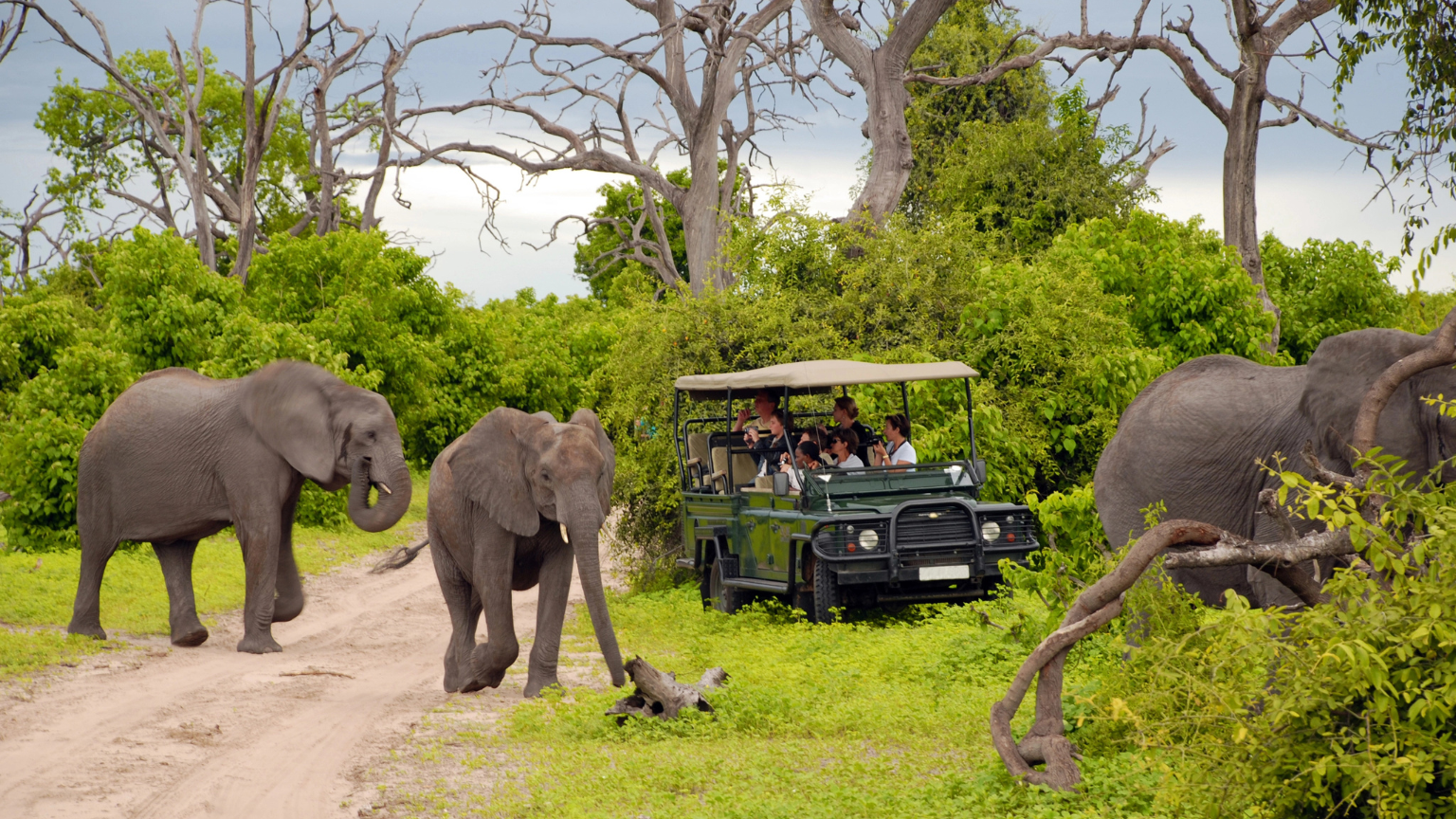

South Africa offers an unforgettable wildlife safari experience, even in the winter months. Planning a 5-day trip allows visitors to see iconic animals, enjoy crisp weather, and experience local culture without rushing. This framework focuses on manageable drives, ideal game reserves, and realistic daily schedules to make the most of limited time.
This guide covers a clear daily itinerary, including arrival and departure logistics. It also includes advice on where to stay, what to pack for winter safaris, and how to book activities ahead. The aim is to help travelers navigate costs, timings, and common challenges for a smooth, rewarding journey.
The Framework
This 5-day safari centers around the Kruger National Park region and nearby private reserves. The framework breaks down each day into key wildlife viewing sessions and travel between locations. Visitors will arrive in Johannesburg, head northeast toward safari areas, enjoy morning and evening game drives, and return comfortably before the trip ends.
Days 1 and 5 focus on travel and settling in. Days 2 through 4 are dedicated to game viewing in top spots such as the Sabi Sands Game Reserve and Kruger National Park sections offering diverse animal sightings. Early morning and late afternoon drives maximize wildlife encounters during cooler parts of the day.
Typical daily timing includes wake-up calls around 5:30 AM for 6:00 AM safaris lasting about 3 hours. Afternoon drives start after lunch around 3:30 PM and last until sunset near 6:30 PM. This schedule leaves midday for rest, meals, or optional activities like guided bush walks or bird watching.
Travel legs are designed to stay under four hours by car to avoid fatigue. Accommodation ranges from mid-range lodges costing $150 to $250 per night to high-end options exceeding $400, depending on preferences. Booking drives and lodges at least three months ahead is recommended to secure availability during peak winter seasons of June to August.
Day-by-Day or Step-by-Step
Day 1: Arrival in Johannesburg and Transfer to Hazyview
Land at OR Tambo International Airport in Johannesburg around midday. Arrange a shuttle or rent a vehicle for the 4-hour drive to Hazyview, a gateway town to Kruger and private reserves. Check into a lodge such as Perry's Bridge Hollow at about $180 per night. Dinner at the lodge prepares guests for early starts.
Key tip: Stock up on supplies in Johannesburg or Hazyview; small shops inside reserves can be limited.
Day 2: Morning Safari in Kruger National Park, Afternoon at Leisure
Rise by 5:30 AM for a door-to-door pick-up at 6:00 AM to enter Kruger. Join a guided game drive costing approximately $60 per person. Expect to see elephants, lions, buffalo, rhinos, and leopards—South Africa's Big Five. Return by 10:00 AM.
Afternoon rest or optional visits to local cultural sites in Hazyview. Dinner at lodge at 7:00 PM.
Day 3: Full-day Safari in Sabi Sands Private Game Reserve
Early breakfast at 5:00 AM. Transfer to Sabi Sands Reserve (about 45 minutes). Enjoy two game drives: 6:00 AM–9:00 AM and 3:30 PM–6:30 PM. Guides track wildlife closely, increasing chances to observe rare cats. Return to lodge late evening.
Costs here run about $200 per person per day including drives but exclude tips.
Day 4: Morning Bush Walk and Transfer to Lower Sabie Camp
Morning bush walk at 6:30 AM lasting two hours led by an armed ranger for close-up nature and smaller animals. Afterward, check out and drive to Lower Sabie Camp inside Kruger (approx 2.5 hours). Budget $40-$60 per night in the park's rest camps.
Evening game drive leaves from camp around 4:00 PM.
Day 5: Sunrise Drive and Return to Johannesburg
Sunrise game drive departs at 5:30 AM for 3 hours to catch early predators active in cooler weather. Return by 9:00 AM, then pack and check out.
Drive or shuttle back to Johannesburg (4-hour journey). Plan flights departing after 5:00 PM for stress-free transfers.
Pro Tips and Logistics
Booking park entry, safari drives, and accommodations well in advance is critical during winter peak season. Prices tend to rise between June and August, with park fees around $40 per day for international visitors.
Winter mornings and evenings can dip to 5°C (41°F), so pack layered clothing, including thermal shirts, waterproof jackets, gloves, and hats. Daytime temperatures often reach 20°C (68°F).
Camera gear with zoom lenses of 300mm or more helps capture distant game. Binoculars are a useful backup for spotting animals.
Self-driving is possible but learning park rules beforehand is essential. Many lodges offer guided drives, which provide local knowledge and safer viewing.
Carry cash in South African rand for park fees, tips, and small purchases; some reserves have limited card payment options. Also, be prepared for spotty mobile reception inside some game parks.
This article was written by Will and edited with AI assistance.