
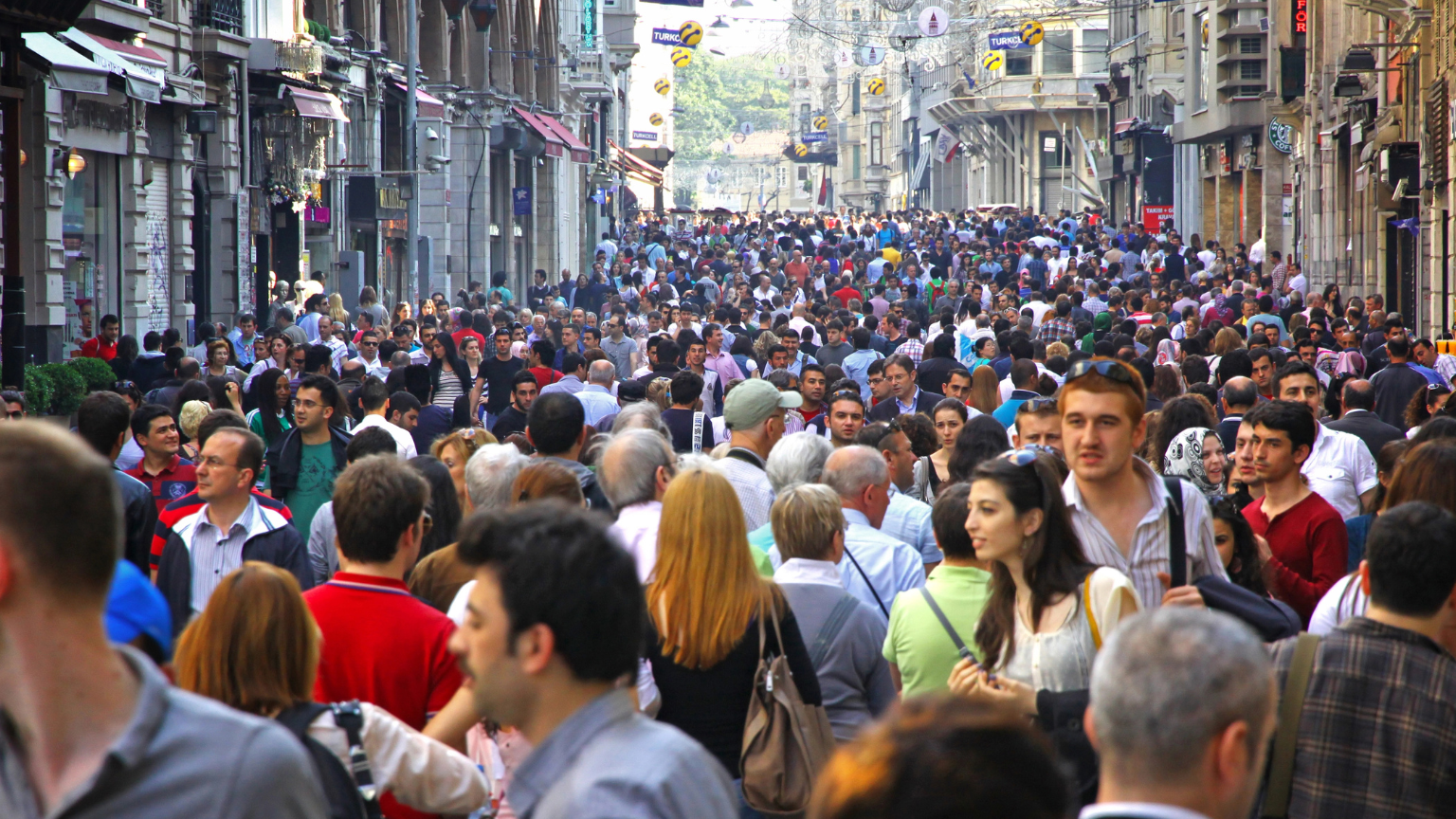

Tourism has come roaring back, and many cities are feeling it. Narrow streets jam up by midmorning, famous viewpoints turn into human traffic jams, and residents are increasingly vocal about overcrowding. Instead of relying on more signs and extra security, a growing number of destinations are turning to something else in 2025: smart tech and real time data.
From sensors in old town alleys to crowd tracking apps on your phone, cities are quietly rebuilding the way they manage visitors. You may not see every tool they are using, but you will definitely feel the result in how you move, when you book, and what a “busy day” actually looks like.
From Guesswork to Live Dashboards
Not long ago, crowd management in most destinations was based on gut feeling and past experience. City staff looked at last year’s numbers and guessed how busy this weekend might be. Now, many tourism boards and city halls are watching live dashboards that pull from multiple data streams at once.
These systems can include:
- Sensors that count people entering historic districts or waterfront promenades
- Anonymous location data from mobile phones that shows where visitors cluster
- Public transport and traffic feeds that reveal when key routes are close to overload
- Ticket and reservation systems that show how many people are heading to major attractions
On a busy day, that means a city can literally watch the color of a neighborhood change from green to red on a screen as streets fill up. That information goes straight to transit operators, police, tourism staff, and sometimes even to hotels and tour companies. Instead of reacting after the fact, they can redirect flows before things tip into chaos.
Timed Entries and Digital Caps
If you feel like you are making more reservations than you used to, you are not wrong. Timed entry tickets and hard daily limits have moved from a handful of famous sites to a growing list of museums, monuments, and scenic spots.
In practical terms, that looks like:
- Booking a specific hour to walk ancient walls or climb a popular tower
- Selecting a time slot to visit a fragile viewpoint or canyon
- Buying a combined ticket that spreads visitors across several attractions instead of one
Behind the scenes, the software adjusts how many slots are available based on what the city sees in its data. If a neighborhood is already swamped, managers can tighten the cap for that day or slow down new bookings. If weather or cancellations open up space, they can release more tickets at the last minute.
Travelers may grumble about having to lock in times, but the payoff is shorter lines, smoother security checks, and a better chance of actually seeing what you came for instead of shuffling along in a crowd.
Dynamic Pricing and Gentle Nudges
Smart systems are not just counting people. They are also changing prices and perks to nudge visitors away from the busiest moments. Instead of one flat rate, many cities and attractions are quietly experimenting with dynamic pricing.
You may see:
- Cheaper admission early in the morning or later at night
- Higher ticket prices during peak midday hours
- Discounts for visiting on weekdays instead of weekends
- Transit passes bundled with museum tickets to encourage off peak travel
The goal is not to punish anyone, but to spread demand out so that historic centers and sensitive sites are not slammed all at once. If enough people shift to earlier or later hours to save a few dollars, everyone who sticks with prime time will still find it more manageable than it used to be.
Apps That Steer You Away From the Crowd
One of the biggest changes visitors notice in 2025 is how many official apps and platforms are available for a single city. Many of them now act as real time guides rather than static brochures.
A typical city app might show:
- Live crowd levels at major squares, promenades, and sights
- Suggested walking routes that avoid the most congested streets
- Alternative viewpoints or lesser known museums nearby
- Alerts when public transport lines are crowded or delayed
Some destinations also use push notifications to spread people out. If a waterfront is approaching its limit, your phone might suggest a park, market, or viewpoint in another district, sometimes with a small discount attached if you go there instead.
For independent travelers, it can feel like having a local whispering better options in your ear. For the city, it is a way to protect fragile neighborhoods from being overwhelmed without putting up a physical barrier.
Smarter Cruise and Day Trip Management
Cruise ships and day trip buses can hit a city like a tidal wave. One vessel docking at 9 a.m. can put thousands of people on the street within an hour. Now, many ports and cities are using tech to smooth out those spikes.
Scheduling platforms let port authorities:
- Limit the number of ships or buses allowed to arrive on a single day
- Stagger arrival and departure times to avoid everyone disembarking at once
- Coordinate with city traffic systems and police before a surge hits
On your side of the experience, that might translate to very specific time windows for going ashore, more organized shuttle options, and slightly fewer ships on the horizon than a few years ago. It can feel more controlled, but also less overwhelming at peak times when multiple ships used to dump crowds into the same narrow streets.
Protecting Residents With Data, Not Just Rules
One of the biggest reasons cities are investing in smart systems is to protect quality of life for residents. They are not just watching tourist numbers at the main square; they are tracking what happens on side streets and in residential buildings too.
Examples include:
- Monitoring noise levels in nightlife districts and flagging problem blocks
- Cross checking short term rental listings with housing records to spot illegal apartments
- Tracking late night traffic and taxi flows to see where complaints are coming from
- Watching for overcrowding on transit lines that locals rely on to get to work
When patterns pop up, cities can respond with targeted measures instead of blanket bans. That might mean stricter enforcement on a handful of streets, fines for landlords who dodge regulations, or time limited restrictions on outdoor music in specific zones.
The idea is to avoid turning entire districts into theme parks while still welcoming visitors. Locals may not feel every improvement right away, but the goal is a balance that keeps them in the city instead of pushing them out.
Privacy Questions and Pushback
Of course, all of this data and tracking raises real concerns. Travelers and residents alike sometimes feel uneasy about how much information is being collected about their movements, even if it is anonymized.
Questions cities are wrestling with include:
- How long to store data and who can access it
- Whether third party companies can use it for marketing
- How transparent they should be about exactly what they track
- How to make sure crowd tools do not unfairly target certain neighborhoods or groups
In some places, people have pushed back against new camera networks or apps that feel too intrusive. Smart crowd management only works over the long term if people trust the system, so cities are having to learn how to explain what they are doing and why in plain language.
What Travelers Actually Notice
From a traveler’s point of view, all of this technology shows up in small but noticeable ways. In 2025, you are likely to:
- Reserve more time slots instead of just turning up
- Scan more QR codes to enter districts, attractions, or ticketed viewpoints
- See digital signs warning about crowd levels or suggesting alternative routes
- Use official city apps for live updates instead of relying only on guidebooks or generic maps
Sometimes, these changes can feel like friction—especially if you are used to spontaneous wandering. On the other hand, when a city’s systems work well, you spend less time stuck in lines, more time actually seeing things, and fewer evenings scrolling through complaints from locals about how visitors are “ruining” their neighborhood.
How to Travel Smart in Data-Driven Cities
If you are visiting a destination that is leaning heavily on smart tech, a few simple habits can make your trip smoother and more respectful:
- Download the official city or tourism app before you arrive
- Book popular sights in advance, especially if you are traveling in peak season
- Pay attention to crowd alerts and be open to exploring alternative neighborhoods
- Travel off peak when you can, both for attractions and public transport
- Remember that many of these systems exist to keep the city livable for the people who call it home
Tech on its own will not solve overtourism, but it is reshaping how cities and visitors share the same space. In 2025, the places that manage crowds best are often the ones treating data as another form of infrastructure, right alongside their buses, bridges, and water pipes.
For travelers, that means the “smart city” is no longer just a buzzword. It is the quiet force deciding whether your afternoon in a historic square feels like a holiday postcard or like standing in line at a theme park.
Follow us on MSN for all your travel and lifestyle tips.
This article was written by Hunter and edited with AI Assistance