

For a long time, ghost towns were the forgotten corners of the map. Abandoned mines, empty main streets, and crumbling storefronts sat quietly while travelers sped past on highways to somewhere else. Now, many of those same places are turning on the lights again. Instead of trying to become traditional towns, they are reinventing themselves as living museums, quirky getaways, and creative labs for new kinds of tourism.
If you have ever driven through a dusty main street and wondered what it would look like with life back in it, you are not alone. Local communities, entrepreneurs, and preservationists are asking the same question and turning ghost towns into some of the most unusual travel experiences out there.
From Abandoned To “Booked Out”
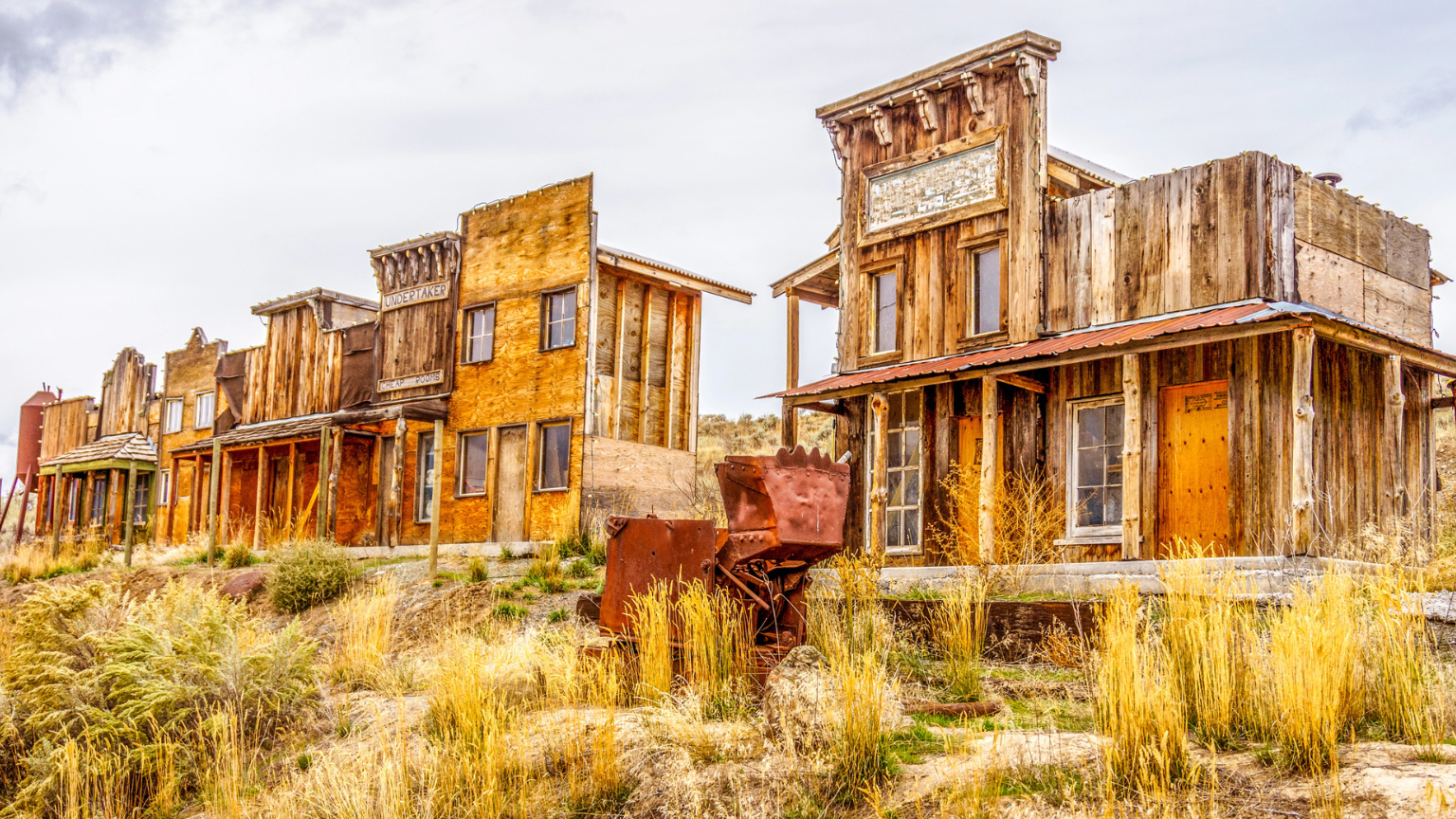
Ghost towns fall into that strange in between space. They are not exactly ruins, but they are not functioning towns either. Many were built in a rush during gold, silver, or coal booms, then emptied almost overnight when the money disappeared. What is left today can be eerie and beautiful at the same time. Weathered wooden saloons, rusting machinery, old schools, and rows of homes with curtains still in broken windows.
Instead of letting those remains collapse, some communities are treating them as a resource. A ghost town already has a story to tell. It has architecture, artifacts, and a layout that shows how people lived when the town was thriving. With some careful stabilization and creative thinking, those features can become the backbone of a tourism experience. In some places that means simple daytime visits. In others it means full overnight stays where you sleep in restored buildings and watch the stars above a town with almost no modern light.
Heritage Tourism With A Twist
The most traditional way ghost towns join the tourism world is through heritage projects. Local governments or preservation groups step in to protect historic buildings, add interpretive signs, and sometimes offer guided tours. Visitors can then walk through old main streets, step into former hotels or courthouses, and see mining equipment up close.
What is changing now is how those stories are presented. Instead of dusty glass cases and long blocks of text, more sites are leaning into personal stories and sensory detail. You might hear recordings of letters, see projections of old photos on building walls at night, or follow a self guided trail that focuses on the lives of women, children, and workers instead of just owners and investors. Many ghost town projects are also being pushed to tell a fuller story that includes Indigenous communities and environmental costs, not just the romantic frontier version.
For travelers, that shift makes visits feel more like stepping into a layered narrative than just checking off a set of ruins.
Overnight Stays In Towns With No Neighbors
One of the most intriguing trends is the idea of “book the whole town.” In some places, investors have bought most or all of the remaining buildings in a ghost town and turned them into a cluster of guest rooms, cabins, and common spaces. The water and electricity are back on, but the setting still feels remote and removed from modern life.
Guests might stay in a restored general store, a former boarding house, or minimalist cabins built to blend in with the old main street. Days are spent hiking, riding horses, or poking around abandoned mine roads. Nights are about campfires, stargazing, and the strange sensation of knowing that your group is the only one in town.
For people who have done the classic resort stay and want something more unusual, renting part or all of a ghost town can feel like a dream. It is especially popular for small weddings, retreats, photo shoots, and milestone birthdays where the backdrop matters almost as much as the event.
Creative Retreats And Remote Work Experiments
Ghost towns are also attracting a different kind of visitor. Not just tourists, but artists, writers, and remote workers who want to unplug from cities and plug into a slower rhythm. Some sites now host seasonal artist residencies or weeklong creative camps where participants stay in simple accommodation, share meals, and work on their projects in old schoolhouses or barns.
There is a certain appeal in trying to finish a screenplay in a town that once buzzed with miners and merchants. The silence is thicker. The stars are brighter. The distractions are fewer. At the same time, you can walk outside and instantly be in a landscape of mountains, desert, or prairie instead of concrete and traffic.
A few ghost town projects are testing the idea of longer stays for remote workers. The idea is to provide basic infrastructure like reliable internet and safe housing, while keeping the rest of life simple. It is a way to bring in economic activity without pretending the town is going to grow back into a full modern community.
Film Sets, Festivals, And Immersive Events
Because ghost towns already look like sets from a movie, they naturally attract film crews. Westerns have used real ghost towns for decades. Now, some owners are building on that history and turning them into flexible event spaces that can flip between filming, concerts, and immersive experiences.
Imagine arriving for a weekend where the whole town is turned into a living game or story. Actors in period clothing might run saloons and shops. A band could set up in the old square. Pop up dining experiences can make use of open lots or repaired interiors. Guests might be given roles or missions to complete, weaving their own stories into the town’s backdrop.
These kinds of experiments blur the line between theme park and historic site, which can be controversial. Done poorly, they risk reducing real history to a shallow backdrop. Done thoughtfully, with strong guidelines and community input, they can fund preservation work and keep younger generations interested in places that might otherwise fade from memory.
The Benefits For Local Communities
When tourism is handled carefully, ghost town projects can bring real benefits to nearby communities. They create jobs in restoration, guiding, cleaning, food service, and event planning. They bring paying visitors to regions that may have lost their main industry decades ago. They also provide a reason to invest in roads, signage, and emergency services that nearby residents rely on too.
There is also a pride factor. Many people who grew up near ghost towns were taught to see them as symbols of failure. Now, as travelers show up excited to learn about those places, locals sometimes rediscover their own connection to family stories and regional history. Schools can use restored sites for field trips. Historians and archaeologists can use tourism funding to research and protect artifacts that might otherwise be looted or lost.
The Risks And Tensions
Of course, turning ghost towns into tourism experiments is not risk free. Too much development can erase the very atmosphere that made these places special. Heavy visitor traffic can wear down fragile wooden structures and scatter debris. Commercial pressures can push owners to focus on simple photo opportunities instead of deeper storytelling.
There are also social questions. Who gets to decide how a town’s story is told. Are descendants of former residents and Indigenous communities involved in planning. Are local people benefiting financially, or is money mostly leaving the region.
Travelers have a role to play here too. Choosing operators who respect local voices, staying on marked paths, and following rules about what you can and cannot touch or take all make a difference. A ghost town is not a prop warehouse. It is a real place with real history, even if no one lives there permanently anymore.
How To Visit Ghost Towns Responsibly
If you are tempted to add a ghost town to your next road trip, it helps to do a bit of homework first. Look up whether the town is on public land, part of a park, or privately owned. Many sites have official websites or information through regional tourism boards that explain hours, rules, and suggested donations or entry fees.
When you arrive, stay on paths and respect fences and signs, even if the perfect photo is just beyond them. Avoid climbing on old walls or structures that look unstable. Never take artifacts like bottles, tools, or personal items. They may seem small, but they are part of a bigger story that cannot be replaced.
If there is a local guide service, consider joining a tour. You will usually learn more in an hour with someone who knows the town than you would from wandering alone all day. Buying snacks, meals, or souvenirs in nearby communities also helps spread the benefits of your visit beyond the town itself.
The Future Of Ghost Town Tourism
As more people look for trips that feel unique and meaningful, ghost towns are likely to stay on the radar. They offer something that is hard to build from scratch. Authentic character, deep history, and a sense of standing at the edge of past and present at the same time.
The challenge will be keeping that magic while tourism grows. Some places will probably overdevelop and lose their appeal. Others will find a careful balance between access and protection, between storytelling and spectacle. As a traveler, you get to vote with your choices. Seek out the projects that respect both history and locals, and ghost towns will have a better chance of finding new life without losing their soul.
Follow us on MSN for all your travel and lifestyle tips.
This article was written by Hunter and edited with AI Assistance