
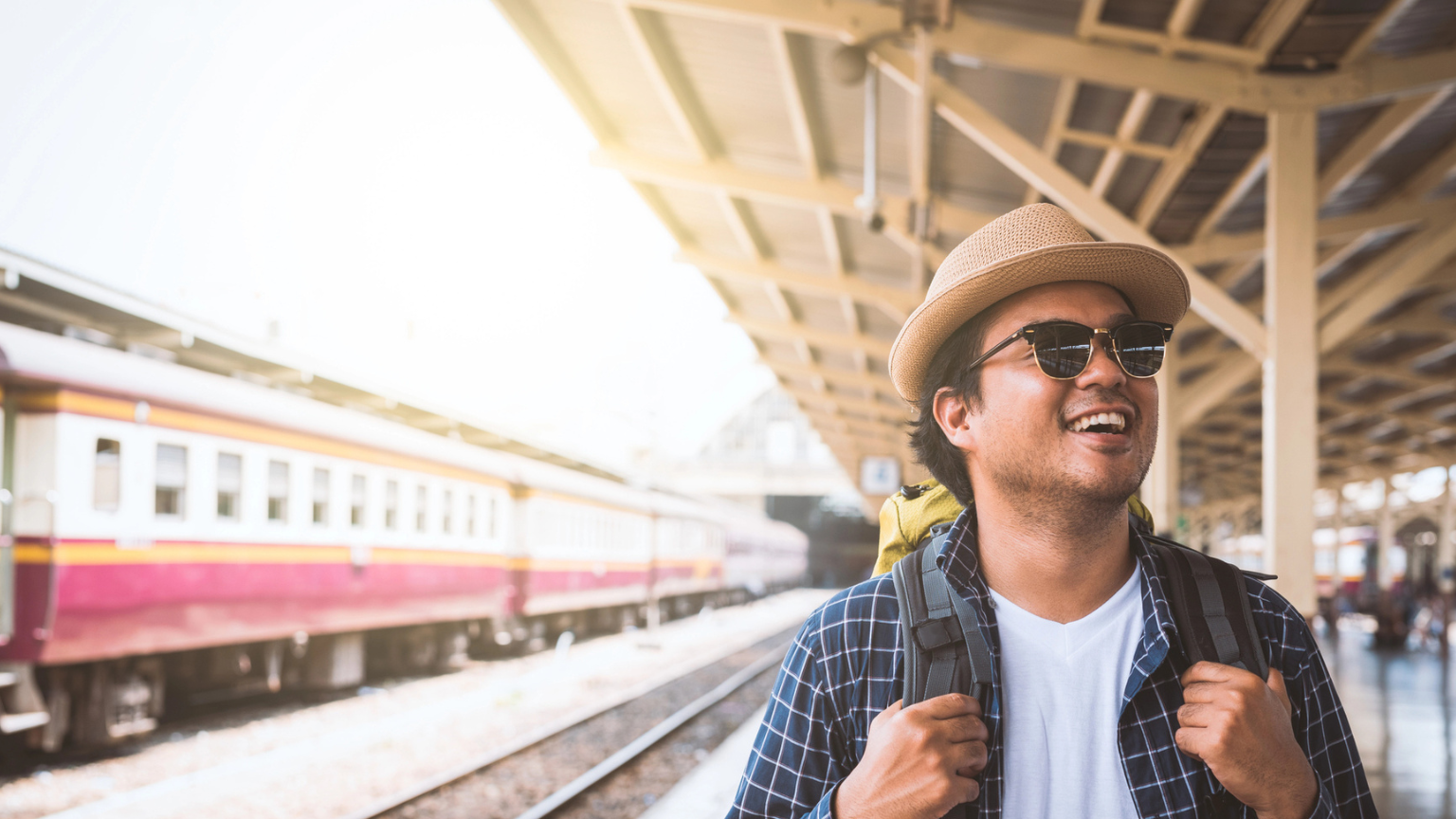

With just days left in 2025, a fresh year of travel is about to begin. For many of us, this is the sweet spot of winter when you start daydreaming, saving ideas, and quietly building a wish list for the months ahead. The travel industry has been thinking about 2026 for a while now, and the buzzwords are already piling up. Expect to hear phrases like “whycations,” “hushpitality,” “glowmads,” and even “shelf discovery” as travelers rethink what a great trip actually looks like.
Meaningful, Place-Driven Luxury
In 2026, luxury is shifting away from flashy and toward deeply local. Rob DelliBovi of RDB Hospitality Group says travelers aren’t necessarily going farther, they’re going deeper. The post-pandemic “bucket list” mindset is cooling off, replaced by trips that prioritize cultural immersion, authenticity, and a strong sense of place. That is one reason secondary cities and emerging regions are pulling more attention, with destinations like Bologna or Mérida offering richness without the same crowds.
This style of travel is also changing what people want from where they stay. Instead of feeling insulated from a destination, travelers increasingly want to feel part of it. Properties that reflect local history, craftsmanship, and the everyday rhythm of a place feel more valuable than generic luxury that could exist anywhere. In other words, the vibe matters, and it needs to match the setting.
Micro-Cruising
Big ships and whirlwind itineraries are losing ground to smaller, more personal cruise experiences. Susan Catto, head of Publishing, Canada for Travelzoo, says there’s growing interest in expedition cruising and river cruising in particular. One major reason is access: smaller ships can dock in ports that large ships simply cannot reach, which opens the door to more unique routes and less crowded stops.
Catto points to a Travelzoo survey conducted with MMGY Travel Intelligence that found ports of call were the top deciding factor for 75 to 77 percent of respondents across Germany, Canada, the U.S., and the UK. Food and onboard comforts still matter, but travelers are putting more weight on the overall feel of the experience. A more intimate ship, more remote stops, and a stronger sense of discovery are becoming new markers of cruise “luxury.”
Whycations
Luxury travel is also leaning into trips that have a clear purpose, not just a packed itinerary. Classic Vacations, in its first-ever Luxury Travel Trends Report, predicts growth in “whycations,” meaning travel with intention. Instead of racing through a checklist of must-see sights, travelers are choosing immersive itineraries, longer stays, and quiet, high-quality retreats designed to create connection and meaning.
A major offshoot of this trend is heritage travel, sometimes called “roots tourism.” More travelers are seeking ancestral destinations to better understand where they come from, often through multigenerational trips built around shared stories and family history. These journeys are less about “seeing everything” and more about feeling something real.
DelliBovi also expects this purposeful style to keep expanding. He says passive sightseeing is being replaced with hands-on experiences like truffle hunting in Tuscany, onsen rituals in Japan, and conservation-led excursions in places such as Belize or the Maldives. Voluntourism and impact travel are rising too, especially for multigenerational travelers who want the trip to mean something beyond relaxation. In 2026, the value of a trip is increasingly measured by what it gives back, whether that’s supporting reef restoration, wildlife rehabilitation, or community development. As DelliBovi puts it, the goal is meaning over mileage, coming home changed, not just rested.
Hushpitality
If you thought spa vacations were the peak of relaxation travel, 2026 may be even quieter. Another trend highlighted in the Classic Vacations report is “hushpitality,” which centers on calm, rest, and stepping away from constant stimulation. These are low-noise, low-pressure escapes designed for mental restoration, often with nature playing a starring role. The idea is less about doing more and more about finally exhaling.
Classic Vacations ties hushpitality to related concepts like “dead zoning,” which refers to device-free breaks, and “blue-mind” ocean escapes that use water and shoreline settings to encourage calm. Whether someone books a few days away or a full retreat, the point is the same: return home feeling reset and recharged.
Jay Wardle, president of Adara, expects this “recovery trip” mindset to grow even stronger. Adara analyzes billions of travel signals from more than 250 data partners, and Wardle says the demand makes sense given the current mood. With political tension, nonstop news cycles, social media fatigue, tighter budgets, and rising temperatures that keep people on edge, travelers are looking for relief wherever they can find it. That includes vacations built around slow pacing, gentle itineraries, and real downtime that soothes the mind as much as the soul.
Glowmads
Beauty is becoming a serious travel motivator, especially for Gen Z, and that momentum is expected to continue through 2026. Lourdes Losada, director of Americas for the flight research platform Skyscanner, says Gen Z is much more likely than Baby Boomers to plan trips around beauty-related activities. For many young travelers, skincare stores, treatments, and beauty shopping are not add-ons, they are part of the itinerary.
Losada says 40 percent of Gen Z travelers plan to seek out beauty treatments or skincare stores while traveling next year. TikTok is a major driver here, with beauty content inspiring not just what people buy, but where they go. For this crowd, travel plans can start with a product recommendation and end with a plane ticket.
Catch Flights and Feelings
Gen Z isn’t only traveling for content and aesthetics. Many are also using travel as a way to meet people and build connection outside their usual routines. Losada notes that 74 percent say they’re heading to new cities and destinations to meet people beyond their local dating pools. For them, travel is a social reset button, a chance to expand their world in more ways than one.
One third of travelers say they feel more open to meeting others while traveling, and they feel freer to be themselves in new environments. That makes sense: being away from home can lower the pressure and raise curiosity. In 2026, expect more trips planned around the idea that the destination is exciting, but the people you meet along the way might be the real story.
Shelf Discovery
One of the more unexpectedly charming trends for 2026 is “supermarket tourism,” also called “shelf discovery.” In plain terms, this is when travelers purposely visit grocery stores and convenience shops abroad, not because they have to, but because they want to. Losada says travelers are eager to discover foods they cannot get at home and sample unique flavors from international brands.
TikTok is amplifying this trend too, with viral videos turning everyday stops into must-do moments. Losada points to the surge in popularity around 7-Eleven visits in Japan, where travelers swing in to try items like the famous egg salad sandwiches. It’s a small thing, but it reflects a bigger shift toward everyday cultural experiences. Instead of only chasing headline attractions, travelers are also looking for the simple, local rituals that reveal how life really works in another country.
Rail Revival
Overland travel has been gaining ground for years, and 2026 may bring an even bigger push toward trains. Travelers are paying more attention to sustainability, and many want to reduce their carbon footprint as climate concerns intensify. Katy Rockett, regional director of North America for the adventure travel company Explore Worldwide, says rail journeys are becoming a more appealing alternative to short-haul flights.
Rockett says this growth reflects a wider preference for slower, more experiential travel. People want the journey itself to feel like part of the adventure, and trains make that easier than airports do. Rail travel can also create a stronger connection to the landscape, since you actually see the transitions between places instead of skipping over them at 35,000 feet.
Explore Worldwide data shows rail journey bookings have surged 25 percent year over year overall. Future rail bookings are up 41 percent compared with 2024, which suggests this is not a passing fad. Rockett says some of the fastest-growing trips include Simply Japan, up 42 percent year over year, India’s Kolkata to Amritsar journey, up 21 percent, and a Venice to Rome by Rail itinerary that includes Sorrento and the Amalfi Coast, up 22 percent.
Umbraphilia and Astrotourism
Astrotourism has been around for a while, but Rockett believes it will become even more popular in 2026, especially with eclipse travel in the spotlight. One reason is a major celestial event: a total solar eclipse is expected to arc across mainland Europe, marking the first time in nearly 30 years that the path crosses the continent in that way. That timing is fueling interest from travelers who want a once-in-a-lifetime spectacle paired with unforgettable destinations.
Rockett says eclipse travel combines cosmic drama with cultural discovery, which is exactly the kind of meaningful experience many travelers are chasing now. Explore Worldwide is seeing strong international interest in five tailor-made eclipse adventures to Spain, Iceland, and Greenland, all chosen for prime viewing conditions. About 75 percent of Explore’s bookings for Spain’s eclipse tours come from UK travelers, while half of the company’s Iceland eclipse departures are made up of U.S. travelers.
Rockett also points out just how quickly demand can spike for these kinds of trips. Explore’s first set of 2026 eclipse tours went on sale in May and sold out by mid-July, which signals real momentum. In 2026, “umbraphiles,” or dedicated eclipse chasers, may become a much more common sight on the road.
Sonic Sanctuaries
One of the most intriguing trends for 2026 is the rise of “sonic sanctuaries,” a form of sensorial travel that centers on sound. Tom Marchant, co-founder of luxury travel company Black Tomato, says travelers are increasingly seeking out experiences built around intentional listening. Instead of being guided by what’s visually iconic, the idea is to let your ears lead you into a place.
Marchant describes sound-driven moments like the call to prayer rising over Istanbul at dawn, monks chanting in Bhutan, quiet alms rounds in Laos, and a nocturnal jungle trek in Borneo led by the sound of wildlife. He also paints a vivid image of trekking through a Costa Rican jungle so dense you can hear the Pacific long before you see it. These aren’t just pretty descriptions, they are the foundation for an entirely different way of traveling.
Marchant notes that soundwalks, sound diaries, and global projects like Cities & Memory, which maps field recordings from around the world, are helping travelers tune in more intentionally. And this trend has a practical side too. He points to recent studies in tourism that link natural soundscapes to higher satisfaction and more pro-environmental attitudes, suggesting that listening closely can change how people value and protect a place. In 2026, sound may become one of the most underrated reasons to choose a destination.
The Big Takeaway for 2026
If you step back and look at all these trends together, a clear theme emerges. Travelers are moving away from frantic, checkbox-style travel and toward experiences that feel more personal, more grounded, and more restorative. Whether it’s a smaller ship, a slower train, a quiet retreat, or a trip guided by purpose, 2026 is shaping up to be less about doing the most and more about feeling the most. The trips that win next year may not be the loudest ones, but they will likely be the ones you remember longest.
Follow us on MSN for all your travel and lifestyle tips.
This article was written by Hunter and edited with AI Assistance