
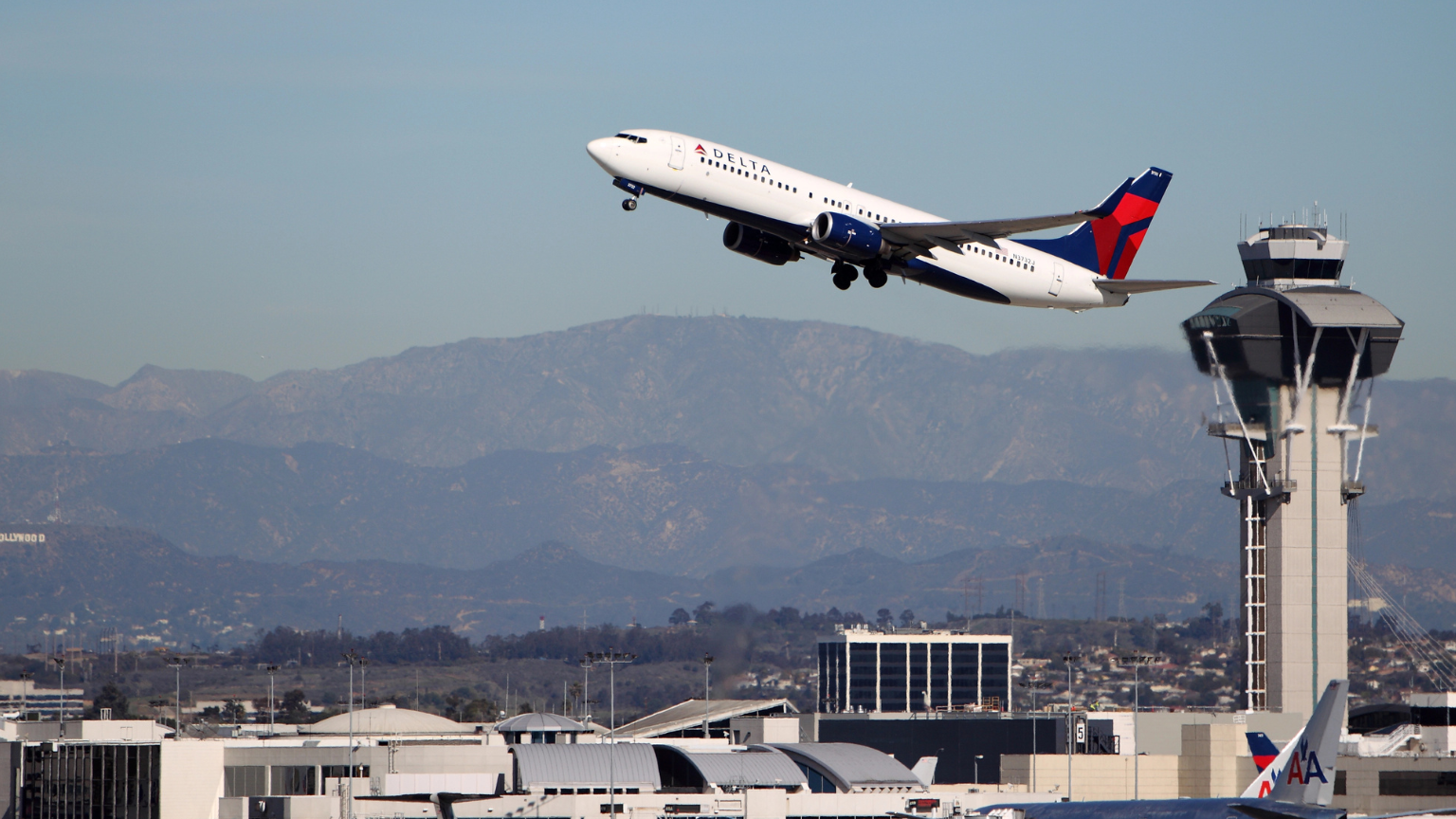

Delta is moving quickly to return to normal flying after the longest federal government shutdown in U.S. history came to an end on Wednesday night. Over the past several days, the airline has been managing a wave of cancellations and delays tied to FAA directives, air traffic control staffing shortages, and seasonal weather. With a new funding bill now passed, Delta is working with federal partners to stabilize its schedule, ease the burden on travelers, and get its operation back to full strength ahead of the busy holiday season.
Wednesday, Nov. 12 – 9:00 p.m.
Shutdown ends and Delta prepares to ramp back up
On Wednesday night, the U.S. House passed a bill that officially ended the longest federal government shutdown in history. In response, Delta released a statement thanking lawmakers for reopening the government and, most importantly, recognizing the federal employees who kept air travel moving throughout the crisis.
The airline expressed deep appreciation for air traffic controllers, TSA officers, and Customs and Border Protection agents who worked more than 40 days without pay to keep air travel safe and secure. Delta also highlighted its own employees, noting how they went the extra mile to support both customers and federal workers during the shutdown.
With the government now funded again, Delta says it plans to restore its operation to full capacity over the next few days. The carrier emphasized its commitment to delivering the high-end, reliable experience customers expect as it looks ahead to the upcoming holiday travel period.
Wednesday, Nov. 12 – 1:00 p.m.
Operation recovers after weekend disruptions
By early Wednesday afternoon, Delta reported that its operation had recovered from the disruptions that hit over the previous weekend. Those issues were largely driven by air traffic control staffing limitations, combined with seasonal weather challenges in Atlanta and other parts of the country.
Delta CEO Ed Bastian appeared on CNBC Wednesday morning to talk about the airline’s performance, its growth plans, and how the government shutdown has affected airline operations across the industry.
The airline continues to fly the vast majority of its schedule in close coordination with the FAA. Safety, Delta stressed, remains its top priority. All planned FAA-directed cancellations are now complete through Nov. 13, and with fewer air traffic control constraints in place, the carrier expects largely normal operations. Even so, Delta is keeping a close eye on the system and remains prepared to respond quickly to any new disruptions.
For travelers who dealt with flight changes or cancellations while flying to, from, or through affected markets, Delta is still offering added flexibility. Customers can change, cancel, or request a refund for their flights, including on Delta Main Cabin Basic tickets, without penalty during this travel window. Details about current travel waivers are available through Delta’s channels.
For the most up-to-date information, customers are encouraged to visit delta.com or use the Fly Delta app to check flight status and review their options.
Tuesday, Nov. 11 – 5:00 p.m.
Stable operation as Delta works through ATC-related delays
On Tuesday afternoon, Delta reported a stable operation as teams focused on helping customers affected by cancellations and delays caused by ongoing air traffic control constraints. The airline reiterated that safety continues to guide every operational decision.
Delta still expected to operate the vast majority of its flight schedule and remained in close coordination with the FAA. All FAA-directed cancellations were already planned through Nov. 13. However, the airline warned that additional delays or cancellations could still be necessary if air traffic control challenges continued across the National Airspace System.
To support affected travelers, Delta extended additional flexibility to customers flying to, from, or through impacted markets. During this period, they could change, cancel, or refund their flights, including Delta Main Cabin Basic fares, without penalty. Updated details on the travel waiver were made available through Delta’s information channels.
As always, customers were urged to check delta.com or the Fly Delta app for real-time status updates and available options before heading to the airport.
Monday, Nov. 10 – 12:00 p.m.
Hundreds of cancellations as Delta manages constraints and weather
By midday Monday, Delta teams were continuing to safely manage the operation and assist customers who were dealing with cancellations and delays. The airline confirmed that all FAA-directed flight cancellations through Wednesday, Nov. 12, had already been carried out.
As of 12:00 p.m. on Monday, Nov. 10, Delta reported approximately 280 cancellations on its mainline flights and about 215 cancellations on Delta Connection services. These disruptions came out of more than 5,200 Delta flights scheduled for that day.
Delta cautioned that further delays and cancellations could still occur as air traffic control constraints persisted within the National Airspace System. The airline was also working through typical seasonal weather issues while continuing efforts to fully recover its overall operation.
What Delta customers should know:
- Delta is offering extra flexibility for customers traveling to, from, or through affected markets to change, cancel, or refund their flights, including Delta Main Cabin Basic tickets, without penalty during this period.
- Customers should visit delta.com or use the Fly Delta app to check flight status, explore alternative flights, or review waiver options.
Sunday, Nov. 9 – 1:30 p.m.
Continuing FAA-directed reductions and Sunday disruptions
On Sunday afternoon, Delta issued another operations update. The airline continued to comply with an FAA directive requiring reduced flying at 40 U.S. airports. All FAA-directed cancellations through Tuesday, Nov. 11, were already in place.
However, growing pressures on the system meant that additional disruptions were expected. Ongoing air traffic control staffing shortages and related delay programs were creating compounding constraints, making further delays and cancellations likely throughout Sunday.
As of 12:00 p.m. Eastern time on Nov. 9, Delta had already canceled more than 320 mainline flights and 150 Delta Connection flights, with more cancellations anticipated. The airline underscored that canceling flights is always a last resort, only used after all other options have been exhausted.
What Delta customers should know:
- Delta is providing added flexibility for customers traveling through the affected markets to change, cancel, or refund their flights, including Delta Main Cabin Basic fares, without penalty during this travel period.
- Travelers should use delta.com or the Fly Delta app for the latest flight information and to adjust their travel plans as needed.
Saturday, Nov. 8 – 8:00 p.m.
Thunderstorms and staffing issues drive diversions and cancellations
By Saturday evening, Delta was dealing with a challenging mix of air traffic control staffing limitations and thunderstorm activity that developed during the afternoon. These factors created additional constraints for flights operating through Delta’s Atlanta hub.
Because safety is the first priority, nearly 30 inbound Delta flights were diverted to other airports across the southeastern United States. At the same time, air traffic control slowed the flow of aircraft throughout the National Airspace System, which triggered further delays and cancellations for Delta flights.
Beyond maintaining safety, Delta’s next focus was taking care of its customers. Teams concentrated on recovering diverted flights and ensuring the safe operation of remaining flights on Saturday night. The airline also cautioned that more flights might need to be canceled for Sunday, as required crew rest and aircraft being out of position would continue to affect the schedule.
For Saturday’s schedule alone, more than 200 Delta mainline flights and 180 Delta Connection flights had been canceled out of more than 4,200 planned departures, with additional cancellations expected. These figures also included earlier cancellations linked to the FAA directive related to the government shutdown.
Looking ahead to Sunday, more than 140 Delta mainline flights and 140 Delta Connection flights had already been canceled out of nearly 5,200 scheduled flights, and further cancellations were likely.
Customers were strongly encouraged to use the Fly Delta app or delta.com to get the latest information before heading to the airport. If a flight was canceled, travelers could receive email, text, or app notifications, which included automatic rebooking on the next best available itinerary. Customers could also make additional changes directly through the app or website.
Travelers whose flights were canceled and who chose not to travel were eligible to request a refund. Delta expressed appreciation for customers’ patience and understanding as the airline worked to get everyone to their destinations safely in a very challenging operating environment.
Saturday, Nov. 8 – 10:00 a.m.
Flight reductions at 40 major airports in response to shutdown
Earlier on Saturday morning, Delta confirmed that it was complying with a directive from the FAA and the U.S. Department of Transportation to reduce flying at 40 major U.S. airports starting Friday, Nov. 7. All FAA-directed cancellations through Nov. 10 had already been completed by this point.
In light of these reductions, Delta continued to offer extra flexibility for customers traveling to, from, or through the affected markets. Travelers could change, cancel, or refund their flights, including Delta Main Cabin Basic fares, without penalty during the designated travel period. Details about current travel waivers were made available through Delta’s channels.
Despite the cutbacks, the airline still expected to operate the vast majority of its flights as scheduled, including all long-haul international services. Delta stated that it was working hard to limit the impact on customers while maintaining safety as its top priority.
The airline pledged to provide as much advance notice as possible about any changes to flight schedules and apologized for the inconvenience these adjustments might cause.
Delta also made it clear that the reductions in flying were directly tied to air traffic control staffing shortages caused by the ongoing government shutdown. These measures were intended to protect the safety and stability of the broader National Airspace System while federal operations remained disrupted.
Follow us on MSN for all your travel and lifestyle tips.
This article was written by Hunter and edited with AI Assistance