

A Record-Breaking Season
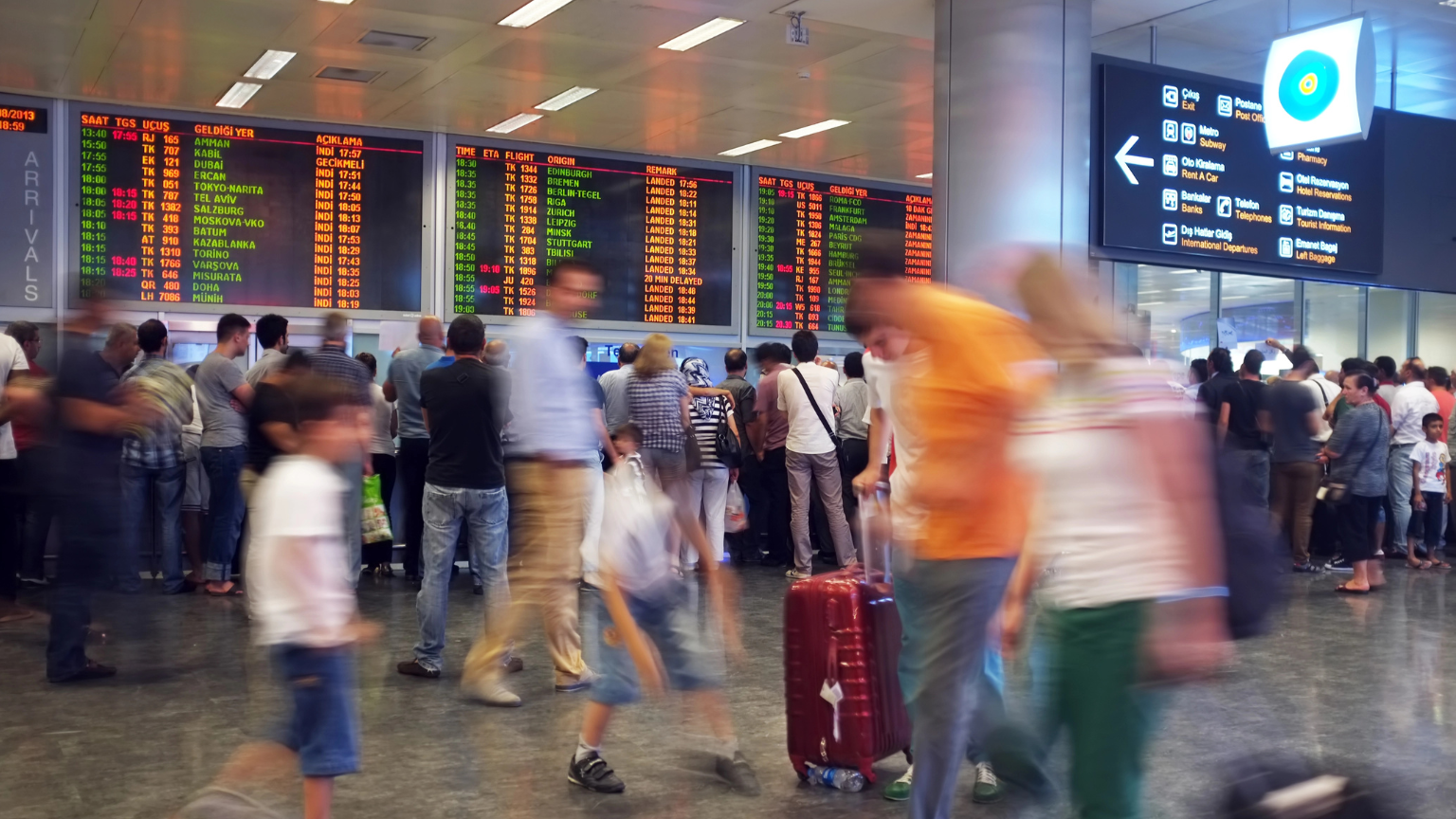
Global air traffic set a new record in summer 2025, marking another milestone in the industry’s recovery and growth. The International Air Transport Association (IATA) reports that airlines filled more seats than ever during August, even as carriers continued to add capacity. Despite economic jitters and geopolitical noise, demand kept climbing and travelers showed up in force across regions.
The Numbers at a Glance
IATA’s latest monthly snapshot highlights a steady, broad-based expansion:
- Traffic up 4.6% year over year: Measured in revenue passenger kilometers (RPKs), August demand outpaced 2024.
- Capacity up 4.5%: Airlines expanded available seat kilometers (ASKs) at nearly the same rate, keeping growth balanced.
- Load factor at a record 86%: With more seats and more travelers, carriers still managed to push the average cabin occupancy to an all-time August high.
These gains suggest airlines are calibrating schedules well and getting more productivity from each flight.
International Trips Lead the Charge
The strongest momentum came from international routes, where demand rose 6.6% compared with last year. Domestic markets grew more modestly at 1.5%, reflecting mature networks and fewer new seats to absorb. For travelers, this trend means more options and competitive fares on cross-border routes, while domestic flying remains steady rather than spectacular.
Industry Outlook: Growth With Caveats
IATA’s director general Willie Walsh called it a “new record high” for the northern hemisphere summer and noted that October schedules point to another 3.4% rise in capacity. The message is upbeat but practical. Airlines are squeezing more efficiency from fleets and operations, while manufacturers still face supply chain snags that can delay aircraft deliveries and keep spare parts tight. The headline growth is real; the execution remains a daily balancing act.
How Europe Performed
Europe posted a 4.2% increase in traffic in August, perfectly in step with a 4.2% rise in capacity. That symmetry helped carriers deliver a robust 87.9% load factor, one of the highest among major regions. Looking specifically at European-based airlines, monthly demand rose 5.3%, matching a 5.3% bump in capacity. In plain terms, schedules grew and travelers filled the seats.
Passenger Forecasts for 2025
A separate update from Airports Council International (ACI) World projects 9.8 billion global passengers this year, up 3.7% from 2024’s 9.4 billion. Regionally, Asia–Pacific remains the largest market and is on track for 3.6 billion passengers in 2025. Europe is expected to reach 2.5 billion, a 3.6% annual increase with international flying as the primary engine. ACI’s outlook underscores aviation’s role in mobility, trade, and tourism—while reminding policymakers to support connectivity and long-term resilience.
What This Means for Travelers
- More seats, fuller planes: Expect busy flights and high load factors during peak periods, with better availability if you book early.
- International sweet spot: Cross-border routes are seeing the most growth, which can translate into more frequencies and route choices.
- Operational realities: Strong demand does not erase supply chain challenges. Leave buffer time for tight connections and keep an eye on schedule changes.
The Bottom Line
Summer 2025 delivered a clear message. Air travel has not only bounced back—it is setting new records. International demand is powering the surge, Europe is holding its own with efficient schedules, and global passenger counts are on track to hit fresh highs by year’s end. With capacity still expanding and airlines sharpening their operations, the next few months should remain busy, connected, and increasingly competitive for travelers who plan ahead.
Follow us on MSN for all your travel and lifestyle tips.
This article was written by Hunter and edited with AI Assistance