
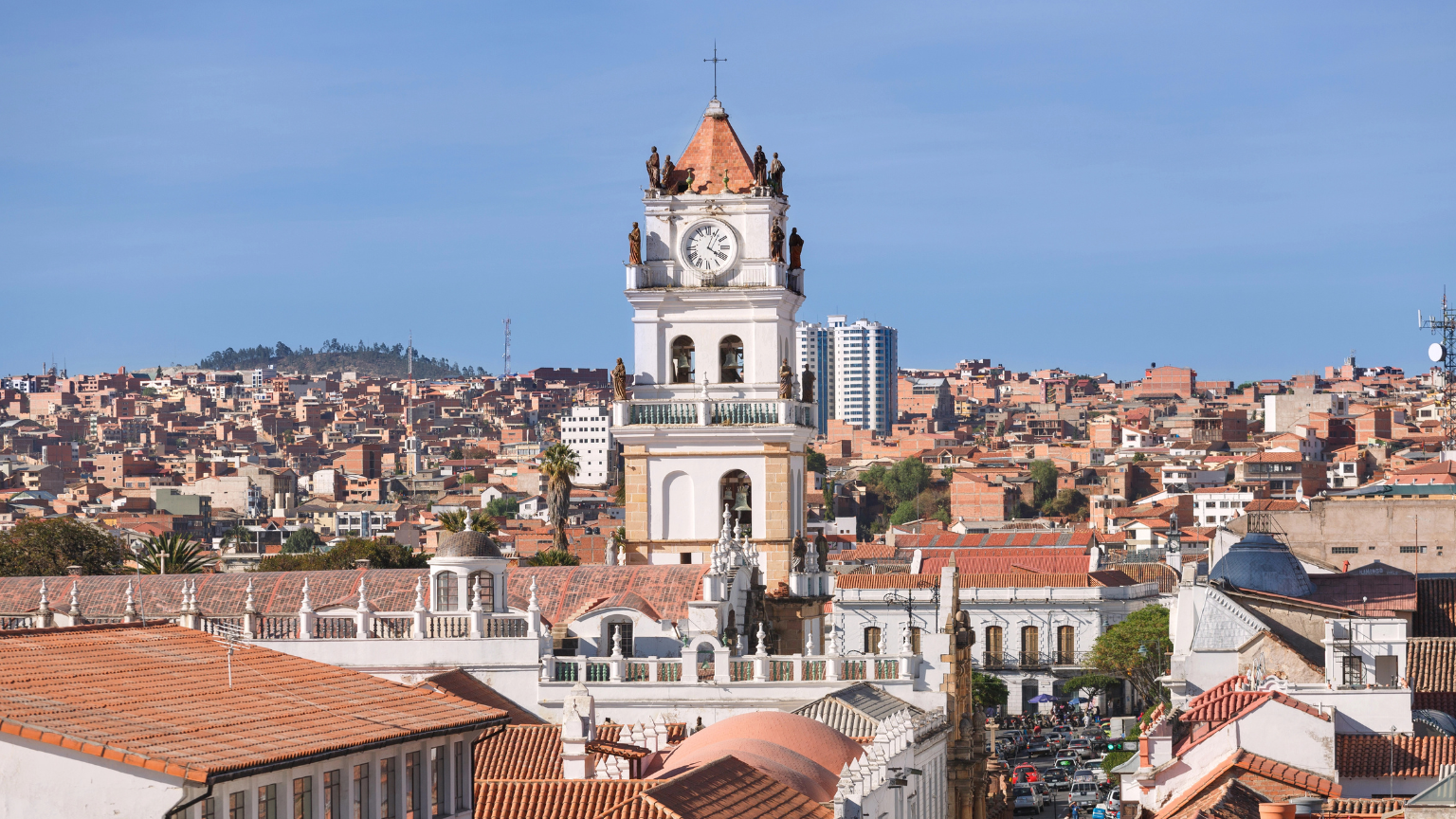

In Sucre, Bolivia, the clang of hammer on anvil echoes through a quiet alley late in the afternoon. An elder blacksmith, José Mamani, shapes molten metal into a ceremonial cross, painstakingly recreating a design passed down for generations. Around him, apprentice smiths work with focused intensity, preparing decorations for the city's upcoming religious festival. This moment offers a rare glimpse into a living tradition, where metalwork holds deep ties to faith, identity, and community.
The blacksmith guilds of Sucre represent more than craft mastery. They embody the persistence of ancestral knowledge within the fabric of Bolivian culture. Their work straddles history, religion, and social life, continuing pre-Columbian and colonial-era practices that shaped the region's spiritual landscape. For travelers, witnessing these guilds in action reveals a nuanced view of cultural heritage and the vital roles metalworkers play in Sucre’s communal celebrations.
The Living Tradition
Sintered with history, Sucre's blacksmith guilds trace their origins to indigenous and colonial periods. Meticulous records indicate that metallurgy in the Andes dates back over a millennium, with artisans crafting tools, weapons, and ritual objects. During colonial times, Spanish influence combined with indigenous artistry, producing metalworks that adorned churches and festivals.
Blacksmiths held a critical status, not only for practical trade but as cultural custodians. Their mastery extended into religious ceremonies where metal crosses, candleholders, and other ceremonial objects were essential. The designs often incorporated symbols from pre-Columbian pagan rites, preserved through centuries of syncretism blending Andean beliefs with Catholicism.
During Sucre’s religious festivals, notably the Festival of Alasitas and Corpus Christi, blacksmith guilds supply the intricate metal ornaments that embellish altars and processional items. These festivals retain strong ties to pagan customs documented on Bolivian culture records, wherein clothing and ritual practices recall the pre-Hispanic era.
Today, guild members uphold these traditions by teaching young apprentices the techniques of hand forging, welding, and metal embossing. This ongoing education safeguards ancestral craftsmanship, ensuring the art continues beyond mere utility toward cultural expression and spiritual significance.
The People Behind It
Meet Rosa Quispe, a third-generation blacksmith who began training at ten years old. She recalls watching her grandfather shape iron with awe, drawn by the rhythmic dance of fire and steel. Today, Rosa runs a small workshop where she crafts religious icons and tools used in local rituals.
Rosa stresses that blacksmithing in Sucre transcends craft. "We carry the spirit of our ancestors in every piece," she says. "The crosses and amulets we make are part of our community's identity. They connect us to the earth, to our history, and to each other." Her words echo findings from recent research highlighting how blacksmiths once held elevated social roles, revered for their knowledge and influence.
Another voice is Alejandro, a young apprentice learning to forge ceremonial weapons. He shares, "The work is hard, but it feels like I am part of something bigger. I am not just making objects; I am keeping a cultural promise. We respect the materials and the traditions that came before us."
The guilds foster community beyond craftsmanship. Monthly gatherings involve readings of oral history, discussions on preservation, and preparations for upcoming festivals. Members invite locals and visitors to observe their work and participate in workshops, offering hands-on experience under careful guidance. This openness helps raise awareness about the importance of metalworking traditions within the wider Bolivian cultural mosaic.
How to Experience It Respectfully
Sucre’s blacksmith guilds welcome visitors who approach with respect and curiosity. Travelers seeking authentic encounters should consider scheduling visits during the city’s many festivals. Participation in events like Corpus Christi allows observers to see metal artworks serving active ritual purposes rather than mere souvenirs.
Workshops provide structured opportunities to learn forging and metal embossing skills. These sessions emphasize the cultural significance of each technique and the care needed to avoid misuse. Visitors should avoid photographing individuals without permission, especially during sacred moments, to honor community privacy and spiritual customs.
Supporting artisan cooperatives directly benefits local blacksmiths, helping sustain their livelihoods and cultural heritage. Purchasing handmade items through official guild outlets ensures ethical sourcing and respects fair compensation. Travelers are encouraged to inquire about the symbolism behind objects to deepen their understanding.
Engaging with the guilds also involves recognizing the complex historical roots of their craft. The blend of indigenous, African, and colonial influences surrounding Bolivian metallurgy reflects centuries of cultural exchange and resistance. This awareness fosters a richer, grounded experience that honors both the art and the people behind it.
In sum, Sucre’s blacksmith guilds offer more than metalwork. They present a chance to witness a living tradition deeply woven into community identity and spiritual life. Through careful participation, travelers can connect with a culture that honors its past while forging its future in the glowing embers of the forge.
This article was written by Will and edited with AI assistance.