
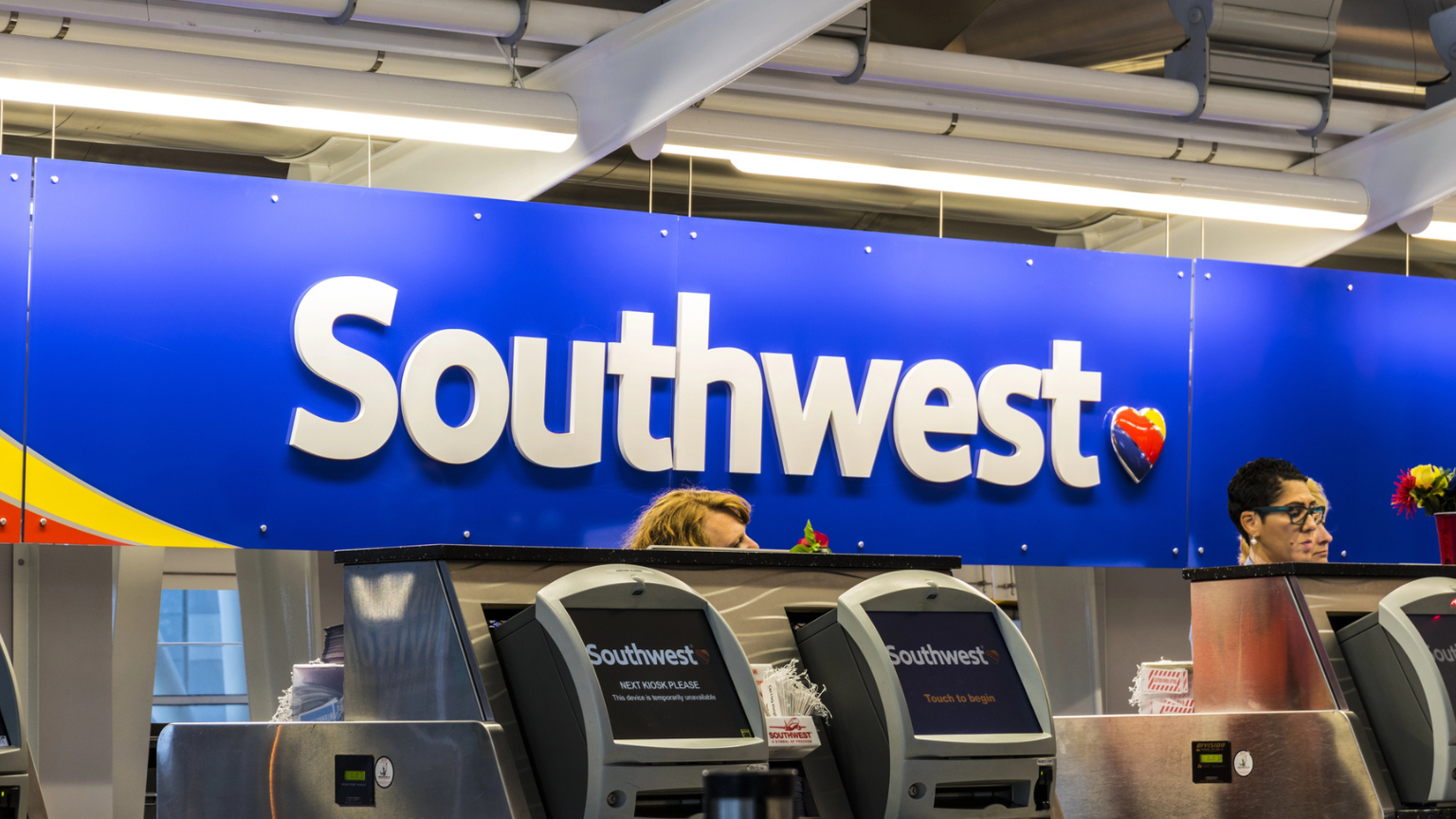

Southwest Airlines officially turned the page on one of its most famous traditions this week: open seating. On Tuesday, the airline rolled out assigned seats for the first time, ending a policy that had been in place for more than 50 years. The shift is more than a small tweak to boarding. It changes how people line up, how families plan, how overhead bin space gets fought over, and how the airline makes money from different seat types. On the first morning of the new system, the mood around the gates ranged from celebratory to irritated, sometimes within the same terminal. Some travelers felt relieved to finally know where they would sit, while longtime loyalists worried Southwest was becoming “just like everyone else.” After watching the rollout up close, one thing was clear: this is the end of an era, and the beginning of a whole new set of habits for Southwest flyers.
A Cheer Squad, a Chant, and a Very Different Boarding Line
At Dallas Love Field, a group of off duty Southwest flight attendants showed up near a boarding gate in bright white skirts and sneakers, holding pompoms like a mini pep rally. They chanted about assigned seats like it was a championship win, celebrating a major milestone for the company. Nearby, a gate agent had his own chant going, calling out “Group seven” as passengers waited for their turn. Instead of the old system where people lined up by letter and number and then grabbed whatever seat they could find, boarding now happened in eight numbered groups, plus a handful of priority categories. The hierarchy ranged from elite loyalty members and premium customers down to basic fares. Tuesday also marked the debut of new fare bundles and seat categories, including extra legroom seats, preferred seats, and standard seats. In other words, Southwest did not just assign seats, it introduced a more layered cabin system that looks a lot more like what travelers already see on other major airlines.
Reactions Were Immediate and Completely Split
The first day did not produce a single shared verdict. It produced two camps, both convinced they were right. One longtime Southwest customer, Denver based Alec Robinson, said the new setup frustrated him almost immediately. On his morning flight, preboarding passengers filled the overhead bins near the front of the plane, even if they were not sitting there, which slowed the boarding process as later groups searched for space. Robinson said he felt so annoyed he wanted to swear off Southwest entirely, even though he still had more flights booked.
A few gates away, Mari Ortiz, who lives in San Juan, Puerto Rico, had the opposite reaction. She said she was happy to see open seating go, especially for families traveling with kids or older relatives. She described a past flight to Orlando where a group of moms traveled with a dozen children, and passengers refused to shift around so parents could sit with their kids. To her, the old system created chaos and unnecessary conflict. To Robinson, the new system created new kinds of stress. Both reactions summed up the broader reality: assigned seating solves some problems, but it also introduces new ones.
Old Boarding Posts Are Disappearing, But the Memories Are Not
At some airports, the iconic Southwest boarding position posts have already been removed. Those tall columns once served as the airline’s signature symbol of order, with labeled slots that turned boarding into a timed competition. At Reagan National Airport in Washington, the posts were still standing, almost like a relic from a different era. The familiar markings that used to show the prized early positions and the dreaded late ones were now blank. The physical setup looked like it belonged to the old Southwest, even as the airline asked passengers to follow a brand new approach.
To see how the new system actually worked, the writer of the original report booked the first flight of the day from Washington to Dallas. The early morning crowd looked half awake, but Southwest staff sounded energized. A gate agent celebrated the “first day of assigned seating” over the loudspeaker and reminded passengers not to crowd the gate until their group was called. Staff also promoted the idea that priority boarding could be purchased, either through an agent or in the Southwest app, a detail that shows how the airline is reshaping boarding into a more monetized experience.
How Boarding Worked on Day One
Boarding started on time at 5:30 a.m. First came preboarding for customers with disabilities and families traveling with children under 2. Next, active duty U.S. military boarded in the priority group, along with passengers who paid for early boarding. After that, Southwest moved into the eight numbered groups, which were assigned based on fare type and loyalty status.
The writer did not buy a premium fare and did not have a Southwest credit card, but still ended up in Group 4. It may have been tied to being a Rapid Rewards member for years, but the exact reason was not entirely clear. That uncertainty matters because travelers quickly try to understand the rules, especially when seating and boarding advantages are involved.
To avoid extra charges, the writer did not pay to pick a seat at purchase. During online check in, the system allowed seat changes at no cost, and the initial assignment looked like it came with an empty row. The writer kept the assigned seat and boarded expecting extra space.
A Nearly Empty Cabin, a Full Row, and a Software Glitch
Once on board and buckled into seat 17A, the row did not stay empty for long. Other passengers moved in, and the row across the aisle also filled up. The strange part was that the rest of the plane looked mostly empty. It was the kind of moment that makes travelers look around and silently ask, why are we stacked together when there is all this space?
A flight attendant tried to spread passengers out using the new system, but the technology struggled. The writer was not showing up correctly, and other seats appeared incorrectly marked as occupied. The flight attendant apologized and said the system was not working the way it was supposed to. After about 20 minutes of trial and error, the crew managed to rearrange seating so passengers could spread out more, but it followed the new fare rules. There were no free moves into the extra legroom section, even on a mostly empty flight. In the end, the writer did get a full row, just not through a smooth, seamless process.
The Return Flight Felt Like the Real Stress Test
The flight back to Washington felt more like what most travelers imagine when they think of a busy travel day. The plane was packed, the cabin was loud, and the mood was a little tense. One passenger complained that boarding took about 45 minutes. Another responded that it was going to be a long flight. Even so, the writer felt the assigned seat was a net positive in that situation. Without a reserved window seat, the writer suspected they might have ended up stuck in a middle seat, especially with only mid level status.
That detail highlights the tradeoff Southwest is now making. The new system can create a more predictable experience for passengers who do not want to gamble. At the same time, it can also slow boarding and create new friction around bins, groups, and seat categories.
Why Southwest Finally Made the Switch
Southwest first revealed plans to move to assigned seating back in 2024. The airline’s leadership said research showed a strong preference for assigned seats, not only among existing customers but among people Southwest wanted to win over. The company also said that when customers leave Southwest for competitors, open seating comes up as the top complaint.
Aviation consultant Mike Boyd argued that open seating made more sense in Southwest’s early days, when flights were shorter and planes were less likely to be full. But as the airline expanded into longer trips, including routes to Hawaii, the idea of leaving your seat to chance became less appealing. He compared it to a potluck approach to seating that might be fine for a quick hop, but not for a long journey. Boyd also pointed out that modern Southwest travelers often deal with connections, and a tight connection can wreck your chances of landing a decent seat under an open seating system. In his view, the competitive race to check in the moment the window opened had turned into a ritual that bordered on obsessive. Assigned seats end that daily scramble.
Open Seating Had Fans, Critics, and Plenty of Drama
Southwest’s old system inspired strong opinions for years. Critics said passengers gamed the process by saving seats for people who had not boarded yet. Others complained about the ongoing debate around preboarding and the perception that some travelers abused it to board early. Meanwhile, frequent flyers learned how to work the system in their favor, either through loyalty perks or by treating check in time like a high stakes competition. Assigned seating reduces some of that drama, but it also shifts the advantage toward fare type and paid upgrades.
Southwest leadership has been open about another motivation: better revenue. Selling premium seat categories and bundling fares allows the airline to earn more per flight, a strategy already common across the industry.
Southwest’s Bigger Identity Shift Is Hard to Ignore
Assigned seats are only one piece of a broader transformation. Southwest has made other notable changes recently, including charging bag fees, tightening policies that used to be more flexible, and adjusting how refunds and fare rules work. One longtime customer, Jessica Ray, said some of the newer policies feel confusing and seem designed to push travelers into buying higher fares. Her frustration reflects what many loyal Southwest flyers feel right now: the airline that used to be proudly different is moving closer to the standard playbook.
Aviation consultant Robert Mann put it more bluntly. Airlines rely on multiple streams of revenue, from credit cards to seat selection to extra services, and Southwest moving in that direction makes it look more like its competitors. Mann also argued that Southwest is no longer the quirky low cost disruptor it once was, because it now competes directly with legacy airlines in a more crowded market.
The Bottom Line: Reliability Still Decides Everything
Even with all the debate, one point cuts through the noise. The long term success of this new era depends on whether Southwest can run the operation smoothly. Travelers will tolerate new seat rules, new groups, and even new fees if the flights run on time and disruptions are handled well. But if the experience becomes confusing, glitchy, or unreliable, the changes will feel like a downgrade instead of progress.
On day one, the rollout showed both sides of the future. Some passengers loved knowing their seat. Others missed the freedom and simplicity. Southwest is betting that structure, predictability, and new revenue options will outweigh nostalgia. The airline will find out quickly, because travelers are about to vote with their bookings.
Follow us on MSN for all your travel and lifestyle tips.
This article was written by Hunter and edited with AI Assistance