
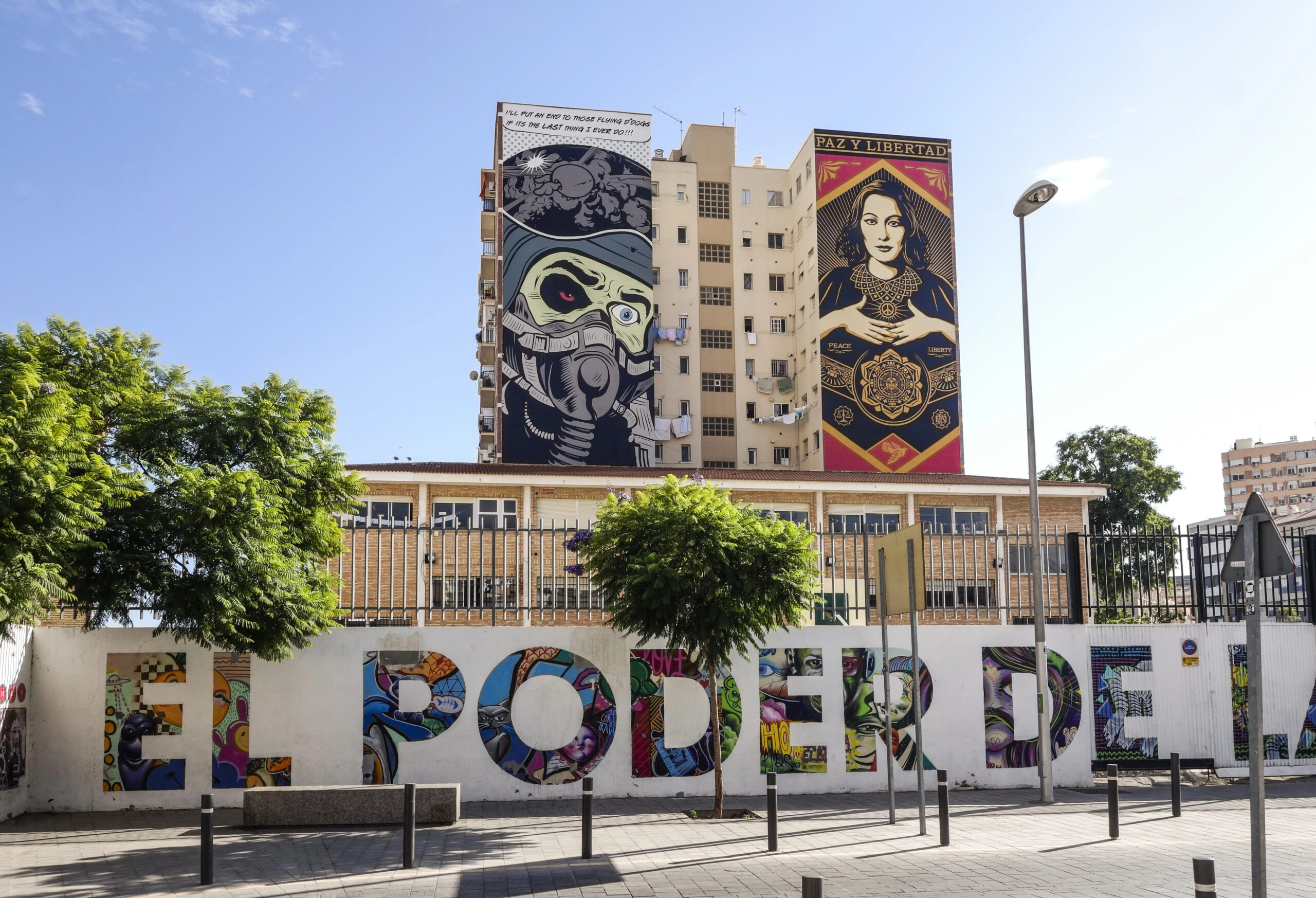

Across the globe, old industrial zones are shedding their gritty exteriors to embrace a new identity as vibrant art districts. These neighborhoods blend historical architecture with contemporary creativity, offering a unique cultural experience. From towering murals to avant-garde galleries, each district tells a story of transformation and resilience. They're not just places to see art; they're living canvases that invite visitors to step into an ever-evolving masterpiece.
1. SoHo, New York City (The Pioneer of Loft Living)

SoHo, with its iconic cast-iron facades, pioneered the trend of converting factory spaces into chic lofts and art galleries. In the 1970s, artists began moving into these spacious, yet affordable, industrial spaces, sparking a cultural renaissance. Today, SoHo is synonymous with fashion and art, boasting an impressive array of galleries, boutiques, and eateries. The neighborhood's cobblestone streets and historic buildings offer a picturesque backdrop for the sophisticated art scene that thrives here. Walking through SoHo, it's hard to imagine its humble, industrial beginnings amidst the upscale boutiques and world-class art galleries.
2. Wynwood, Miami (A Canvas of Murals)

Once a collection of warehouses and factories, Wynwood has transformed into one of the most colorful and photographed art districts in the world. The Wynwood Walls, an outdoor museum of international street art, is the centerpiece of this vibrant neighborhood. Artists from around the globe have adorned the walls of Wynwood with their dynamic murals, turning the district into a kaleidoscope of visual wonder. Beyond the murals, Wynwood boasts an impressive array of contemporary art galleries, craft breweries, and eclectic eateries. The neighborhood's transformation from industrial to inspirational is a testament to the power of creativity and community.
3. Le Marais, Paris (A Historic Quarter Turns Trendy)

Le Marais, with its narrow medieval streets, is an enchanting mix of old-world charm and contemporary cool. This historic Jewish quarter has seen a remarkable transformation into one of Paris's most dynamic art scenes. Boutique art galleries and studios are nestled among the beautiful historic buildings, offering a unique blend of the past and present. The neighborhood's fashionable boutiques and vibrant nightlife add to its appeal as a cultural hotspot. Le Marais exemplifies how history and modernity can coexist, creating a rich, artistic tapestry that attracts locals and tourists alike.
4. 798 Art Zone, Beijing (From Military Factory to Art Haven)

The 798 Art Zone in Beijing, located in a decommissioned complex of military factories, represents one of the most successful transformations of industrial space into a cultural hub. The area's Bauhaus-style architecture now houses a thriving community of artists, galleries, and design studios. Its wide, tree-lined avenues are perfect for leisurely exploring the contemporary art installations that dot the landscape. The district also hosts a variety of cafes, bookstores, and shops, making it a full-day destination for art lovers. The 798 Art Zone has become an essential part of Beijing's cultural identity, showcasing the potential for industrial spaces to foster creativity and community.
5. Distillery District, Toronto (A Blend of Heritage and Modernity)

Toronto's Distillery District, with its Victorian industrial architecture, offers a unique glimpse into the city's past while celebrating its present artistic spirit. This pedestrian-only village is home to one of the largest collections of preserved Victorian-era industrial architecture in North America. The area has been revitalized as a vibrant arts, culture, and entertainment destination, featuring galleries, studios, and performance spaces. Its charming streets are lined with artisan boutiques, gourmet restaurants, and trendy cafes. The Distillery District is a perfect example of how preserving historical integrity can provide a fertile ground for contemporary culture to flourish.
6. East London (A Tapestry of Urban Artistry)

East London is a sprawling canvas that showcases the best of urban art and creativity. Areas like Shoreditch and Hackney have become synonymous with street art, innovative galleries, and avant-garde theater. The once-derelict warehouses and factories now pulse with artistic energy, hosting everything from underground music venues to pop-up art installations. The neighborhood's gritty, industrial past provides a stark, yet beautiful, contrast to the vibrant cultural scene that has emerged. East London's transformation is a powerful narrative of renewal, proving that art can thrive in the most unexpected places.
7. Poblenou, Barcelona (From Textile Mills to Tech and Art Hub)

Poblenou, nestled in the heart of Barcelona, has evolved from a hub of textile mills and factories into a thriving district of innovation, art, and design. Its industrial buildings have been repurposed into studios, galleries, and co-working spaces, attracting a mix of artists, designers, and tech entrepreneurs. The neighborhood's transformation is most evident in the vibrant Rambla del Poblenou, a bustling street filled with cafes, shops, and public art. Poblenou's blend of traditional Catalan charm and contemporary flair makes it a unique cultural destination. This neighborhood exemplifies how industrial areas can reinvent themselves as centers of creativity and innovation.
8. Canal Saint-Martin, Paris (An Artistic Revival by the Water)

The Canal Saint-Martin area in Paris is experiencing a renaissance, transitioning from a forgotten industrial quarter to a trendy hotspot for art and leisure. Its picturesque waterways and iron footbridges provide a romantic setting for the burgeoning art scene that lines its banks. Independent galleries, ateliers, and vintage shops have sprung up, breathing new life into the once-neglected warehouses. The canal's banks are a popular spot for locals and tourists alike, offering a peaceful retreat from the bustling city. The transformation of Canal Saint-Martin embodies the spirit of Parisian innovation and the city's ability to reinvent itself.
9. Bushwick, Brooklyn (A Gritty Canvas for Urban Expression)

Bushwick, Brooklyn, has emerged from its industrial past to become a leading destination for street art and alternative culture in New York City. The neighborhood's warehouses and factory buildings now serve as canvases for ambitious murals and street art projects. Bushwick offers a raw, unpolished charm that attracts artists and creatives seeking affordable workspace and a sense of community. Its annual Bushwick Open Studios event allows visitors to explore artists' workspaces and engage with the local art scene. The neighborhood's transformation into an art enclave highlights the dynamic relationship between urban space and creative expression.
10. Maboneng, Johannesburg (A Bright Spot in Urban Renewal)

Maboneng, meaning "Place of Light" in Sotho, is a beacon of urban renewal in Johannesburg's city center. What was once a no-go zone of abandoned buildings has become a vibrant community of artists, entrepreneurs, and residents. The district boasts an impressive array of galleries, studios, boutiques, and restaurants, all nestled within repurposed industrial buildings. Maboneng's success story is not just about art; it's about creating a sustainable urban environment that fosters creativity and inclusion. This neighborhood serves as a model for how art and culture can drive urban regeneration, making cities more livable and inspiring.
This article was written by a human and edited with AI Assistance