
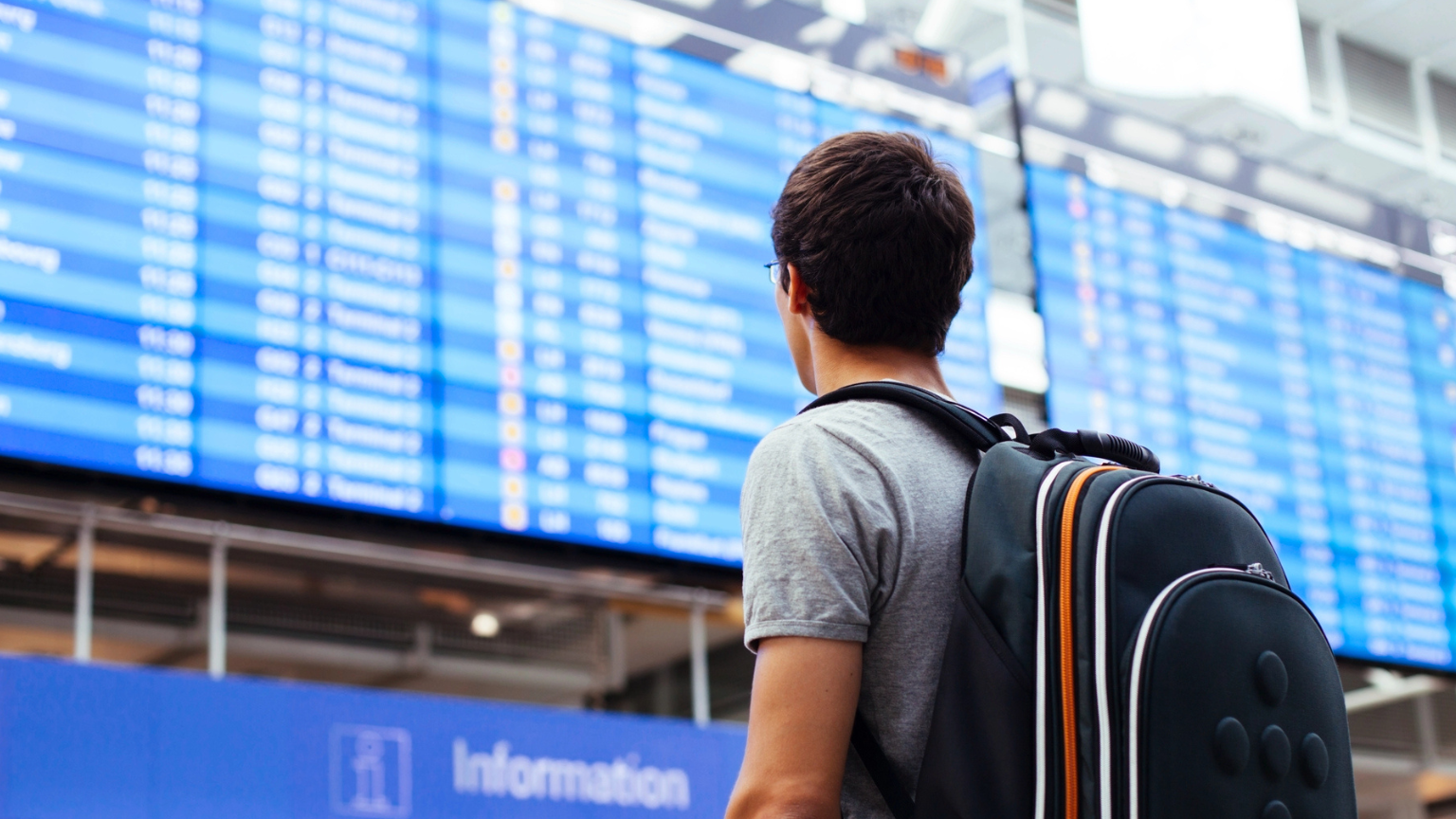

A wave of air traffic controller callouts strained staffing at major U.S. airports on Friday, with the New York City area hit hardest. The Federal Aviation Administration said roughly 80% of controllers in the region were absent, forcing the agency to slow the flow of airplanes to protect safety. Half of the nation’s 30 busiest facilities also reported shortages, creating ripple effects across the air travel system. With the government shutdown now in its 31st day, pressure is mounting on workers who must report to duty without pay and on travelers facing cancellations and long delays.
What Is Happening Right Now
The FAA reported a surge in controller callouts that pushed multiple facilities below normal staffing levels. To maintain safety, the agency reduced the rate of takeoffs and landings, which led to bottlenecks on the ground and in the air. New York area airports felt the brunt of the impact due to their heavy traffic and complex airspace. When a facility like New York slows down, delays compound across the network.
Where Disruptions Are Hitting
The shortages rippled beyond New York. FAA advisories flagged delays and staffing issues at major airports including Boston, Nashville, Dallas, and Newark. Hubs magnify the problem. Boston Logan serves as a key base for JetBlue, and Dallas Fort Worth anchors American’s network. When a hub throttles operations, passengers miss connections, baggage arrives late, and crews and aircraft end up out of position. A shortage at only a few pivotal facilities can spread delays nationwide.
Why Controllers Are Working Without Pay
Air traffic controllers are classified as essential employees. During a shutdown they must keep working even when paychecks stop. Controllers missed their first paycheck on Tuesday and typically receive back pay after the government reopens. The median controller salary is about $150,000, but new hires start closer to $50,000. For those early in their careers, weeks without pay can create acute financial strain. Many are drawing on savings or seeking temporary income to bridge the gap.
The Shutdown Context and Why It Matters
This stalemate echoes the 35 day shutdown that ended in early 2019, when mounting delays helped force a resolution. Controllers again find themselves bearing the strain. The FAA emphasized that the safest option during staffing shortages is to slow traffic, even if that frustrates travelers. Officials across the administration, including the Vice President and the Transportation Secretary, voiced concern about rising stress on the workforce and the potential for more disruptions if the funding impasse continues.
How Bad Are the Shortages Systemwide
Experts say the most severe staffing constraints affected a small fraction of the hundreds of air traffic facilities nationwide on Friday. Even so, the targeted nature of the problem does not limit its reach. Airports like New York, Boston, and Dallas sit at the center of dense webs of routes. When those nodes slow down, schedules unravel far beyond the immediate region. Aircraft and crews miss their planned cycles, which leads to rolling delays through the day and into the next.
Is It Safe to Fly During the Shutdown
Aviation safety remains the top priority. Industry veterans note that the very reason for delays is to preserve safety margins. When staffing is tight, controllers reduce throughput to match available personnel and workload. That keeps separation standards intact and traffic levels manageable. The tradeoff is unpredictability. Weather delays are often announced in advance, but staffing related slowdowns can appear with little warning, leaving travelers with limited time to adjust plans.
What Travelers Should Do Today
- Check flight status frequently and enable airline notifications.
- If connecting through a hub like New York, Boston, or Dallas, consider longer layovers to protect against missed connections.
- Rebook early when delays start to mount. Seats on later flights fill quickly when schedules compress.
- Travel with essentials in a carry on in case baggage gets delayed.
- If your plans are flexible, look for nonstop routes that avoid the most affected hubs.
The Bottom Line
Air traffic controllers continue to work without pay while the shutdown drags on, and more callouts are pushing key facilities below normal staffing levels. The FAA is slowing traffic to keep flying safe, but that choice means longer lines, missed connections, and cancellations for many travelers. Until funding is restored, the system will likely operate with less predictability, especially at the hubs that keep U.S. air travel moving.
Follow us on MSN for all your travel and lifestyle tips.
This article was written by Hunter and edited with AI Assistance