
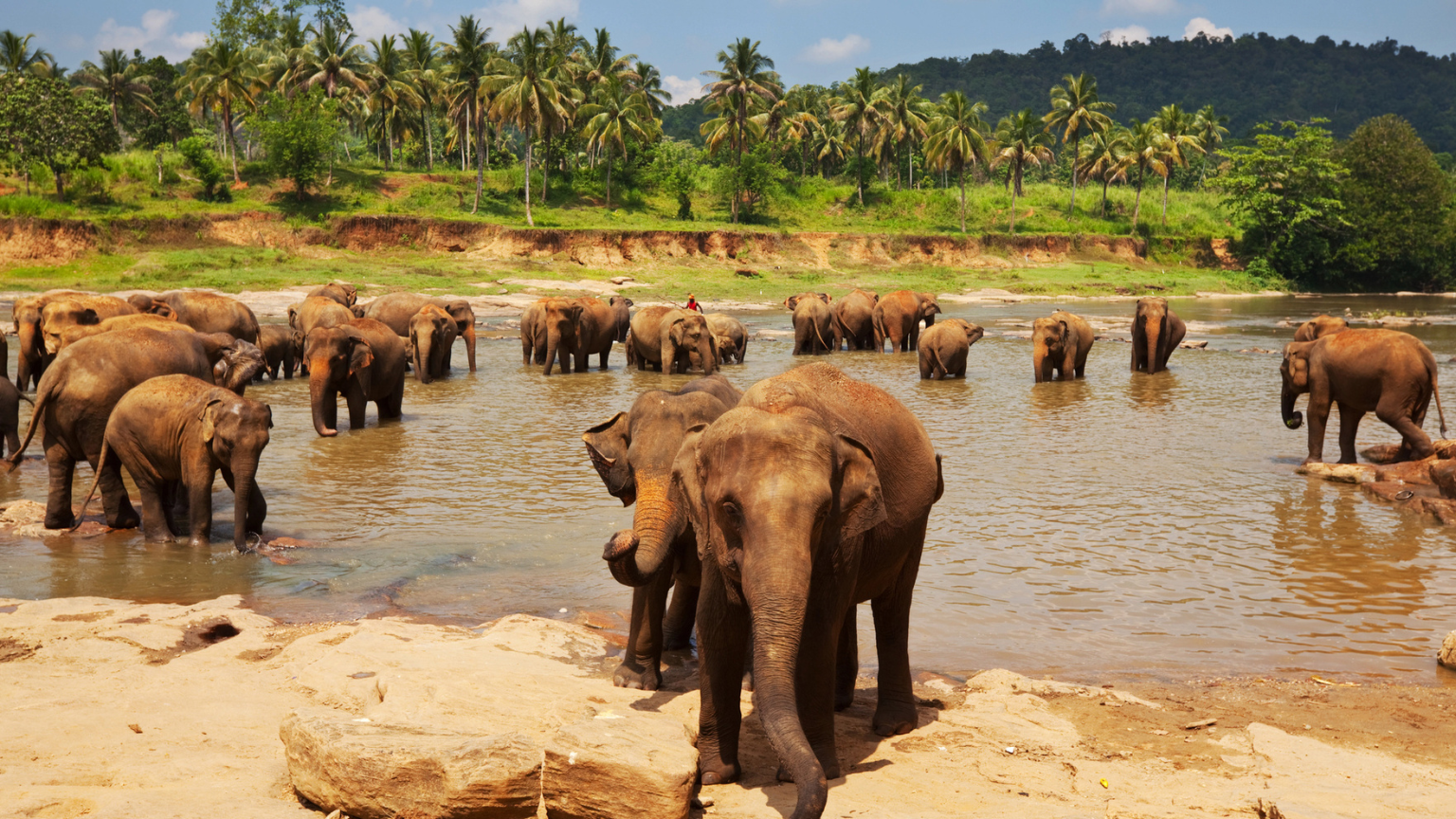

Sri Lanka is capturing global attention in 2025 for good reasons. This island nation blends rich cultural history with diverse wildlife and lesser-known coastal towns. Over 93,000 international visitors arrived in just the first two weeks of December, marking a record-breaking year.
Travelers now seek more than Colombo's urban appeal. Coastal and inland destinations like Ella and the Southern Belt draw those who want deep cultural experiences and nature. The island's mix of ancient temples, national parks, and pristine beaches offers plenty for every traveler.
When to Visit
The best time to visit Sri Lanka depends on the region. Generally, December to March is ideal for southern and western coasts, including Mirissa, Ahangama, and Galle. These months see less rain and warmer ocean temperatures.
The hill country around Kandy and Ella is best from January to April, offering clear skies for trekking and sightseeing. The eastern coast, including Trincomalee, attracts visitors mainly between April and September.
Travelers interested in festivals should consider January for the Nallur Kandaswamy Kovil festival in Jaffna or August for religious events. These offer cultural immersion with fewer crowds outside the south.
Where to Stay
Accommodation in Sri Lanka caters to all budgets and tastes. Colombo, the largest city, offers urban stays with a mix of luxury hotels and boutique options. The Galle Face Hotel in Colombo blends colonial heritage with modern comfort, perfect for city visitors.
For a quieter retreat, Kandy offers serene hill station hotels such as Theva Residency. Its views over the surrounding tea plantations provide a peaceful base to explore cultural landmarks.
The southern coast has numerous beachfront guesthouses and boutique hotels. Ahangama’s Kahanda Kanda hotel offers stylish villas just steps from the beach. Mirissa’s Mandara Resort provides direct ocean views along with access to whale-watching tours.
For backpackers or those wanting local insight, smaller homestays in towns like Weligama and Ella bring community connections and authentic hospitality.
What to Do
Exploring Sri Lanka means mixing cultural, wildlife, and outdoor adventures. The UNESCO World Heritage site Sigiriya is a must-see for its ancient rock fortress and panoramic views.
Wildlife lovers should visit Yala National Park, famed for its leopard population and varied fauna. For a quieter safari, Wilpattu National Park in the northwest offers similar wildlife encounters without the crowds.
Tea plantation trekking is popular in Ella and Nuwara Eliya. Trails lead through lush fields and small villages. Visitors can learn about tea production and enjoy fresh mountain air.
Along the southern coast, beaches are drawing travelers eager for sun and surf. Mirissa and Weligama are excellent for surfing, whale watching, and enjoying fresh seafood by the shore.
Historical and cultural sites like the Temple of the Tooth in Kandy and the colonial town of Galle showcase Sri Lanka’s heritage. The Galle Dutch Fort is a vibrant area with shops, cafes, and museums.
Where to Eat
Sri Lankan cuisine offers a range of flavors influenced by spices, coconut, and fresh seafood. Rice and curry dishes dominate, usually served with a variety of vegetable sides.
In Colombo, Ministry of Crab is highly recommended for its fresh crab dishes, frequently listed among Asia’s top seafood restaurants. The Ministry of Crab emphasizes local ingredients and innovative recipes.
Kandy’s Helga’s Folly brings a unique dining setting with eclectic decor and hearty Sri Lankan and international meals. On the southern coast, the Beach Street Mirissa restaurant offers excellent seafood with ocean views.
For street food, Matara markets provide local snacks like hoppers (fermented rice pancakes) and kottu roti (chopped roti with vegetables or meat). Sampling these is a must for visitors wanting authentic local tastes.
Getting Around
Transportation in Sri Lanka can be part of the adventure. Domestic airports link Colombo with key hubs like Jaffna, Ella, and Trincomalee. Flights save time but are less scenic than land routes.
The train rides, especially from Kandy to Ella, offer one of the world’s most scenic journeys through green hills and tea fields. Booking tickets in advance is recommended during peak seasons.
Buses run throughout the island and are cheap but may be crowded and slower for tourists. Hiring a private driver or car with a guide is popular for flexibility and comfort. This option costs around $50-$70 per day, depending on distances.
For short distances within towns or coastal villages, tuk-tuks are a convenient choice. They are easy to catch and offer personalized rides but be sure to agree on a fare before starting.
Lastly, renting scooters has grown in popularity in regions like Ella and the Southern Belt. This gives freedom to explore small villages and beaches but requires a valid license and cautious driving.
Sri Lanka’s growing tourism infrastructure and diverse attractions create great options. Whether visitors seek history, wildlife, or coastlines, the island sets itself apart in 2025 as a top destination for all types of travelers.
This article was written by Will and edited with AI assistance.