

Once bustling hubs of power and culture, many former capital cities have faded into the background of history, overshadowed by their modern counterparts. These cities, rich with history and stories of yesteryears, offer a fascinating glimpse into what once was. They hold the secrets of ancient civilizations, empires, and kingdoms, revealing the ever-changing nature of humanity's quest for leadership and community. Venturing into these forgotten capitals provides a unique insight into our collective past, an exploration of glory days that shaped the modern world.
1. Philadelphia, USA (First capital before Washington D.C.)

Before the monumental rise of Washington D.C., Philadelphia enjoyed the spotlight as the United States' first capital city following the nation's independence. This bustling metropolis was the heart of revolutionary activity, where the Declaration of Independence and the Constitution were debated and adopted. The city's rich history is palpable in its well-preserved architecture and the Liberty Bell, symbolizing freedom. Despite being eclipsed by Washington D.C., Philadelphia remains a treasure trove of American history, inviting visitors to walk the streets once roamed by the founding fathers. Its blend of historical significance and cultural vibrancy makes it a fascinating reminder of its former glory as the nation's capital.
2. Turin, Italy (The first capital of unified Italy)

Turin, known for its refined architecture and cuisine, holds the distinction of being the first capital of unified Italy in 1861. This often-overlooked city is nestled in the Piedmont region, offering a blend of Baroque buildings, old cafes, and museums, notably the Museo Egizio, second only to Cairo's collection of Egyptian antiquities. Turin's period as the capital was brief, moving to Florence and then Rome, but it played a crucial role in Italy's unification process. The city's majestic palaces and piazzas continue to tell the tales of its regal past, making it a captivating destination for history buffs. Turin's legacy as Italy's first capital adds a layer of intrigue to its already charming atmosphere.
3. Lagos, Nigeria (Replaced by Abuja for its central location)

Lagos, a vibrant megacity teeming with life, served as Nigeria's capital until 1991 when Abuja took over the role to provide a more centrally located administrative center. Known for its dynamic culture, bustling markets, and lively music scene, Lagos remains the economic powerhouse of Nigeria. The city's colonial heritage is visible in its architecture and the National Museum Lagos, which houses precious artifacts from Nigeria's rich history. Despite no longer being the political capital, Lagos continues to be the heart of Nigeria's socio-economic activities. Its transformation from a former capital to a thriving cultural and economic hub is a testament to the city's resilience and enduring appeal.
4. Bonn, Germany (Capital of West Germany during the Cold War)

Bonn, situated along the Rhine River, played a pivotal role as the capital of West Germany from 1949 until reunification in 1990, when Berlin regained its status. This quaint city is steeped in history, offering a stark contrast to Berlin's bustling atmosphere with its laid-back charm and cultural richness. Bonn is celebrated as the birthplace of Ludwig van Beethoven, with his house now a museum dedicated to his life and work. The city also hosts several institutions and UN offices, maintaining its importance on the international stage. Bonn's contribution to Germany's post-war history and its continued relevance in global affairs make it a fascinating visit for those interested in modern history.
5. Kyoto, Japan (Over a thousand years as Japan's capital before Tokyo)

Kyoto served as Japan's imperial capital for more than a millennium before the title was transferred to Tokyo in 1868. This city is a living museum, home to over a thousand temples, including the famous Kinkaku-ji (Golden Pavilion) and the serene Ryoan-ji rock garden. Kyoto's preservation of traditional Japanese culture is evident in its tea ceremonies, geisha district of Gion, and annual festivals that continue to attract visitors from around the globe. Unlike many cities that modernize at the expense of their past, Kyoto embraces its history, offering a peaceful retreat into Japan's ancient traditions and aesthetics. Its enduring beauty and cultural significance make Kyoto a testament to the lasting glory of Japan's former capitals.
6. St. Petersburg, Russia (The imperial capital for over two centuries)

St. Petersburg, with its network of canals and baroque buildings, served as the imperial capital of Russia for more than 200 years before Moscow took precedence after the Russian Revolution. Founded by Tsar Peter the Great, the city was intended to serve as Russia's window to the West. Today, St. Petersburg is renowned for its magnificent Hermitage Museum, housing a vast collection of art and antiquities, and the ornate Winter Palace. The city's architectural and cultural landscape reflects its storied past and its role in shaping Russian history. St. Petersburg's enduring charm and historical significance continue to mesmerize visitors, solidifying its place as a jewel in Russia's cultural crown.
7. Rio de Janeiro, Brazil (The capital before Brasília's futuristic design took over)

Rio de Janeiro, famous for its carnival, Copacabana, and Christ the Redeemer statue, served as Brazil's capital until 1960, when Brasília was inaugurated. The city's vibrant culture and breathtaking natural landscapes make it hard to believe that it was once the center of political life in Brazil. Rio's colonial past is visible in its churches and monuments, contrasting with the modernist architecture for which Brasília is known. Despite losing its capital status, Rio de Janeiro remains the heart and soul of Brazilian culture, embodying the country's zest for life. Its natural beauty, coupled with its historical significance, ensures that Rio continues to captivate the hearts of those who visit.
8. Almaty, Kazakhstan (Replaced by Astana for strategic reasons)

Almaty, set against the stunning backdrop of the Trans-Ili Alatau mountains, was Kazakhstan's capital until 1997 when the newly named Astana, now Nur-Sultan, took over. This change was part of a strategic move to promote economic and political development in the country's northern regions. Almaty remains Kazakhstan's cultural and commercial heart, known for its leafy avenues, Soviet-era architecture, and the landmark Ascension Cathedral, made entirely of wood. The city's vibrant atmosphere and scenic beauty make it a popular destination for both tourists and locals alike. Almaty's rich history and continued importance in Kazakhstan's cultural and economic landscape keep the spirit of its former capital status alive.
9. Krakow, Poland (The royal capital before Warsaw)

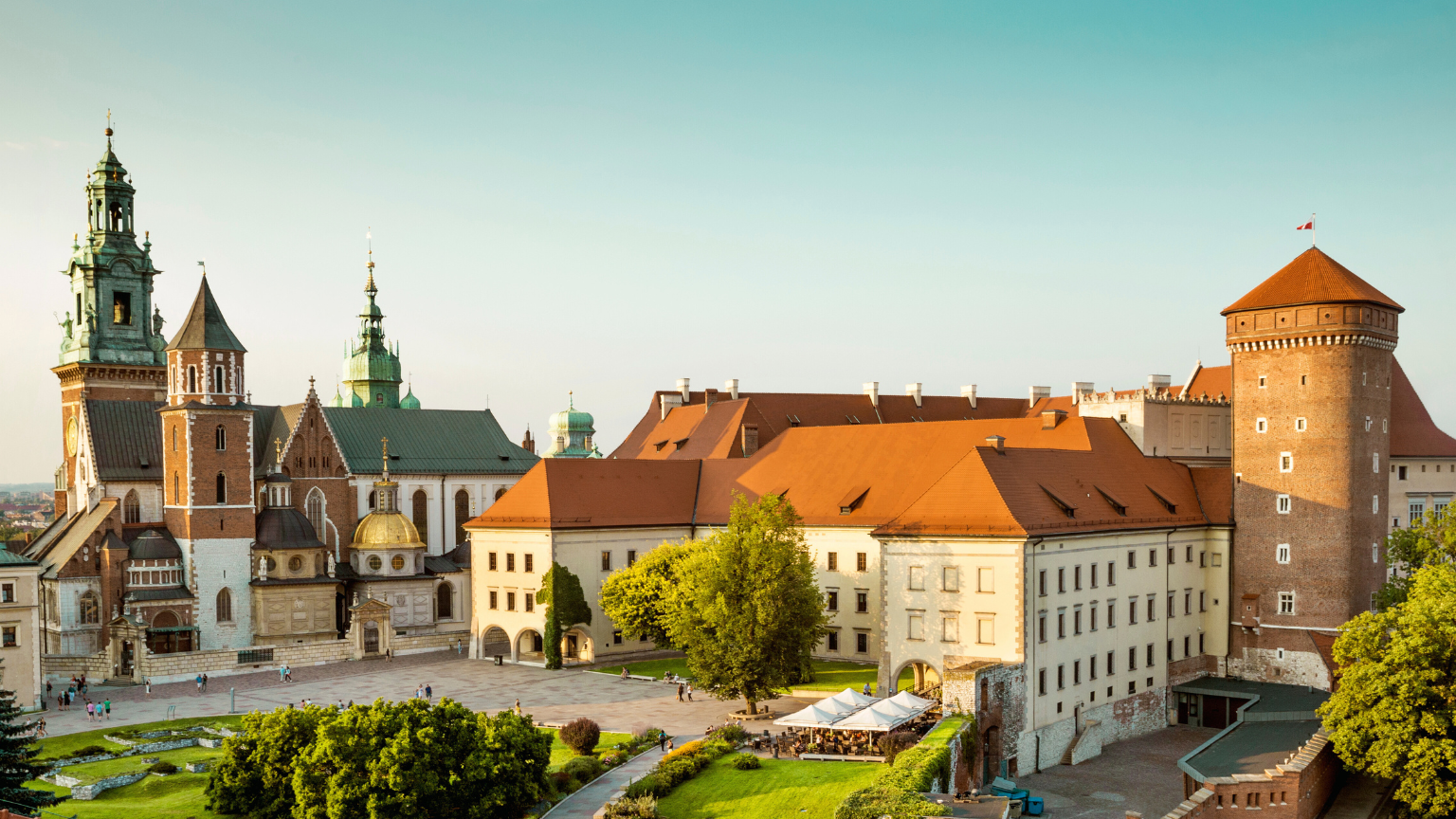
Krakow, with its medieval core and Gothic architecture, was Poland's royal capital until the late 16th century when the crown moved to Warsaw. This historic city is home to the Wawel Castle, the former seat of Polish kings, and the stunning St. Mary's Basilica. Krakow's Old Town, a UNESCO World Heritage Site, is a testament to its former glory, with its bustling market square and ancient buildings. The city's rich cultural scene, vibrant nightlife, and historic significance make it a must-visit for those exploring Poland. Krakow's enduring charm and historical depth offer a captivating glimpse into Poland's royal past.
10. Nanjing, China (Six dynasties' capital before Beijing)

Nanjing, meaning "Southern Capital," served as the capital for six dynasties over centuries before Beijing became the imperial seat. This city on the Yangtze River is a profound blend of historical significance and modern development, home to the imposing Ming dynasty city walls and the serene Confucius Temple area. Nanjing's Memorial Hall of the Nanjing Massacre provides a somber reminder of its tumultuous 20th-century history. Despite its past hardships, Nanjing has emerged as a vibrant, thriving city, balancing its rich history with modern innovation. Its historical sites and cultural heritage make Nanjing a poignant reminder of China's complex past and dynamic future.
This article was written by a human and edited with AI Assistance