

Iceland is a land filled with awe-inspiring landscapes and hidden gems waiting to be explored. From majestic waterfalls to serene geothermal pools, this island offers an incredible variety of sights that will captivate any traveler. Let’s dive into some of the most remarkable destinations Iceland has to offer.
1. Jökulsárlón Iceberg Lagoon

Jökulsárlón is famous for its ever-shifting icebergs drifting across a stunning glacial lagoon. Just nearby is Diamond Beach, where chunks of ice washed ashore sparkle like giant gems, especially magical during sunny winter days or as the sun sets. Between May and October, you can take a boat ride to get up close to the icebergs. For a quieter experience, check out the less visited Fjalljökull lagoon and the dramatic headland at Stokksnes, both offering spectacular views.
2. Glymur, Iceland’s Second-Tallest Waterfall
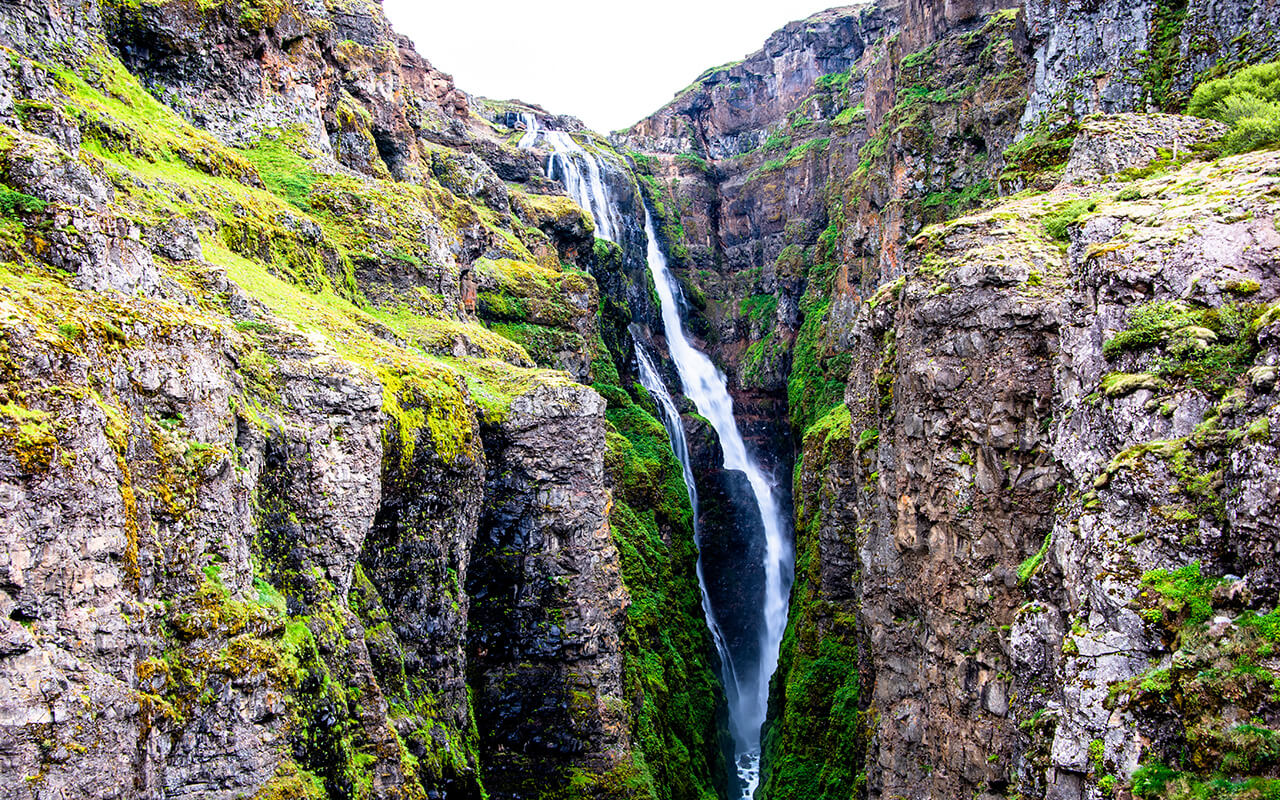
Glymur waterfall stands as Iceland’s second highest and is surrounded by a thrilling hiking trail. This path crosses rivers, winds through forests, and climbs valleys, revealing sweeping panoramas of rugged mountains and fjords. A narrow suspension bridge adds a touch of excitement just before reaching the roaring 198-meter cascade. Often overlooked, Glymur is a treasure for those seeking an unforgettable outdoor adventure. Grab your hiking boots and camera to soak in its raw beauty.
3. The Iconic Blue Lagoon Geothermal Spa

The Blue Lagoon is Iceland’s premier attraction, known for its vibrant milky-blue geothermal waters and soothing warmth. Given its popularity, it’s wise to book your entry ahead and arrive early to avoid the crowds and snag the perfect photo. Situated close to Reykjavik’s KEF airport, you can easily reach it by car or a dedicated shuttle. Plan to dedicate several hours to truly relax and enjoy the rejuvenating experience.
4. Dettifoss: Europe’s Most Powerful Waterfall
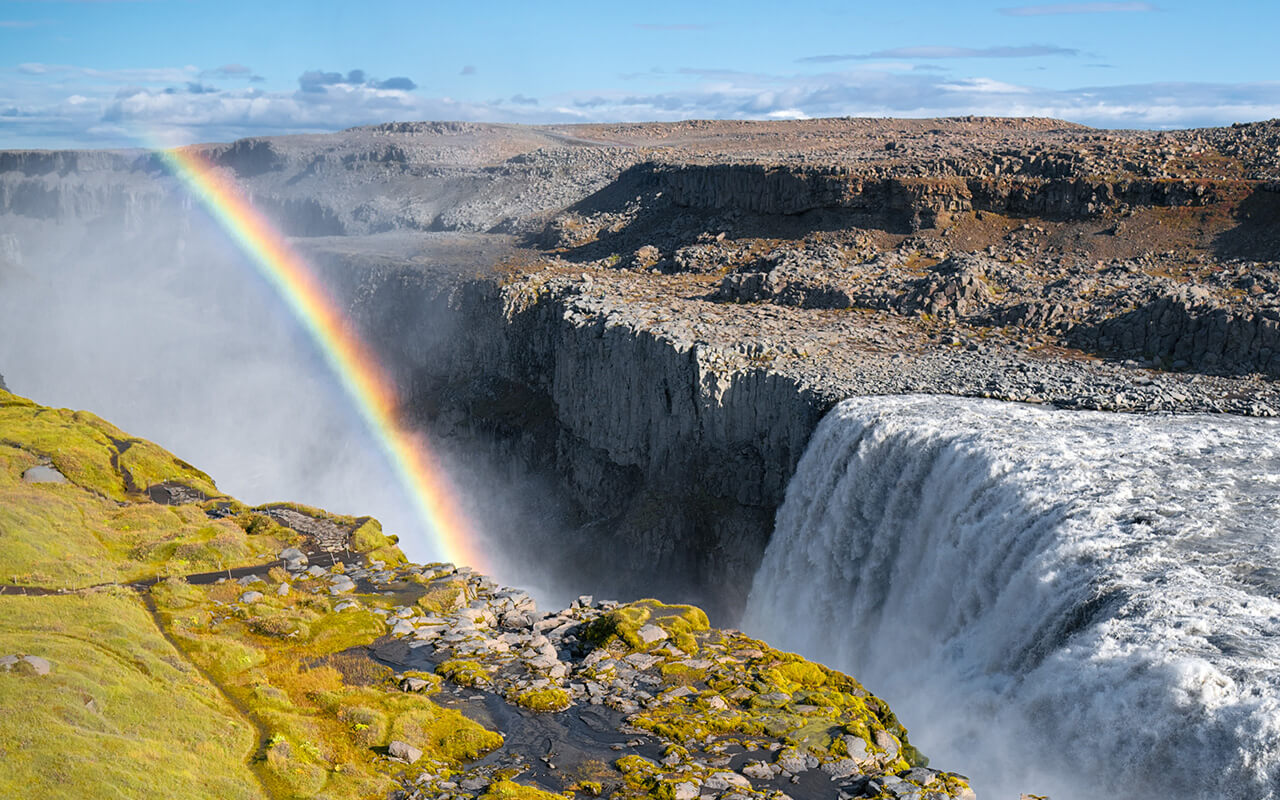
Nestled in the remote northeast, Dettifoss is Europe’s mightiest waterfall, boasting an impressive height and width. Fed by the glacier river Jökulsá á Fjöllum, its waters shimmer with a striking blue-grey tone. Visitors are treated to an intense sensory experience amid volcanic surroundings, and the journey along a rough gravel road adds to the sense of adventure. Witnessing its raw force in person is truly unforgettable.
5. The Unique Westman Islands
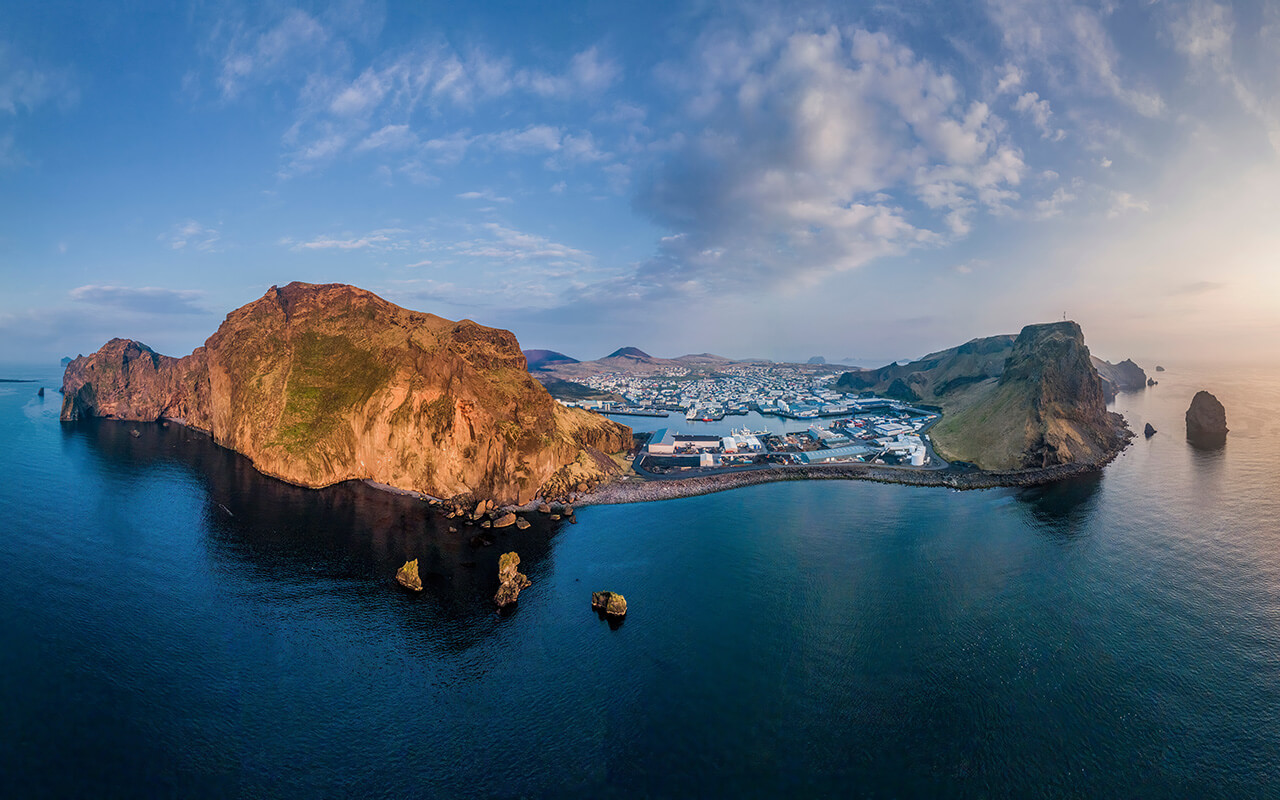
Just off Iceland’s southern shore lies the Westman Islands, a group of fifteen islands offering a distinct travel experience. The largest island, Heimaey, is famous for its volcanic past, especially the dramatic eruption of 1973. Stop by the Eldheimar Museum to explore this history and learn about local wildlife such as puffins. Wildlife tours are popular here, with chances to spot whales, dolphins, seals, and puffins. For the adventurous, climbing Eldfell volcano rewards you with sweeping views.
6. Þórsmörk: The Valley of Thor
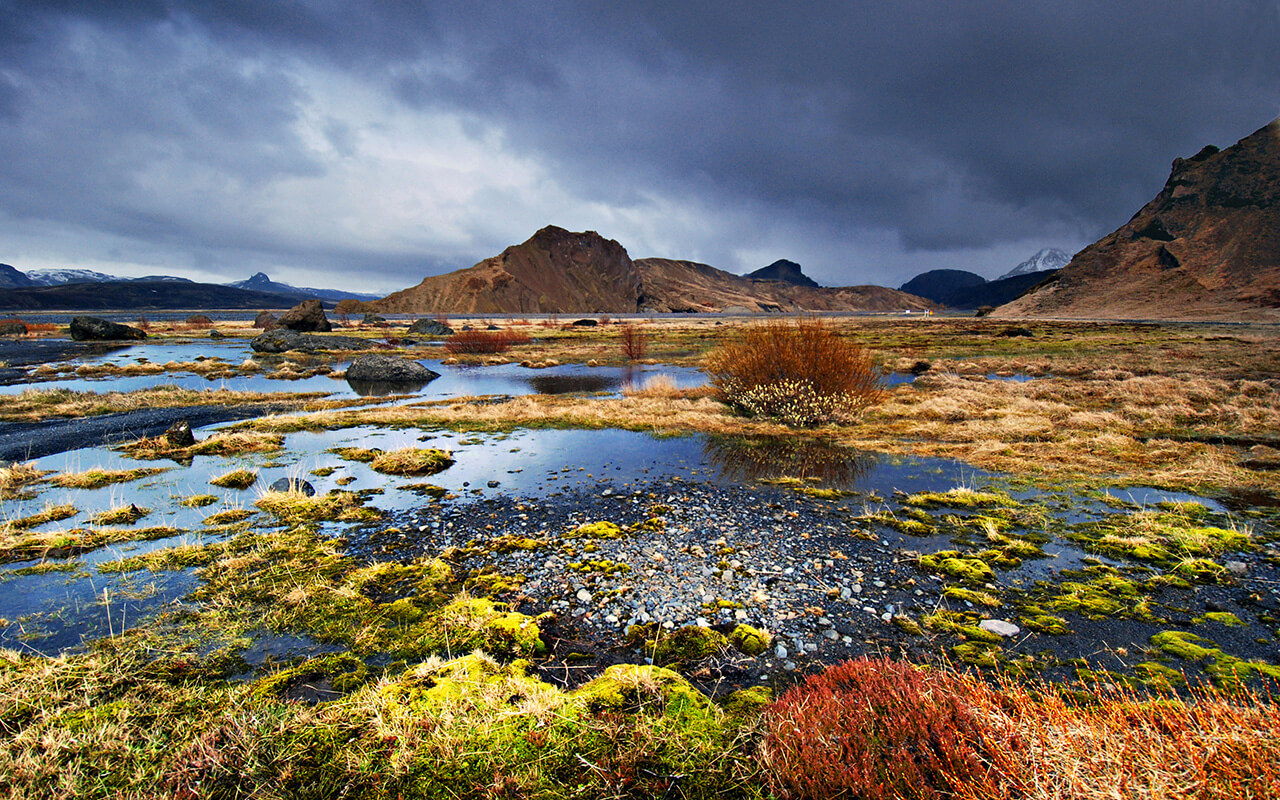
Þórsmörk, meaning ‘Thor’s woods,’ lies in southern Iceland, surrounded by glaciers like Eyjafjallajökull and Mýrdalsjökull. This verdant valley contrasts lush birch and willow forests against black sand deserts and icy peaks. It’s famous for exceptional hiking opportunities, including the popular 25-kilometer Fimmvörðuháls trail starting at Skógar. Wildlife enthusiasts may spot arctic foxes and reindeer here. Whether you’re into trekking, camping, or simply soaking in nature, Þórsmörk offers an unforgettable escape.
7. Reykjavik: A Cultural and Scenic Capital
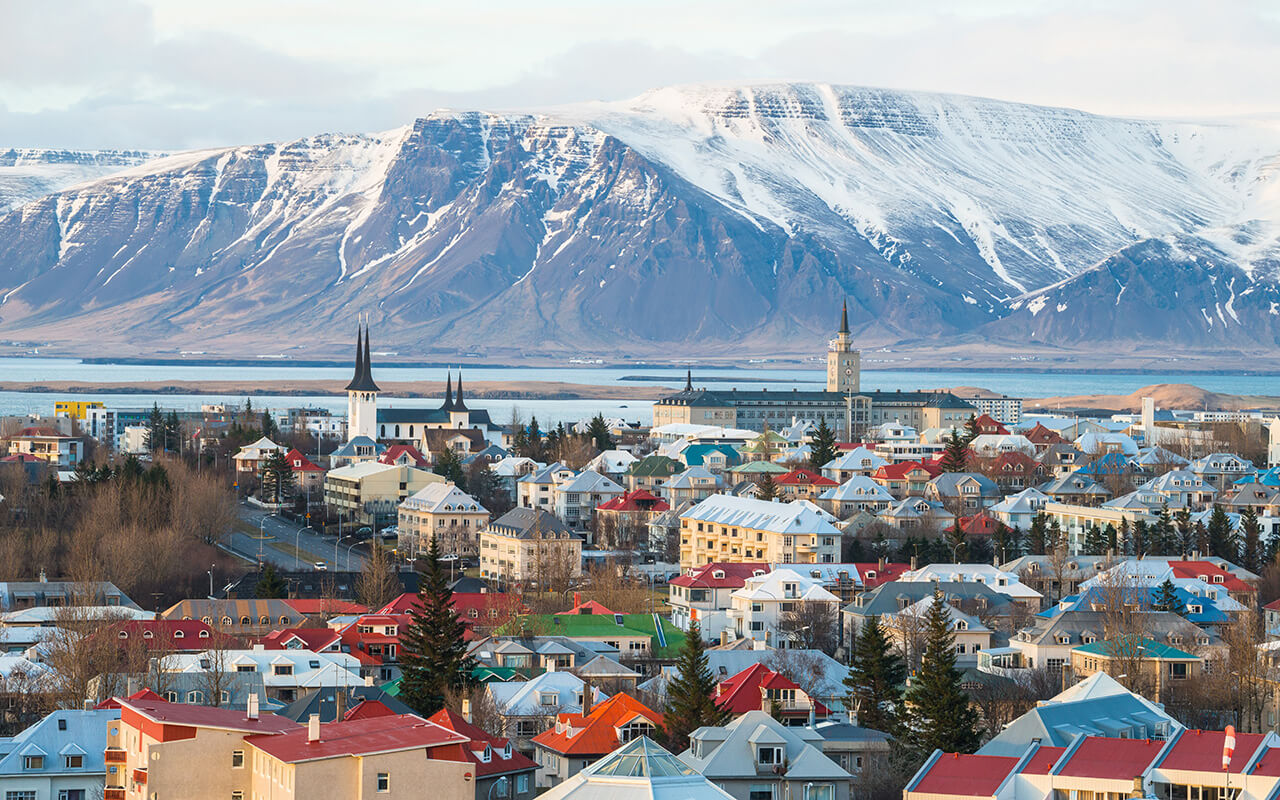
Reykjavik pulses with vibrant culture, boasting numerous museums, art galleries, and live music venues alongside an active nightlife scene. The cityscape is framed by breathtaking views of mountains, glaciers, and the sea. Iconic spots include the striking Hallgrímskirkja church, the modern Harpa concert hall, and the futuristic Perlan building. Food lovers will delight in its dynamic dining options, making Reykjavík an essential stop on any Iceland itinerary.
8. The Classic Golden Circle Journey

Iceland’s famed Golden Circle tour covers three iconic sites: Thingvellir National Park, Gullfoss waterfall, and the Geysir geothermal area. At Thingvellir, you can witness the continental rift where the Eurasian and North American plates separate. Gullfoss captivates with its powerful cascades, while the Geysir hot springs are home to the erupting Strokkur geyser, spouting every few minutes. Don’t overlook the hidden gem, Öxarárfoss waterfall, tucked away within Thingvellir’s park.
9. Seljalandsfoss Waterfall - Walk Behind the Falls
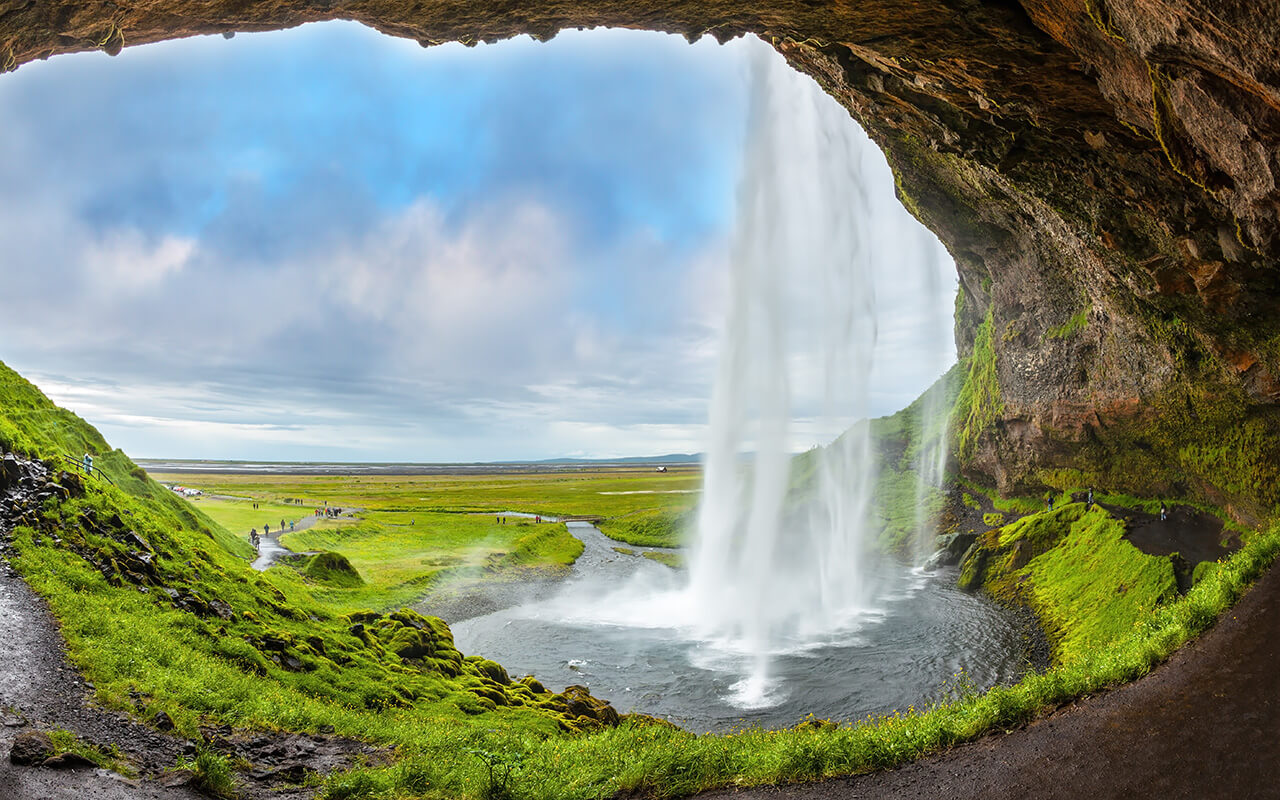
Seljalandsfoss is a standout waterfall on Iceland’s south coast, famous for the rare opportunity to walk behind the cascading water curtain. It’s easily reachable from Reykjavik and lies along the popular Golden Circle route. Experiencing the mist and sound of the falls up close is breathtaking. The area also features additional waterfalls and hiking paths, offering year-round appeal. In winter, the falls transform into a stunning ice spectacle.
10. Húsavík: Iceland’s Whale-Watching Capital

Known as the best place in Iceland to see whales, Húsavík in the north attracts many visitors during the summer months. This charming town also houses the informative Húsavík Whale Museum. Don’t miss GeoSea, famous for its beautiful geothermal sea baths with scenic ocean views. Whale watching tours are highly sought after here, so booking early is essential. Among the many operators, Gentle Giants is a popular choice for unforgettable wildlife encounters.
11. Myvatn Lake and Surrounding Wonders
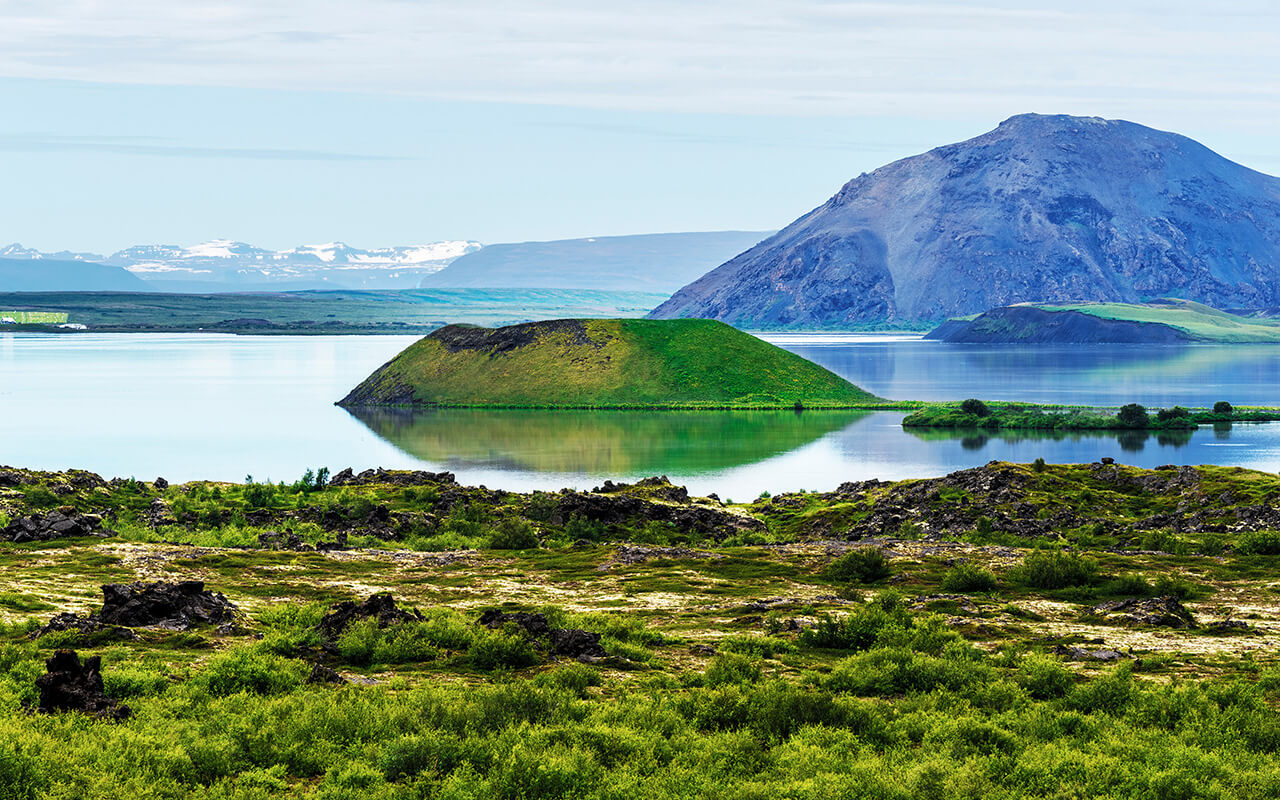
Located in northern Iceland, Lake Myvatn shines as a destination especially in warmer seasons. Highlights include exploring Krafla volcano’s caldera and lava fields, wandering among pseudocraters, hiking Leirhnjukur’s trail, and marveling at the lava formations of Dimmuborgir. The nearby Kirkjan lava tube is also worth a visit. Be sure to experience the colorful geothermal activity at Námaskarð, with its bubbling mud pots. For relaxation, the Myvatn Nature Baths offer stunning views but require advance reservations due to their popularity.
12. Snæfellsnes Peninsula’s Diverse Landscapes

Less crowded but equally captivating, the Snæfellsnes Peninsula is a year-round destination showcasing the iconic Kirkjufell mountain and its adjacent waterfall. The region features volcanic terrain, jagged coastlines, striking rock formations, and numerous cascading waterfalls. Visitors can also enjoy sandy beaches, colorful lighthouses, charming villages, and historic churches, making it a multifaceted area rich in natural and cultural charm.
13. Hekla Volcano: The Fiery Gateway
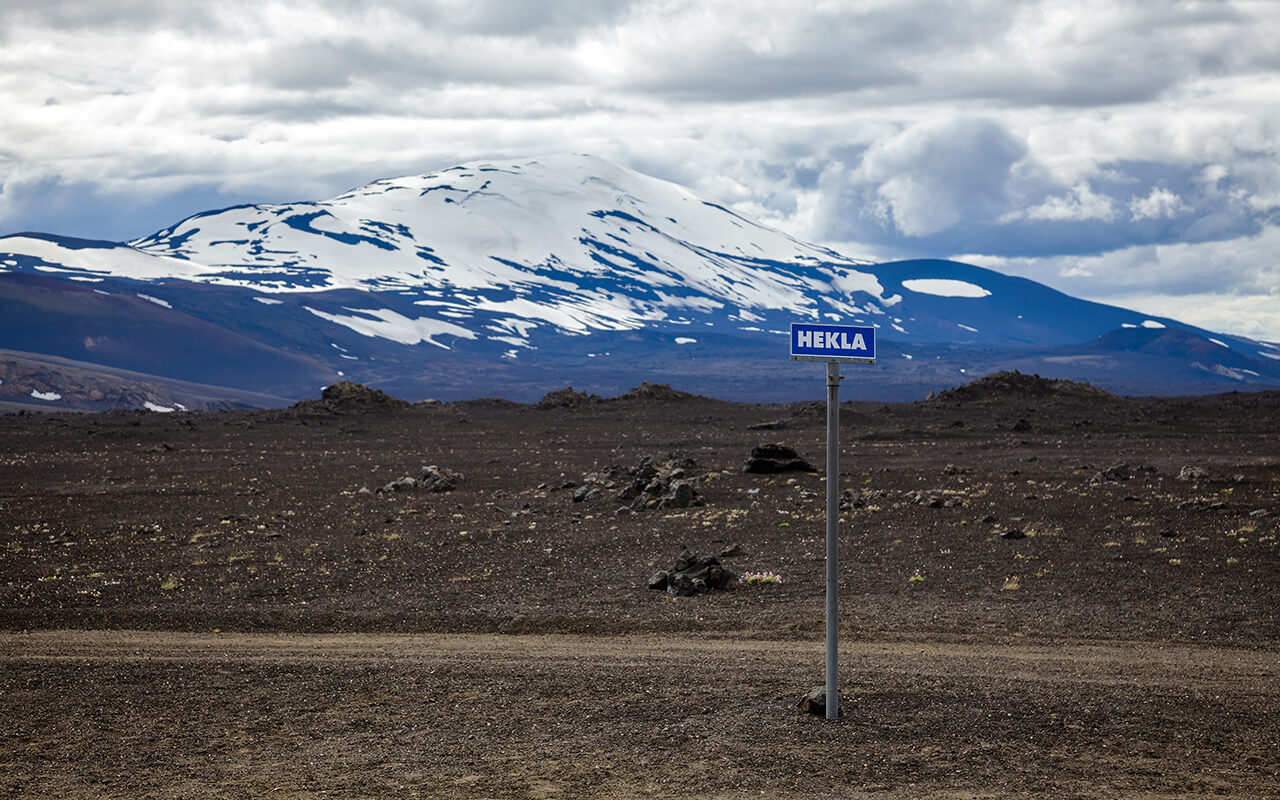
Hekla Volcano, often called the ‘Gateway to Hell,’ is one of Iceland’s most famous and active volcanoes, having erupted multiple times since the 9th century. Adventurers can hike its rugged slopes to take in sweeping views of glaciers, mountains, and volcanic landscapes. The surrounding area also offers scenic drives, lava caves, hot springs, and geothermal pools. Witnessing an eruption here, if lucky, is an extraordinary experience that stays with you forever.
14. The Remote and Rugged Westfjords

For travelers craving an off-the-beaten-path adventure, the Westfjords region delivers raw, untamed beauty. Its dramatic cliffs, deep fjords, and towering peaks create an impressive backdrop for wildlife including seabirds, arctic foxes, and seals. Don’t miss the magnificent 100-meter tall Dynjandi waterfall or the pristine wilderness of Hornstrandir Nature Reserve. History enthusiasts will find the Museum of Icelandic Sorcery and Witchcraft in Hólmavík fascinating, adding cultural depth to the wild surroundings.
15. Landmannalaugar’s Vibrant Highland Scenery
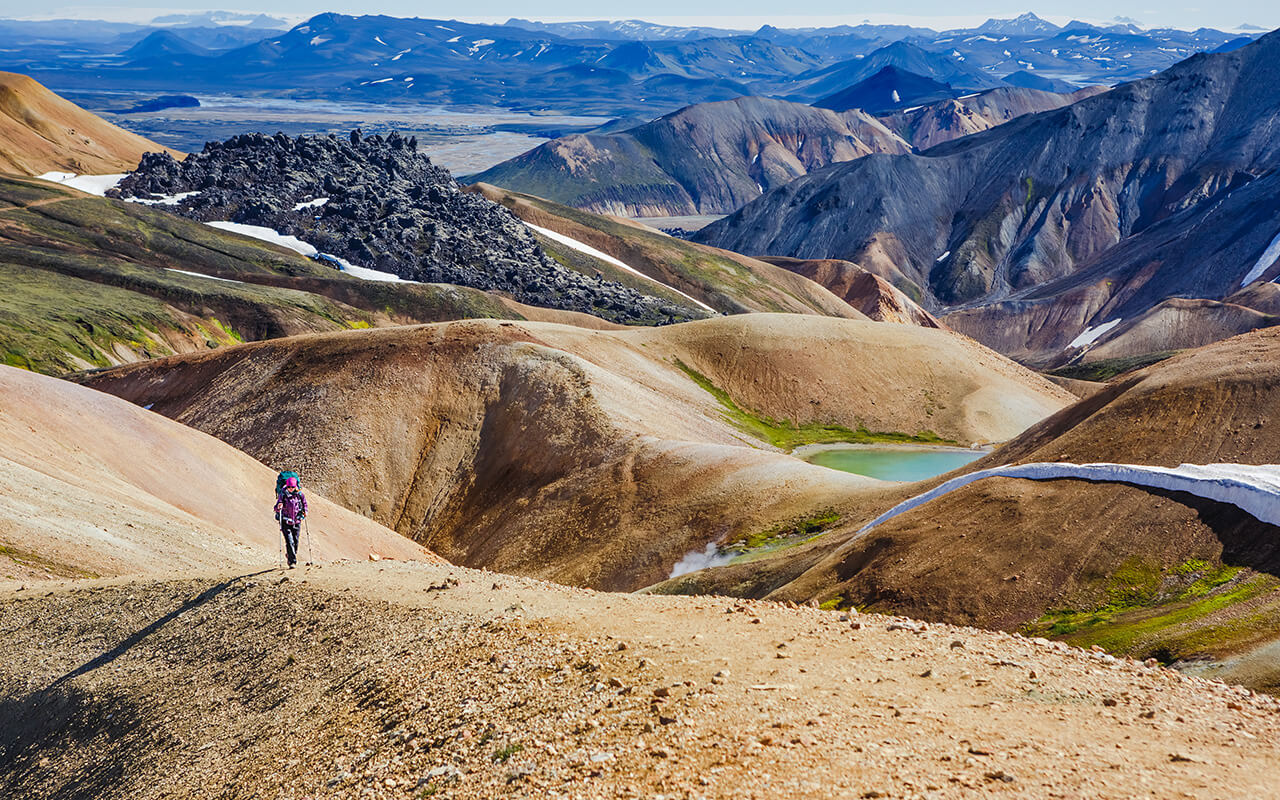
Situated in Iceland’s rugged highlands, Landmannalaugar is famous for its colorful rhyolite mountains that appear to change shades with sunlight. This area offers a range of activities from hiking to horseback riding, plus relaxing in natural geothermal hot springs. Accessible only by four-wheel-drive vehicles, it also serves as the starting point for iconic trekking routes like the Laugavegur Trail. With its vivid landscapes and soothing hot waters, Landmannalaugar promises an unforgettable adventure.
16. Reynisfjara Black Sand Beach
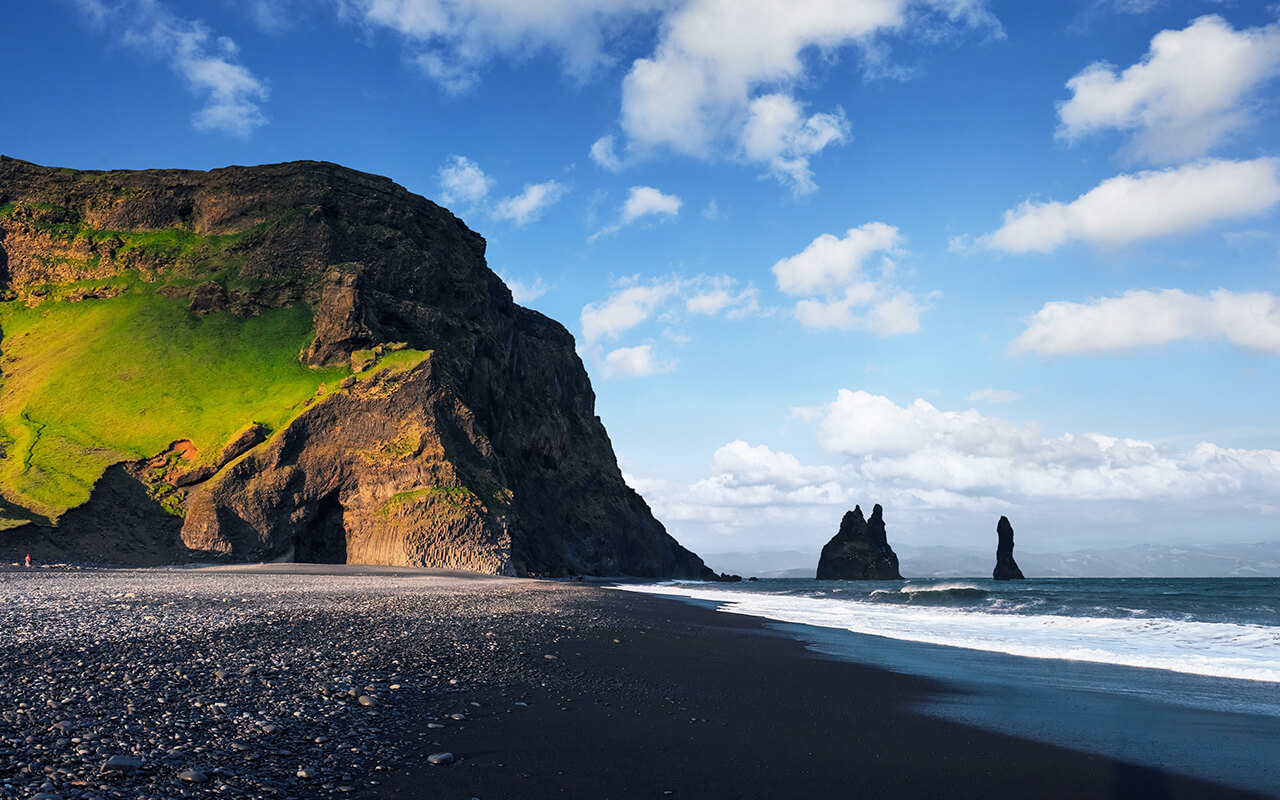
On Iceland’s southern shore near the village of Vik lies Reynisfjara, a striking black sand beach considered one of the world’s most remarkable non-tropical beaches. Just a short drive away, the Dyrhólaey Lighthouse provides sweeping views of dramatic rock formations. Easily reached by car or guided tours from Reykjavik, this area offers plenty of parking. However, visitors must exercise caution as the powerful waves here are unpredictable and dangerous-always keep a safe distance from the ocean.
This article was written by Hunter and edited with AI assistance. The Daily Dive travel desk uses AI-assisted visuals and content that were reviewed and approved by our editors prior to publication.