

Travelers are moving past box-checking itineraries and toward trips that feel personal. In 2025’s run-up to next year, vacations are less about racing through landmarks and more about connection, culture, and care for the places we visit. Expedia Group’s new forecast, Unpack ’26: The Trends in Travel™, captures that shift and points to where demand is building, how traveler behavior is evolving, and why sustainability and storytelling now shape the journey as much as the destination.
Smarter Travel With Accountability
A centerpiece of the report is Smart Travel Health Check, a new benchmark created with the World Travel & Tourism Council to spotlight destinations managing growth responsibly. The goal is simple. Reward places weaving sustainability, community benefit, and cultural protection into their visitor strategies so travelers can choose with confidence.
Expedia Group’s leadership frames it as both opportunity and responsibility. With hundreds of millions of monthly searches flowing through its platforms, the company says it can steer demand toward experiences that are better for residents, local businesses, and the environment—not just for visitors.
Early Standouts For 2026
Expedia’s search data highlights eight places gaining real momentum heading into 2026:
- Big Sky, Montana has surged, with interest up 92%, as travelers chase luxe-meets-wilderness mountain time.
- Okinawa, Japan climbed 71%, thanks to quiet beaches, island culture, and subtropical ease.
- Sardinia, Italy rose 63%, drawing Mediterranean seekers who prefer wild coves and low-key villages over crowded resort hubs.
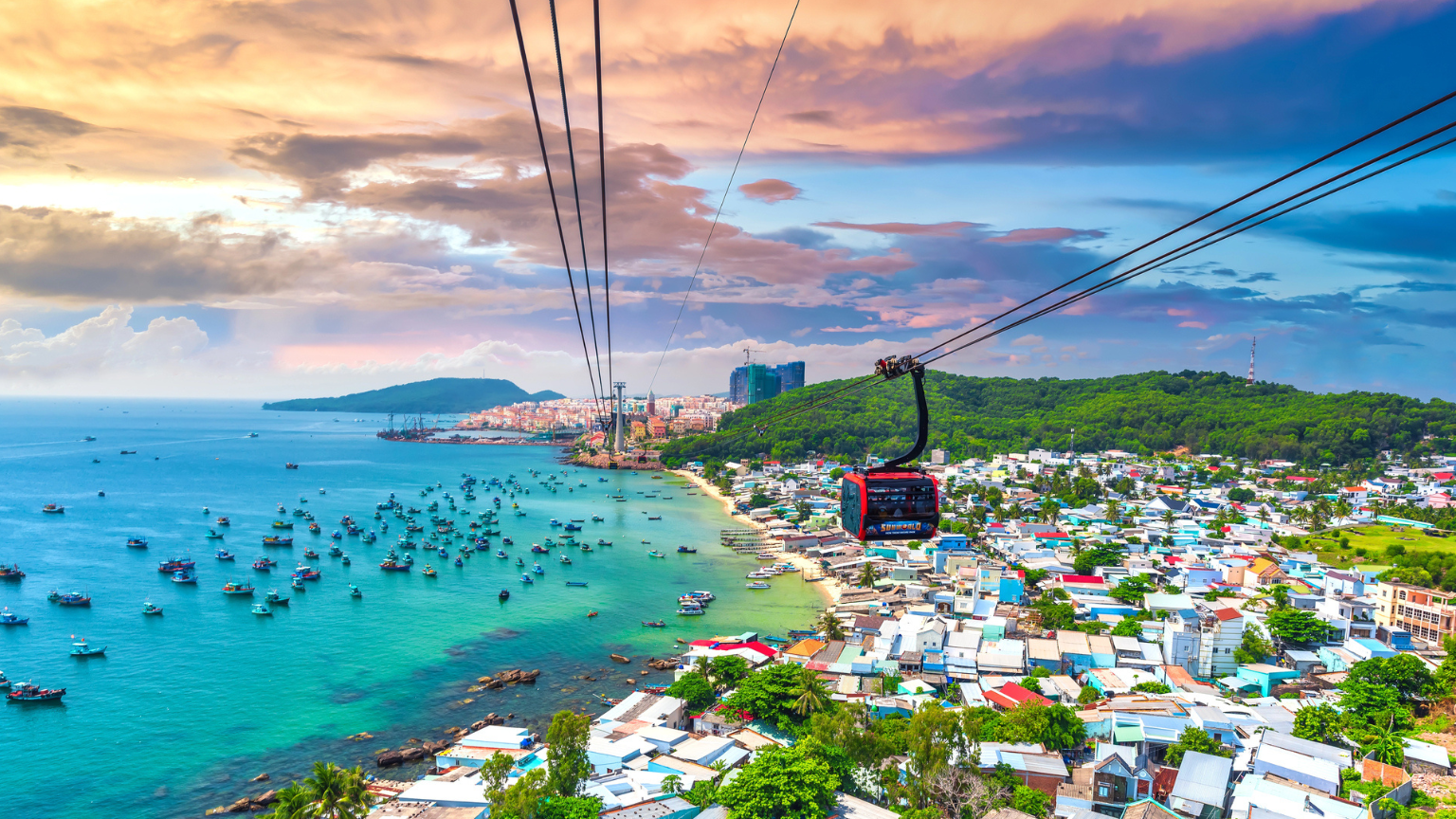
- Phu Quoc, Vietnam jumped 53%, pairing calm seas with a maturing food and hotel scene.
- Savoie, France increased 51% on the strength of alpine gastronomy, slow-travel villages, and attention ahead of the 2030 Winter Olympics.
- Fort Walton Beach, Florida advanced 45%, balancing family-friendly Gulf shores with easier price points.
- Ucluelet, British Columbia grew 44%, appealing to storm watchers and travelers who like their coastlines rugged and uncluttered.
- San Miguel de Allende, Mexico rose 30% on the back of a rich arts scene, historic streets, and a year-round festival calendar.
How Traveler Behavior Is Changing
The report tracks several shifts that will shape 2026 planning:
Sports Are Becoming Itinerary Anchors
More than half of respondents say they would build a trip around sports, and the interest is even stronger among younger travelers. This includes regional competitions and culturally rooted events, from sumo in Japan to capoeira meetups in Brazil, along with new twists on familiar games that make for unique, ticketable moments.
One Trip, Multiple Hotels
Over half of travelers plan to split stays across neighborhoods in a single destination. Think two nights near Tokyo’s Shibuya nightlife, then a move to Asakusa for temples and slower mornings. It is part cost strategy, part curiosity, and fully aligned with travelers who want trips to feel handcrafted rather than one-size-fits-all.
Buildings With A Backstory
Adaptive-reuse hotels are surging. Former stations, breweries, banks, and schools are becoming character-rich places to sleep. One standout stat: searches for a Kyoto hotel in a converted school jumped 194% year over year, a sign that travelers want lodging with a narrative they can feel the moment they step inside.
Vrbo’s Quiet Trend: The “Readaway”
On the vacation-home side, Vrbo sees momentum behind intentional downtime. Ninety-one percent of travelers say they are interested in getaways centered on reading, unhurried connection, and simple pleasures. These trips often land in rural settings, where the itinerary leaves room for a second cup of coffee and a long afternoon on the porch.
Another Vrbo thread is hands-on rural stays. Eighty-four percent of respondents express interest in farm-based lodging. Hiking leads the activity list, followed by time with animals and seasonal harvests. Reviews that mention farm elements are up 300% year over year, which suggests this is no longer niche. It is how more people want to travel when they need to reset.
Screen-Inspired Wanderlust Isn’t Slowing Down
Movies and series still move travelers. More than half of global respondents are more likely to visit a place after seeing it on screen, with Gen Z and Millennials leading the way. The difference in 2025 is dispersion. Instead of sending everyone to the same sweeping fantasy backdrops, screen tourism is nudging visitors into smaller cities and neighborhoods that usually sit outside mainstream circuits—a boost for local businesses away from classic hotspots.
The Big Picture
Take all these threads together and a clear traveler profile emerges for 2026. People want stories, connection, and place-based richness. They are choosing destinations that manage tourism well, booking stays that say something about the city’s history, and designing trips with purpose—sometimes with a stadium ticket or a good stack of paperbacks as the anchor.
Methodology At A Glance
The Unpack ’26 report blends Expedia Group’s platform insights—with roughly 1 billion average monthly travel searches—and a global survey spanning 24 countries and more than 24,000 respondents. That mix of real behavior and fresh sentiment helps explain not just where travelers are going, but why their trips look different.
What It Means For Your Next Trip
If you want your 2026 plans to land, build them around this new reality. Choose a destination that treats residents as stakeholders, not scenery. Split your stay to see a city from two angles. Book a hotel with a past life. Leave space for a live match, a neighborhood festival, or a day with nothing on the calendar except a great book. The best souvenirs next year will not be things. They will be stories you helped write.
Follow us on MSN for all your travel and lifestyle tips.
This article was written by Hunter and edited with AI Assistance