
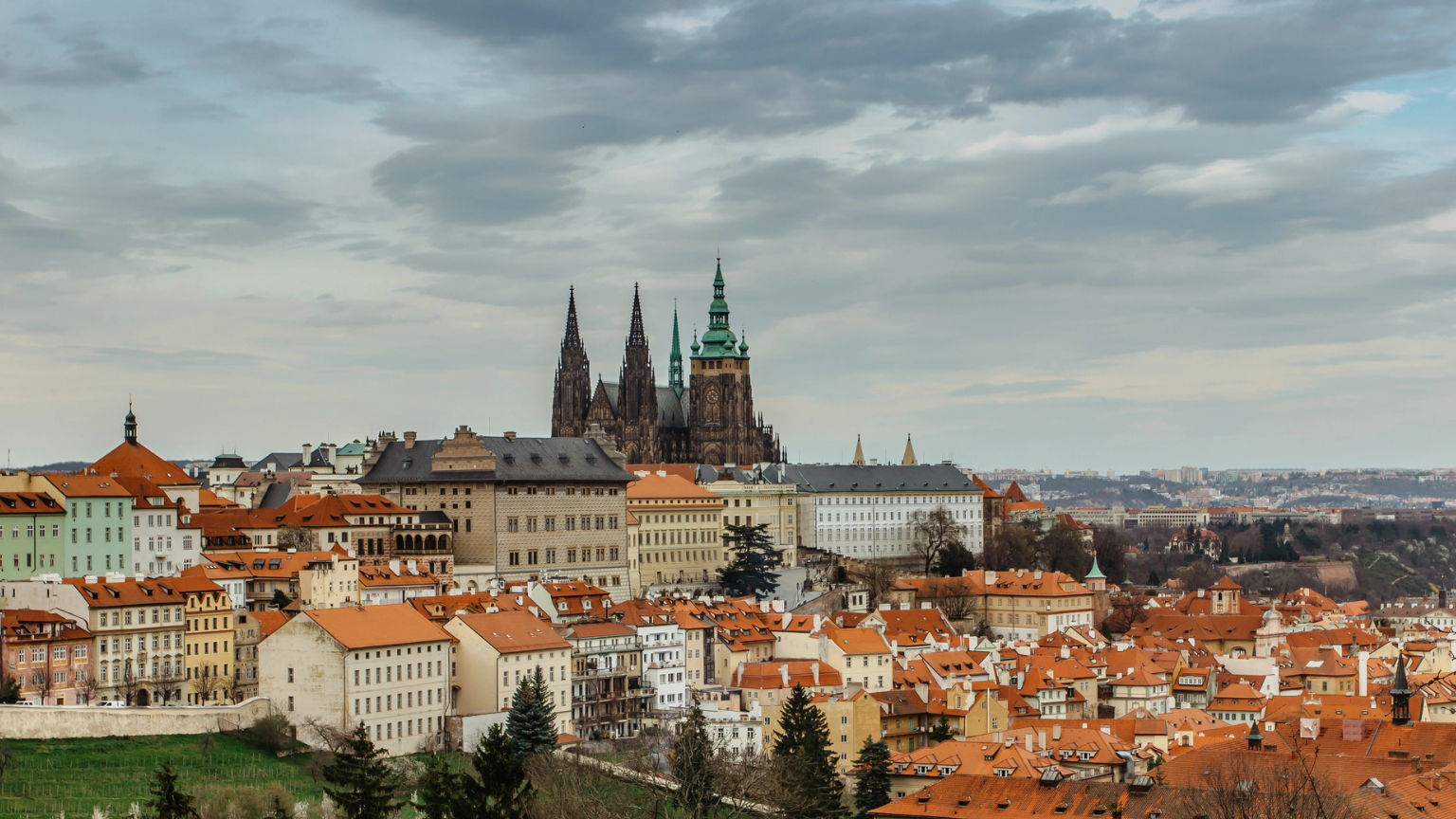

Europe has seen a 6.7% rise in foreign visitors from 2023 to 2024 despite inflation increasing travel costs sharply. Inflation has pushed prices for flights, food, and accommodation higher, forcing budget-conscious travelers to rethink their 2025 plans.
Tourism data shows travelers shifting from traditional Western hotspots to Central and Eastern Europe, where costs remain significantly lower. This change highlights how inflation is reshaping travel choices and spending habits across the continent.
The Numbers Behind the Story
The 2025 Europe Travel Cost Rankings by Budget Your Trip reveal Western European countries topping the expense charts. Switzerland remains the priciest destination, with an average daily spend of $173 per person. France and Italy follow closely, averaging $145 and $132 respectively. In comparison, Central and Eastern European countries like Poland and Hungary offer daily costs of $54 and $57, less than half the prices in top Western locations.
Flights have also become more costly. Compared to 2023, ticket prices for flights into popular Western cities rose by 12%, pushing budget airline fares up to $210 average for entry-level travelers. Meanwhile, flights to cities like Krakow or Budapest saw a milder 5% increase, with tickets fetched around $150 on average.
Entry fees and local charges add to expenses in some destinations. Venice reinstated its €5 day-tripper fee for high-demand dates in 2025, with last-minute ticket prices doubling. Ski resorts in Switzerland, Austria, and Italy raised prices by 34.8% above inflation since 2015, increasing daily skiing costs to over $110 per day.
How This Affects Your Travel Budget
Rising prices directly impact holiday budgets. A traveler spending $100 per day in Central Europe now needs around $140 to experience similar comfort in Western Europe. For a two-week trip, that difference could mean an extra $560 to $840 spent on basic needs and tickets.
With nearly a third of travelers planning off-peak trips to avoid crowds and inflated costs, timing becomes crucial. Traveling outside the busy April to July period helps cut accommodation costs by up to 20% in some cities. Shifting travel seasons also improves value as local tourism services align rates with demand.
Higher costs also encourage travelers to prioritize experiences over luxury. Budget visitors increasingly choose affordable cultural activities, walking tours, and public transportation, rather than costly guided excursions or taxis.
Making the Most of It
Budget travelers should consider destinations like Poland, Hungary, and the Czech Republic to maximize their spending power. These countries offer rich history, quality lodging under $60 per day, and meals averaging $12 to $18.
Booking flights early remains essential. Purchasing tickets at least a month ahead can save 15-25% compared with last-minute fares. Flexible dates, flying midweek, and using budget carriers reduce overall costs further.
Travelers can also capitalize on off-peak discounts by planning holidays during autumn or late winter. This timing avoids entry fees like Venice’s high-demand day surcharge and ensures less crowded sites and better deals on accommodation.
Finally, using local transport and opting for simple dining extends travel budgets. Inexpensive street food and public transit passes cost a fraction of taxis and restaurant meals, yet provide authentic experiences and allow longer stays.
Europe’s inflation in 2025 raises travel costs, but shifting destinations and travel patterns unlock valuable savings. Careful planning ensures more affordable trips and access to a range of quality experiences beyond traditional expensive hotspots.
This article was written by Will and edited with AI assistance.