
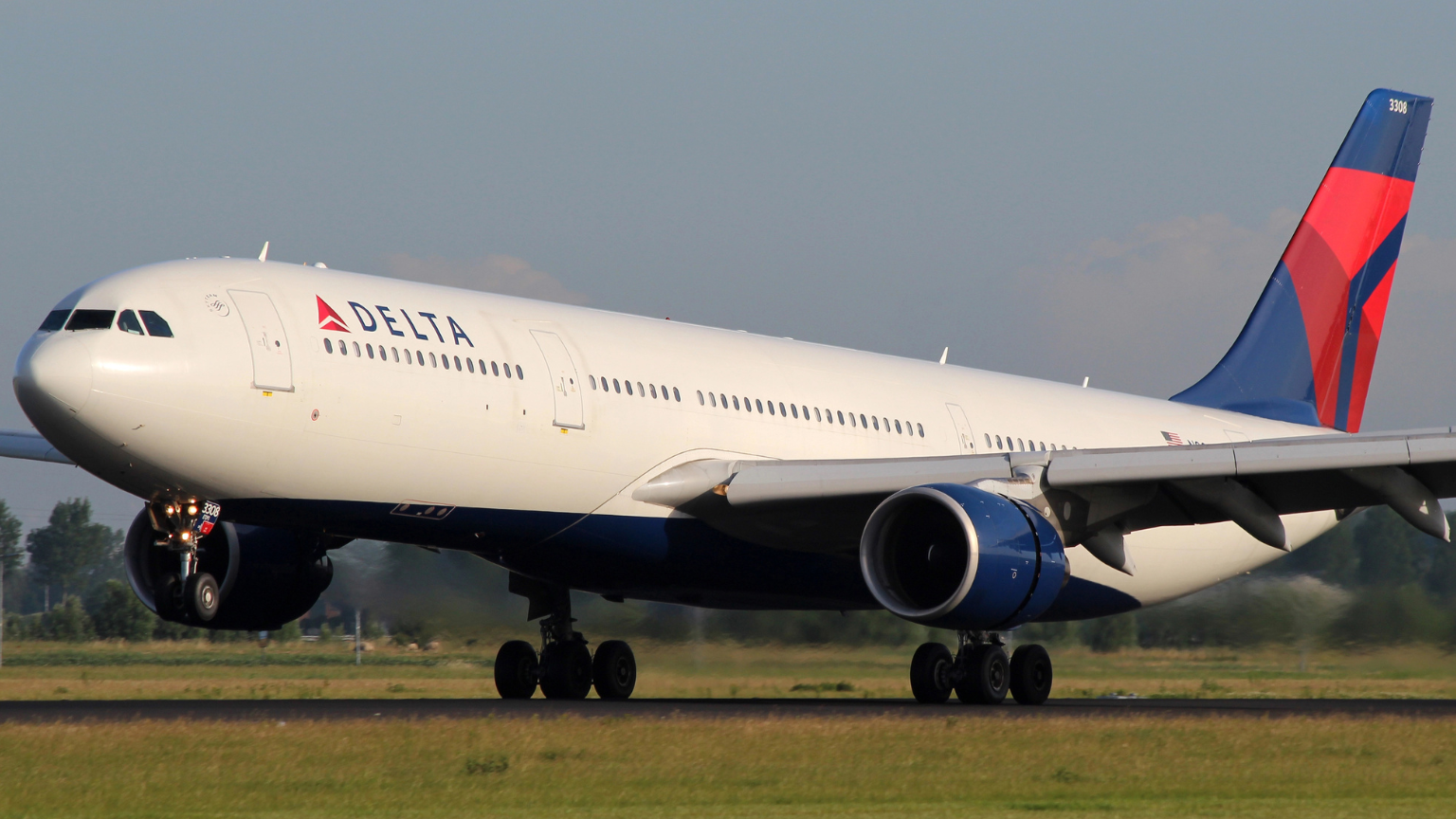

The airline industry entered 2025 expecting a strong year. Early forecasts suggested record profits, with North American carriers leading the way. Instead, a long government shutdown, new tariffs, and shaken traveler confidence turned what should have been a banner year into a much more complicated story. Now Delta Air Lines is pulling back the curtain on how that turbulence actually hit its bottom line and what it expects for the rest of the year.
A Year That Did Not Match The Forecast
Heading into 2025, the International Air Transport Association projected that global airlines would notch record net profits compared to 2024, with North American carriers responsible for a large share of the growth. Industry groups expected rising demand, strong bookings, and continued appetite for both business and leisure travel.
Reality played out differently. A 43 day U.S. government shutdown, combined with shifting tariffs and trade tensions, dragged on the very demand airlines were counting on. Trade policy shaped global economic growth, and while the United States started to ease back from some of the steepest tariffs in the second half of the year, the damage to traveler confidence had already been done.
Instead of simply managing normal seasonal ups and downs, airlines found themselves dealing with refunds, rerouting, and nervous customers watching headlines about flight cancellations and air traffic control staffing.
Delta Puts A Number On The Shutdown Cost
On Wednesday, December 3, Delta Air Lines finally put a dollar figure on the disruption. CEO Ed Bastian told investors and the public that the shutdown cost Delta an estimated 200 million dollars. It was the airline’s first clear statement about the scale of the financial hit.
According to Bastian, two forces drove that loss. First, refunds surged as travelers decided to cancel or change trips during the shutdown. Second, new bookings slowed down noticeably as people waited to see whether flights would operate normally. Together, those shifts knocked about 25 cents off Delta’s earnings per share.
The shutdown did not only mean nervous flyers. In its second month, the Federal Aviation Administration issued an emergency order that forced airlines to cancel up to six percent of their domestic flights to keep the system safe while air traffic controller staffing remained strained. That meant disrupted schedules across the country and reinforced the sense that flying had become less predictable.
Bastian pointed out that having the secretary of transportation publicly acknowledge that the country did not have enough controllers and openly question the safety of travel was unprecedented. For many everyday passengers, that kind of message was reason enough to hit pause on their plans.
How The Shutdown Rippled Through Air Travel
The 43 day shutdown did not happen in a vacuum. It arrived at a time when airlines were already managing tight schedules, strong demand, and complex international networks. As the shutdown dragged on, it hit multiple parts of the system.
Passengers faced longer lines and more frequent delays as staffing issues and operational limits piled up. Airlines scrambled to adjust schedules to comply with the FAA mandate to cut flights, often at short notice. That created more frustration for travelers and more costs for carriers, who had to rebook customers, provide refunds, and reposition crews and aircraft.
The uncertainty had a chilling effect. People who might have booked spring or early summer trips during that period often held back, waiting to see how the situation unfolded. Even after the government reopened, it took time for confidence to recover and for booking trends to stabilize.
Signs Of A Recovery And A Strong Finish
Despite the rough patch, Delta’s leadership is not painting the entire year as a loss. Bastian said he believes the worst of the shutdown effects are now behind the airline. He pointed to a “healthy and busy” Thanksgiving period as evidence that travelers are back in the skies in large numbers.
“I think we are through it and it was transitory,” he said, emphasizing that the shutdown’s impact, while serious, did not permanently derail demand. Delta is now looking ahead to a strong December and a solid close to the year, helped by holiday travel and a more stable operating environment.
Industry data backs up that optimistic tone. Research from AAA shows that Thanksgiving 2025 broke travel records, with an estimated 81.8 to 82 million Americans traveling at least 50 miles from home during the holiday period. That surge suggests that many people are still eager to travel, even after a year of unsettling headlines and operational snags.
What This Means For Travelers In 2025 And Beyond
For travelers, Delta’s update is a reminder of how closely airline performance is tied to broader political and economic events. Shutdowns, tariff battles, and regulatory decisions can quickly filter down into the everyday experience of flying, from ticket prices and route choices to delays and cancellations.
The short term pain of 2025 may also influence how airlines plan for the future. Carriers could build more flexibility into their schedules, invest further in tools that help rebook passengers quickly, and push for clearer communication from regulators during times of stress. At the same time, record breaking holiday travel shows that demand for flying is still strong when people feel confident the system will function.
If you are planning trips for late 2025 or early 2026, Delta’s message is both a warning and a reassurance. Disruptions can hit hard and fast, but they are usually temporary. Airlines have every incentive to move quickly once the storm passes, and for now, at least, Delta believes it has turned the corner and is heading into the year’s final weeks on a much stronger footing.
Follow us on MSN for all your travel and lifestyle tips.
This article was written by Hunter and edited with AI Assistance