
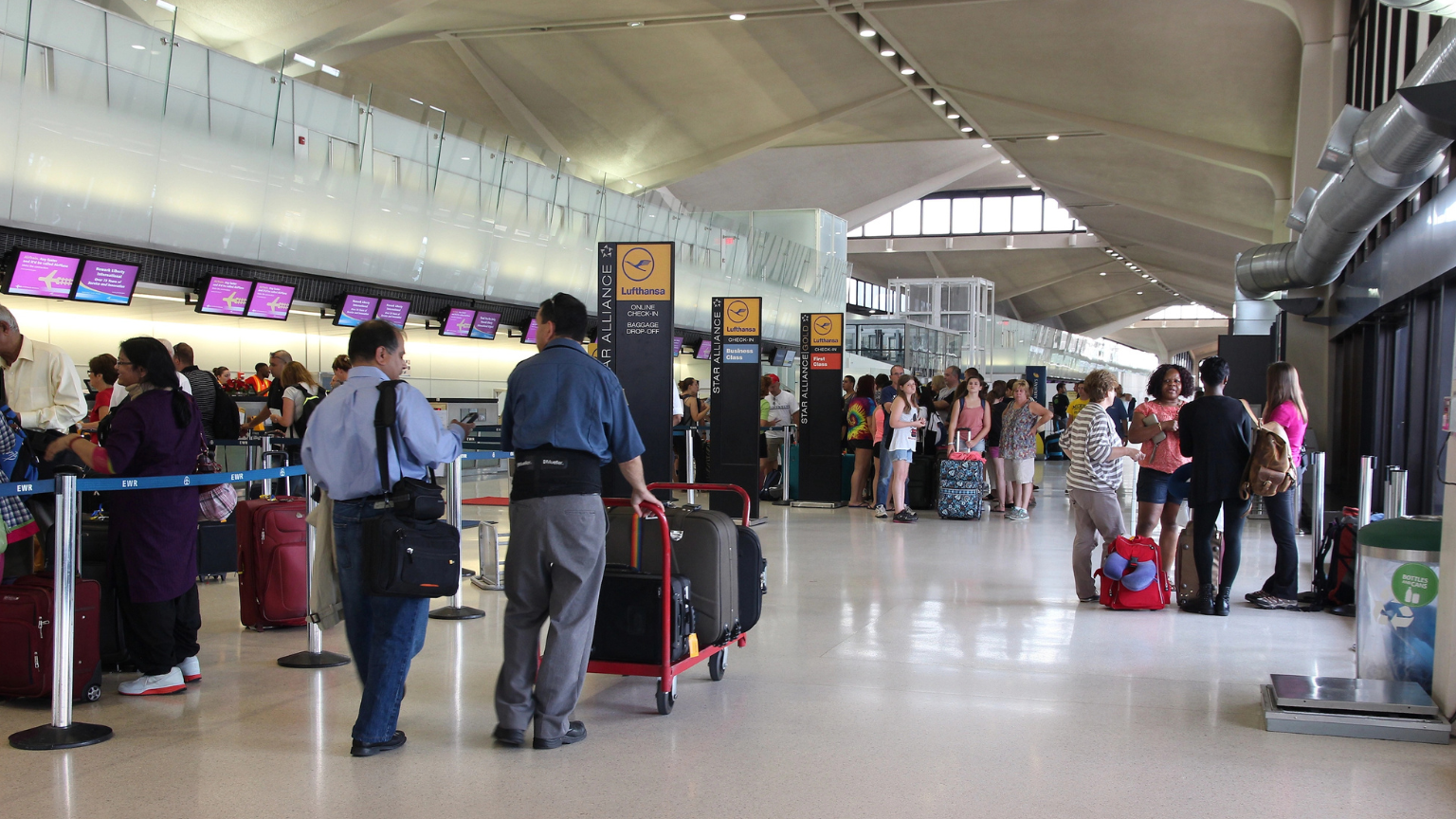

A powerful coast-to-coast storm is lining up to hit right as millions of Americans get ready to travel for Thanksgiving. With more than 82 million people expected to go at least 50 miles from home this holiday period, even a few hours of heavy rain or airport delays could ripple across the country. Forecasters are already warning travelers to build extra time into their plans and keep a close eye on changing conditions.
Storm Starts in Southern California
Southern California will feel the first punch. Forecasters expect heavy rain through Friday, with some of the most intense downpours dropping up to an inch of rain per hour. Urban areas could see one to two inches of total rainfall, which is enough to trigger localized flash flooding, especially in spots with poor drainage.
On top of the flood risk, the saturated hillsides raise the danger of rockslides and mudslides, particularly in burn scar areas and canyons. Drivers in and around Los Angeles, San Diego, and surrounding communities should be ready for slick roads, reduced visibility, and sudden lane closures if debris comes down. Anyone flying out of Southern California on Friday should plan on slower traffic getting to the airport and potential delays if storms move over key departure routes.
Storm Marches East Through the Desert and Southern Plains
By Saturday, the system is expected to shift out of California and into the desert Southwest. Heavy rain is forecast to sweep across southern Arizona, soaking cities like Tucson and surrounding desert communities that are not always equipped to handle fast, intense rainfall.
From there, the storm pushes into the Southern Plains, where it could be especially problematic. Parts of Texas, Oklahoma, and nearby states have already endured a separate system over the past two days, leaving soil saturated and rivers running high. Another round of excessive rain on top of that could quickly trigger flash flooding, closed roads, and more disruption just as people begin their holiday drives.
Recent storms have already caused serious flooding and dangerous conditions in the region, which is why officials are urging residents and travelers to take this next system seriously.
Monday: A Wide Swath of Rain From Texas to the Midwest
By Monday, the storm spreads out into a huge shield of rain stretching from South Texas all the way to the Upper Midwest. That means cities along major travel corridors could see periods of heavy downpours, low clouds, and gusty winds.
For drivers, that translates into slower trips, poor visibility, and the potential for hydroplaning on busy interstates. For flyers, it raises the risk of delays at airports in the central U.S. as airlines slow operations for safety and air traffic controllers route planes around the worst of the weather. Even if your local airport is sunny, a connection through a stormy hub could throw off your schedule.
Tuesday: East Coast Feels the Aftereffects
The East Coast is expected to feel the system’s impact on Tuesday, just as many travelers hit the road or board flights for the peak of the Thanksgiving rush. The current forecast calls for lighter rain along much of the Eastern Seaboard, rather than the kind of torrential downpours seen earlier in the storm’s path.
Even so, light rain on top of already crowded runways and highways can still cause problems. Residual delays from earlier in the system’s life, plus low clouds and wet conditions at major airports, could create a domino effect. A minor delay in the Midwest or South on Monday can easily turn into longer waits along the East Coast on Tuesday as aircraft and crews struggle to get back on schedule.
Forecasters Urge Travelers to Plan Ahead
With such a large and complex system in play, the National Weather Service is urging anyone traveling for Thanksgiving to pay close attention to updated forecasts before they leave home. That means checking not only your local weather, but also the conditions along your route and at your connecting airports.
If you are driving, consider shifting your departure time to avoid the worst of the rain, or build in extra hours in case you hit flooding or slow traffic. If you are flying, monitor your airline’s app or website, sign up for text alerts, and try to keep your itinerary as simple as possible. Nonstop flights, early departures, and carry on bags can all help you stay flexible when weather threatens to gum up the system.
A Record-Breaking Thanksgiving Travel Rush
The timing could not be more challenging. At least 82 million Americans are expected to travel 50 miles or more from home between Tuesday, November 25, and Monday, December 1, according to the American Automobile Association. That makes this one of the busiest Thanksgiving travel periods on record.
The skies will be especially crowded. The Federal Aviation Administration says this will likely be the busiest Thanksgiving travel season in 15 years. In a Friday press release, the agency urged travelers to be patient, arrive early, and check flight status frequently with their airline. Tuesday is expected to be the single busiest air travel day next week, with 52,185 flights forecast.
That volume leaves very little room for error. When more than fifty thousand flights are in the air on a single day, even minor weather hiccups can quickly turn into long lines at security, crowded gate areas, and backup after backup as crews and aircraft try to catch up.
FAA Says It Is Ready For the Holiday Rush
Despite the storm threat, the FAA insists it is prepared. Administrator Bryan Bedford praised air traffic controllers and the agency’s staff in a statement on Friday, saying their work is what keeps the system running safely even when traffic reaches record highs.
“Thanks to the dedication of our air traffic controllers and every FAA employee, we are ready for the holiday rush and take pride in helping travelers reach their friends and families during this important time of year,” Bedford said. He added that he is “deeply grateful” for the agency’s workforce and emphasized that safety remains the top priority, even as they manage unprecedented traffic levels.
For travelers, that means the best strategy is a mix of patience and preparation. The storm may slow things down, but with realistic expectations, flexible plans, and a close watch on the forecast, you still have a good chance of making it to your Thanksgiving table on time—even if you spend a little more of the journey in an airport lounge or waiting out a rain squall along the highway.
Follow us on MSN for all your travel and lifestyle tips.
This article was written by Hunter and edited with AI Assistance