
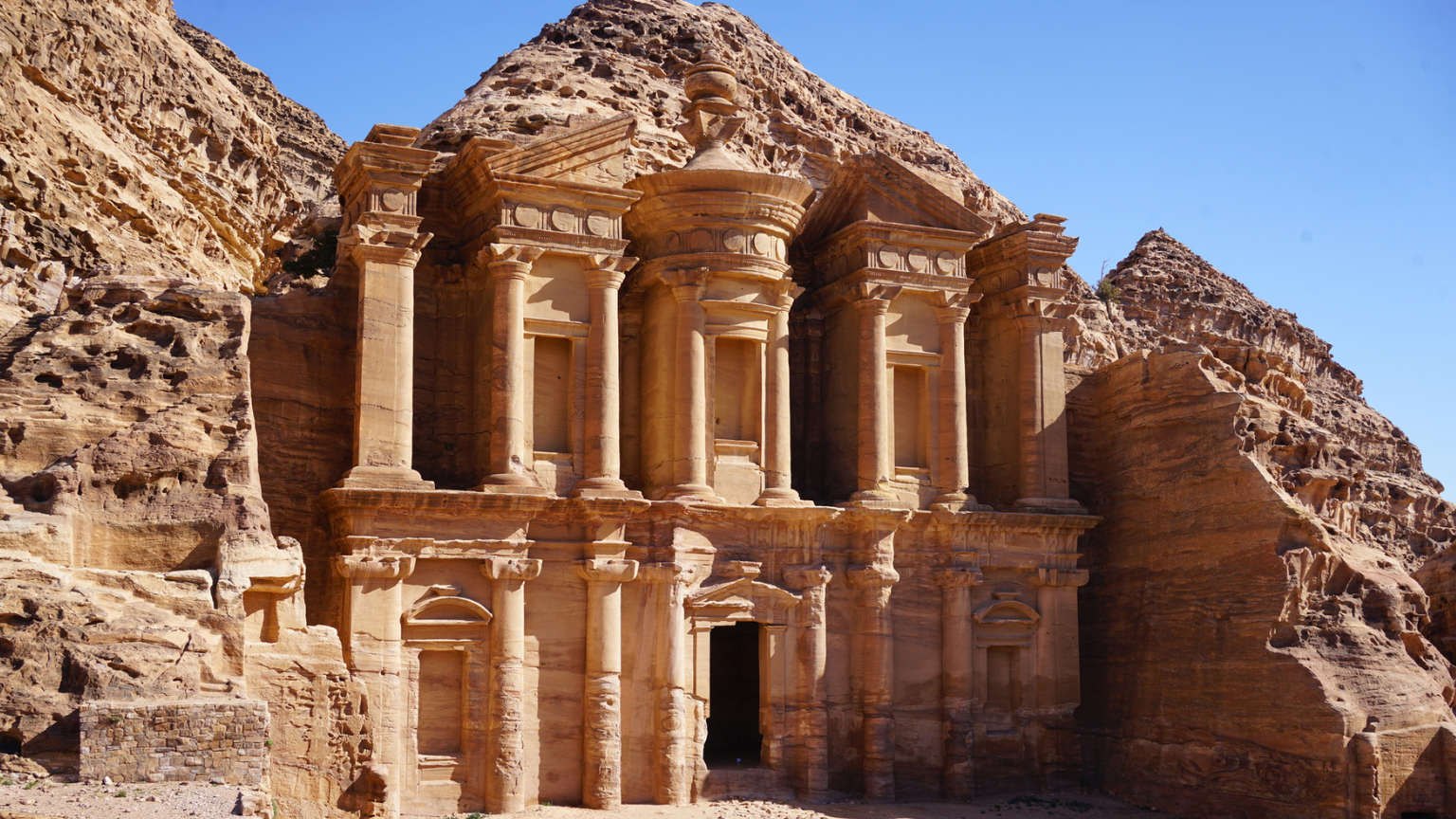

Jordan stands out as an extraordinary destination in 2025. Growing tourism numbers have exceeded expectations, with a 14.6% rise in visitors during the first eleven months alone. This growth reflects the country's rich heritage, stunning landscapes, and unique cultural experiences.
At the heart of this surge is Petra, the ancient rose-red city famously carved into sandstone cliffs. The recent discovery of a hidden tomb beneath Petra’s Treasury casts new light on its mysteries, drawing even more travelers. Alongside Petra, the otherworldly terrain of Wadi Rum and the tranquil waters of the Dead Sea beckon explorers seeking both adventure and calm.
When to Visit
The best time to visit Jordan is between March and May or September and November. These seasons bring mild temperatures and pleasant weather, ideal for exploring outdoor sites like Petra and Wadi Rum. Summers can soar past 40°C, especially in desert areas, while winters tend to be cooler but manageable.
Jordan hosts several festivals and holidays that add cultural depth to a trip. For instance, the Jerash Festival of Culture and Arts in July showcases traditional music, dance, and crafts amid ancient Roman ruins. Visitors planning to avoid crowds should consider weekdays outside major holidays, as sites like Petra get busy during peak times.
Where to Stay
Amman, Jordan’s capital, offers a convenient base with a variety of accommodations. The Abdali district is popular for luxury stays such as the W Amman, which combines modern design with local art. Budget travelers can find comfort at the Jordan Tower Hotel in downtown Amman, known for helpful staff and clean rooms.
Near Petra, the town of Wadi Musa houses many lodgings. Petra Moon Hotel offers a charming setting with rooftop views of the ancient city. For travelers wanting a unique experience in the desert, camps like Sun City Camp provide luxury tents with heating, private bathrooms, and traditional Bedouin meals under the stars.
The Dead Sea area features resorts like the Kempinski Hotel Ishtar, known for direct beach access and premium spa treatments using local mineral muds and salts.
What to Do
Petra remains the must-see attraction. The main route through Petra is about 8 kilometers round-trip, covering iconic sites such as the Treasury, the Siq canyon, and the Monastery. Visitors should allocate at least two days here to appreciate the extensive ruins fully. The Jordan Pass, priced between 70 to 80 Jordanian Dinar (JOD), includes entry to Petra and waives the 40 JOD visa fee if staying at least three nights.
Beyond Petra, Wadi Rum offers a surreal desert experience. Known as the "Mars of Earth," its red sand dunes and rock formations create a vast playground for jeep tours, camel rides, and rock climbing. Overnight stays at desert camps combine adventure with comfort. The Bedouin hospitality and night skies free from light pollution make it unforgettable.
The Dead Sea, the lowest spot on earth, allows visitors to float effortlessly in its salty waters. The mineral-rich mud is said to have skin-healing properties and is widely used in spa treatments available at lakeside hotels.
For history enthusiasts, Jerash offers well-preserved Roman ruins just 48 kilometers north of Amman. Its colonnaded streets, theaters, and temples illustrate urban life 2,000 years ago. The nearby Ajloun Castle offers panoramic views and insight into Islamic military architecture.
Visiting Amman itself shouldn’t be overlooked. Highlights include the Citadel Hill, the Roman Theater, and numerous museums like the Jordan Museum which tells the country’s story from prehistory to modern times.
Where to Eat
Jordan's food scene is rich and inviting. Traditional dishes such as mansaf, a lamb and rice meal served with fermented yogurt sauce, represent the country's culture and hospitality. Street food favorites include falafel and shawarma, widely available across cities.
In Amman, Sufra Restaurant offers authentic Jordanian cuisine in a stylish setting. Their lentil soup and grilled lamb kebabs receive consistent praise. For a more casual option, Hashem Restaurant is renowned for its falafel and hummus, often drawing locals and tourists alike.
In Petra’s Wadi Musa, find Al-Wadi Restaurant which serves hearty meals suitable after a day’s exploration. Wadi Rum camps often provide traditional Bedouin feasts including rice, lamb, and fresh flatbread, cooked over open flames.
Along the Dead Sea, the Marriott Resort has dining options with international dishes that cater to diverse tastes, many using local ingredients for fresh flavor.
Getting Around
Transportation in Jordan is straightforward but requires some planning. Amman’s Queen Alia International Airport is the main entry point, with direct flights from Europe, the Middle East, and some US cities. In June 2025, Jordan and Russia introduced a visa-free travel deal allowing stays up to 30 days, simplifying visits from Russian tourists.
The country’s road network connects major tourist sites efficiently. Renting a car is common for those seeking flexibility, with well-maintained highways like the Desert Highway enabling travel from Amman to Petra in about 3 hours. The scenic King’s Highway also offers a slower, more picturesque route.
For guided tours, companies such as Exodus USA and Enchanting Travels provide both group and private trips, including luxury options starting around $7,000 per person. These tours often cover Petra, Wadi Rum, and Dead Sea with expert guides adding context to the experience.
Public transport consists mainly of split taxis (shared taxis) and local buses, though schedules can be irregular. Ride-hailing apps operate in Amman, offering convenient short-distance travel. Most desert tours and some longer excursions include transportation within the package.
Travelers should keep local customs in mind, dress modestly, and stay hydrated, especially when traversing desert areas during warmer months.
Jordan in 2025 offers a blend of ancient history, natural beauty, and warm hospitality. With practical planning, visitors can navigate seamlessly from Petra’s carved rose stone to the isolated desert oases, making memories that last a lifetime.
This article was written by Will and edited with AI assistance.