
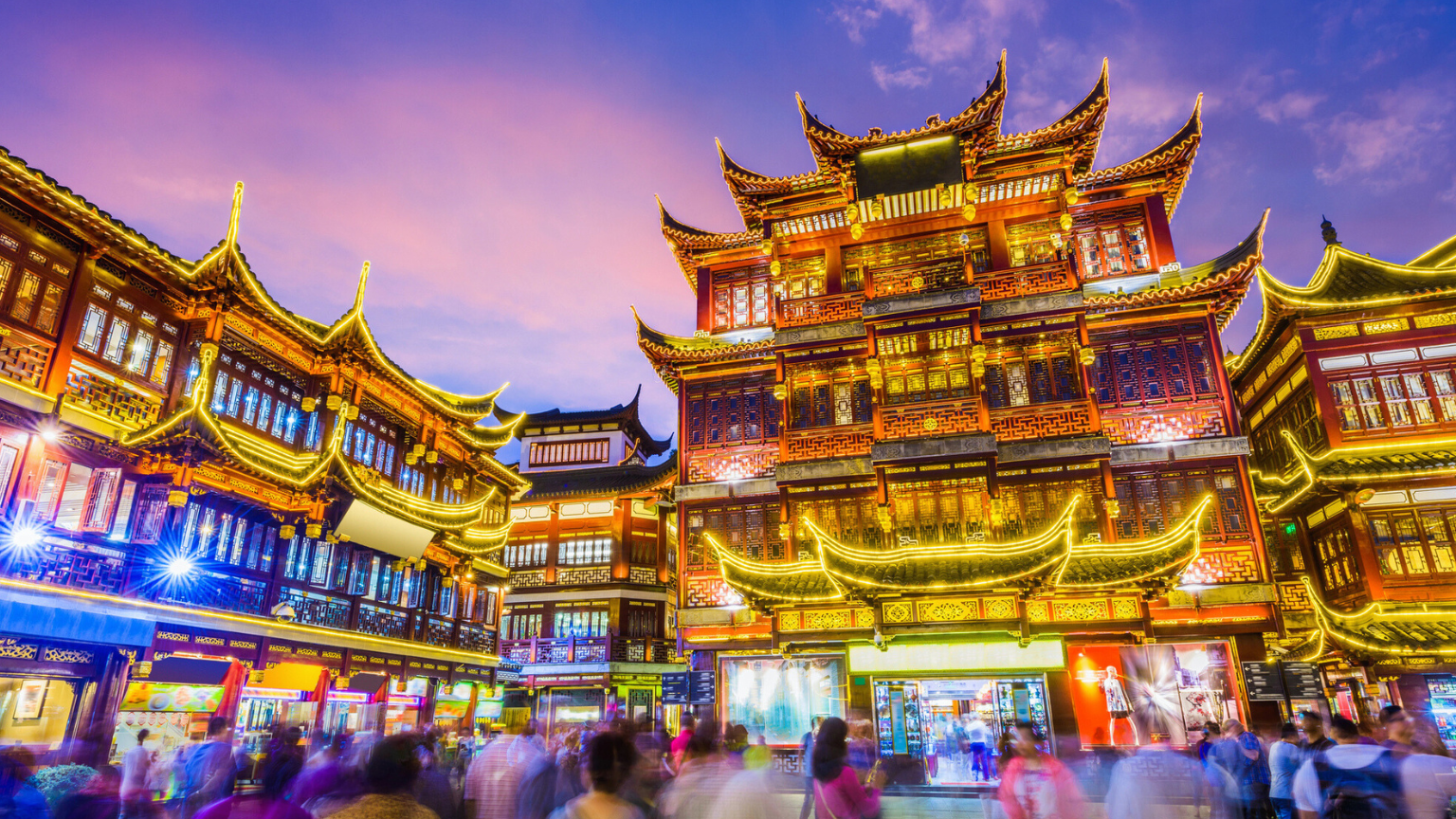

China’s travel industry is set to play a leading role in the country’s economic recovery this year. Sector revenue is expected to reach about $42 billion in 2025, powered by a surge in domestic trips and easing entry rules for visitors from abroad. With consumer spending still uneven and retail growth slowing, tourism is emerging as a bright spot that channels demand into services, jobs, and regional development. The momentum reflects a shift in how people choose to spend, with more households prioritizing experiences and local discovery.
Domestic Travel Takes Center Stage
Chinese travelers are increasingly choosing close-to-home adventures over long-haul international vacations. After years of pandemic limits, many people are eager to get out and explore but are doing so within China’s borders. Families are allocating more of their budgets to trips, attractions, and cultural activities, which spreads spending across transport, dining, and lodging. Government initiatives help, too, from targeted consumption loans to programs that make travel more affordable for households. This tilt toward nearby gateways keeps money circulating locally and supports smaller cities and rural destinations that benefit from weekend getaways and school-holiday peaks.
Policy Tailwinds Are Strengthening the Upswing
A slate of pro-consumption measures is reinforcing the rebound. Targeted personal consumption loans—covering categories like tourism, education, and elder care—lower the first-year cost of borrowing, which makes it easier for families to book trips and plan longer stays. Authorities are also offering direct support to accommodation, catering, entertainment, and sports tourism to stimulate demand across the full visitor journey. On the international side, visa arrangements built over several years are bearing fruit, with simplified entry or visa-free access for travelers from dozens of countries. Together, these steps widen the funnel of potential visitors and encourage more frequent domestic travel.
The Spending Picture: Where the Dollars Are Flowing
Travel outlays have climbed alongside rising household wealth, even as outbound travel has lagged. With many still opting to stay within the country, domestic tourism is on track for roughly $27 billion in spending this year. At the same time, about $15 billion in expenditures is expected from foreign visitors, helped by friendlier visa policies and smoother arrivals. The two streams add up to the sector’s $42 billion projection, illustrating how internal trips and inbound tourism now work in tandem. This mix diversifies demand, reduces vulnerability to external shocks, and supports a broader base of businesses than goods-heavy consumption alone.
A Realistic Look at the Headwinds
Tourism’s momentum contrasts with softer signals elsewhere in the economy. Retail sales growth is projected at around 4.1% for 2025, far below the double-digit pace seen before the pandemic. Part of the drag reflects “subsidy fatigue,” where repeated stimulus raises spending temporarily but fades without lasting income gains. Export pressures also persist, which puts a premium on lifting domestic demand. In this environment, services like travel offer a more durable path for consumption growth because they distribute spending across many sectors and regions. By leaning into experiences instead of only physical goods, the economy can smooth out some of the recent volatility.
How Tourism Multiplies Benefits Beyond GDP
The payoff from travel reaches well beyond headline numbers. Trips within China deepen connections to local culture, history, and traditions, bringing more attention to regional cuisines, crafts, and festivals. Growing visitor flows encourage investment in rail and air links, hotels and homestays, museums and heritage sites, as well as parks and sports venues. Those projects create jobs in construction and operations, while everyday spending supports small businesses from cafés to guides. The result is a wider ecosystem that raises living standards in both major hubs and lesser-known towns.
Who Stands to Gain in the Private Sector
A broad mix of companies is positioned to benefit as travel demand scales up. Online travel platforms can capture more bookings for domestic flights, trains, and hotels, while major e-commerce players—such as consumer-electronics brands expanding into services—can fold travel perks into their ecosystems. Lifestyle and home-appliance brands, including well-known domestic names like Anta and Midea, tend to see a lift from trip-adjacent purchases, from activewear to small appliances geared toward vacation homes and long stays. As staycations and “sandbox” pilot programs for controlled tourism grow, companies that bundle experiences, gear, and travel services are likely to capture more of the value chain. Corporate and conference travel adds another layer of steady demand, supporting airlines, hotels, and venues in major business centers.
Why Services-Led Growth Matters Now
China’s policy focus aims to rebalance spending toward services that lagged behind goods in recent years. Lowering the upfront cost of personal loans and offering direct support to tourism operators helps bridge that gap. When travelers book a trip, their budgets touch transport, lodging, restaurants, attractions, retail, and entertainment, which spreads the impact across the economy. This approach also complements long-term goals like regional revitalization, since domestic visitors can sustain smaller markets even when global cycles turn.
The Bottom Line
Tourism is set to act as a practical engine for China’s recovery in 2025. Strong domestic travel, a friendlier welcome for international visitors, and policies that nudge spending toward services all point to a more balanced expansion. While retail growth remains subdued and external pressures linger, the travel sector’s ripple effects—jobs, infrastructure, and cultural renewal—offer a resilient path forward. If current trends hold, the industry will not only lift near-term consumption but also help reshape economic activity across regions, putting experience-led growth at the center of China’s next chapter.
Follow us on MSN for all your travel and lifestyle tips.
This article was written by Hunter and edited with AI Assistance