

A Fast-Changing Map of Global Air Travel
Global air travel keeps getting busier, with airlines offering more seats and more routes than at any time in the past decade. A new Megahubs 2025 report from travel data firm OAG ranks the world’s most internationally connected airports based on how many destinations they serve and how easily passengers can make scheduled connections. The headline remains the same at the very top, but there is plenty of movement just below it—especially in Europe and the United States.
Heathrow Holds the Crown
London Heathrow keeps its title as the world’s most connected airport for the third straight year. It is not just Europe’s busiest hub by passenger traffic. It is also the place where long-haul and short-haul schedules line up efficiently, which makes tight connections to almost anywhere feel possible. For travelers planning multi-stop itineraries, that reliability matters as much as raw size.
Big Leaps in Europe’s Middle Order
Several European hubs climbed the list. Istanbul surged from eighth to second, reflecting its role as a bridge between continents and a growing schedule to Africa, the Middle East, and Asia. Amsterdam Schiphol rose from fourth to third after stabilizing operations and deepening its network. Frankfurt jumped from tenth into a tie for fourth, matching Kuala Lumpur after adding capacity and smoothing banked connections. The reshuffle shows how competitive Europe’s hubs remain, even after a week that saw cyberattacks and drone sightings disrupt airports in Belgium, Germany, Denmark, and Norway.
Mixed Fortunes in Asia
Asian megahubs remain powerful, but a few slipped in the latest ranking. Kuala Lumpur shares fourth place after sitting second last year. Seoul Incheon eased from fifth to sixth, and Tokyo Haneda fell from third to ninth. These shifts do not mean fewer flights overall. Rather, they reflect how other hubs timed and expanded their banks of connections slightly better this year, nudging Asian leaders down a few spots.
U.S. Hubs Gain Momentum
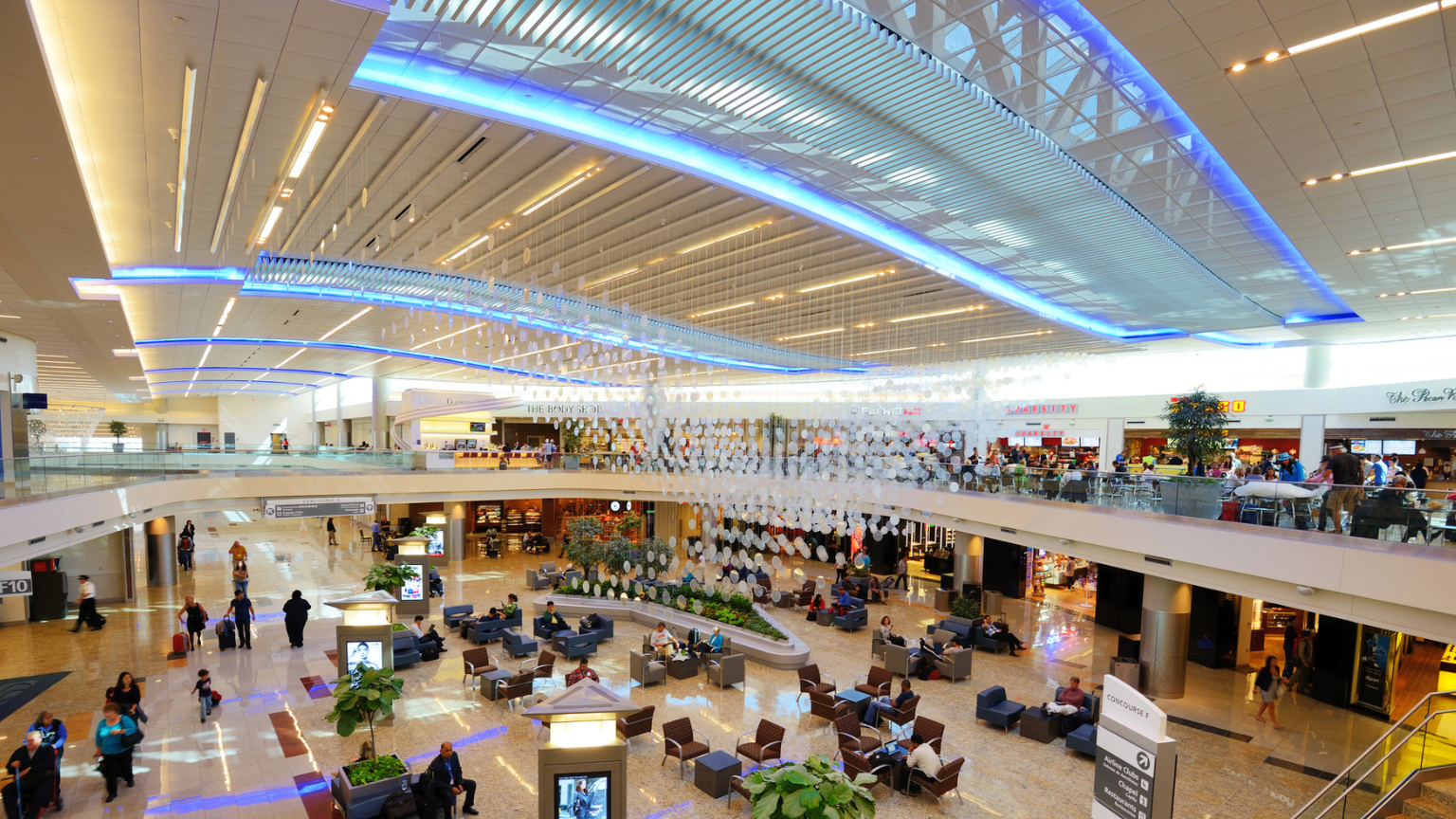
American airports made clear gains. Chicago O’Hare added 15 new destinations and climbed two places to seventh worldwide. Atlanta Hartsfield-Jackson, already the world’s largest airport by total seats, reentered the top ten at eighth after sitting just outside at number eleven. Both hubs benefit from dense domestic networks that feed international banks, helping travelers stitch together one-stop journeys across the Atlantic and Pacific.
Everything’s Bigger in Texas—Including the Jump
Further down the table, Texas made noise. Dallas–Fort Worth rose five positions from eighteenth to thirteenth, powered by expanded long-haul service and deeper domestic connectivity. Houston George Bush Intercontinental recorded one of the year’s biggest leaps, climbing from twenty-ninth to eighteenth. For flyers in the central and southern United States, these moves translate into more one-stop options to Europe, Latin America, and Asia.
Why “Connectivity” Matters to Travelers
Connectivity is not just about how many planes take off. It is about how well schedules line up so you can change planes quickly, keep baggage moving, and still make it to your final destination on time. Highly connected hubs usually offer:
- Shorter minimum connection times that are realistic in practice
- Multiple daily departures on key routes in case you misconnect
- Broader partner networks and interline agreements that protect your itinerary
In a year when global seat capacity has surged and occasional disruptions still pop up, a hub’s ability to absorb shocks and keep itineraries intact can make or break a trip.
Traveler Takeaways
- For Europe connections: Heathrow remains the safest bet for complex itineraries, with Istanbul and Amsterdam now close behind.
- For U.S. departures: Chicago and Atlanta are stronger than ever for one-stop long-haul links. Keep an eye on Dallas and Houston if you live in the South or the Plains.
- For Asia routings: Top hubs still offer excellent reach, but check alternatives in Europe or the Middle East if you need more timing choices.
- For peace of mind: When booking tight layovers, look for hubs that climbed this year. Their schedules and partner networks are trending in your favor.
The bottom line. The global rankings shifted enough to open new one-stop possibilities from the United States and Europe, while Heathrow stays in first. If you plan smart—matching your route with a hub that is trending up—you will give yourself more flight options, smoother connections, and a better chance of arriving right on time.
Follow us on MSN for all your travel and lifestyle tips.
This article was written by Hunter and edited with AI Assistance