
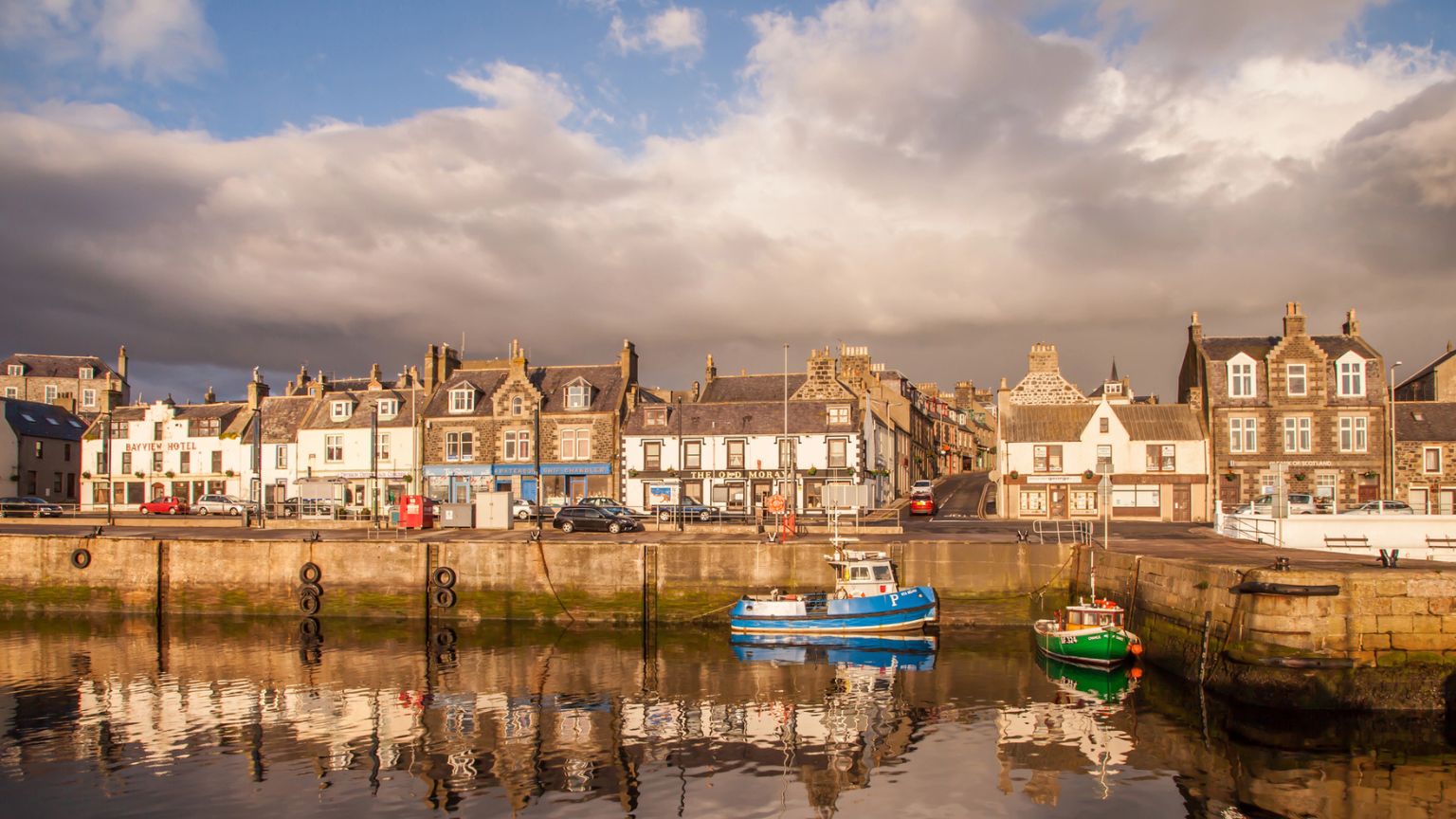

Many people picture the coast at its loudest and busiest. Beach umbrellas packed shoulder to shoulder, restaurant waitlists, cars crawling along the waterfront. But the real magic of a seaside town often shows up after the crowds thin and the sun sinks a little lower in the sky. More travelers are starting to realize that visiting the coast in the off season can feel like discovering a different destination entirely. The same towns that are frantic in July become calm, walkable, and strangely intimate in November, February, or early spring. That shift is quietly transforming not only how visitors experience these places, but how coastal communities survive and thrive.
What Off-Season Travel Actually Looks Like
Off season does not always mean cold and miserable. In many coastal destinations, it simply means fewer families on summer break, fewer festival weekends, and a slower rhythm on the streets. You might need a light jacket instead of a swimsuit, but you still get bright skies, open views, and the sound of the waves in your ears.
Shops, cafes, and bakeries are often still open, but they are serving neighbors and regulars rather than huge tour groups. Hotel lobbies feel relaxed, not frantic. You can wander along the waterfront and actually hear snippets of local conversation instead of only other tourists planning their next stop. For many travelers, that quieter energy is exactly what they are craving after a year of work, screens, and constant noise.
How Coastal Towns Benefit When the Rush Spreads Out
For coastal communities, the shift toward off season and shoulder season travel is more than just a trend. It is a financial safety net. In many popular beach towns, a huge share of yearly income arrives in just a few months. When everything depends on summer, businesses and workers feel enormous pressure. A rainy July, a stormy August, or a travel disruption can have real consequences.
When visitors start coming in October, March, or even January, that pressure spreads across more of the year. Restaurant owners can keep more full time staff instead of seasonal hires. Small hotels do not have to squeeze every last cent out of a short summer window. Local artisans and tour operators can rely on a steadier trickle of customers. The result is a more balanced local economy that is not built only on one frantic season.
Preserving Local Character Instead of Catering Only to Crowds
Another quiet upside of off season tourism is what it does for a town’s personality. During peak times, many businesses feel they have to move toward the safest, most mass market options, because that is what the crowds want. Menus get simplified, prices get pushed up, and sometimes local flavors and traditions step aside for whatever sells fast.
When the rush calms down, something different happens. Restaurants can slow down and cook for the community again. Cafes start to feel like neighborhood hangouts instead of fueling stations. Shop owners have time to chat instead of hustling to handle a line out the door. Travelers who show up in these quieter months often get a more genuine sense of what the town is like when it is not performing for visitors. That deeper connection tends to make people more respectful guests and more likely to return.
Less Strain on Beaches, Trails, and Wildlife
Coastal areas are some of the most fragile environments on the map. Sand dunes erode, trails wear down, and wildlife is easily disturbed. When huge numbers of people arrive in a short burst, it puts intense pressure on these ecosystems. Trash builds up faster, parking spills into sensitive areas, and popular viewpoints turn into trampled patches of dirt.
Spreading visitation out over the year eases some of that strain. Beaches have more time to recover between heavy use. Local governments and volunteers can keep up with maintenance instead of constantly playing catch up. Wildlife has more quiet periods between peak human activity. None of this means off season travel has no impact, but it does give nature more breathing room than the “all at once” model of high season tourism.
Why Travelers Are Starting to Prefer Quiet Seasons
From the traveler’s perspective, off season coastal trips solve a lot of problems in one go. Prices on hotels and vacation rentals often drop once school is back in session or holiday periods are over. Restaurants are less likely to require reservations weeks in advance. You can actually hear the ocean from your balcony instead of the thump of music from the bar next door.
There is also more space to be spontaneous. It is easier to pull into an overlook on a scenic coastal road, easier to book a last minute whale watching trip, and easier to find a table at the one little restaurant locals have been recommending all day. Many people also find that locals are more relaxed and chatty when things are less busy. A bartender has time to share tips about hidden coves. A shop owner can explain the story behind a local craft. Those small interactions add up to a richer, more personal trip.
The New Infrastructure Built Around Slower Travel
As off season trips pick up, coastal regions are quietly adjusting how they operate. You see more year round events instead of everything packed into summer. Food festivals might move to late fall, coastal marathons may be scheduled just outside the hottest months, and markets run deeper into the year.
Transport options are evolving too. Seasonal shuttles from nearby cities, improved bus services, and better connections between coastal towns make it easier to visit without a car. Charging stations are popping up along coastal highways, which makes winter or spring road trips more appealing for electric vehicle owners. Some destinations are even creating special offers for shoulder season visitors, from discounted room rates to bundled experiences that highlight local culture and nature.
How Off-Season Travel Changes the Mood of a Trip
Perhaps the biggest change is not something you can measure in numbers. It is the mood of the trip itself. Traveling in the off season encourages a slower, more observant way of experiencing a place. Instead of racing to fit in every viewpoint and attraction, you are more likely to settle into a few favorites and revisit them.
You might return to the same cafe each morning, watch the tide change at the same stretch of beach, or walk the same harbor path at sunrise and sunset. Without the constant distraction of crowds, your mind has more room to notice small details, from the way the light hits the water to the rhythm of daily life in a fishing harbor. It feels less like you have “checked off” a destination and more like you have actually spent time there.
Tips for Planning Your Own Quiet Season Coastal Escape
If you are curious about trying an off season coastal trip, a little planning goes a long way. Start by checking average temperatures and rainfall for the months you are considering so you know what to pack. Many coastal towns look beautiful in cloudy weather, but you might want waterproof shoes, a warm layer, and a good windbreaker.
Look at what stays open year round, especially in smaller communities. Some restaurants and shops will close for a true winter break, while others stay open for locals and scattered visitors. Booking your stay near the main harbor or town center usually makes it easier to get around on foot if some services are limited. It is also smart to check public transport or shuttle schedules if you would rather not drive the whole way.
Finally, go in with the right expectations. You may not get perfect beach weather, and not every ice cream stand will be open. In exchange, you get uncrowded trails, quiet sunsets, and a deeper sense of place. For many travelers, that is more than a fair trade.
A Better Balance for the Future of Coastal Travel
Off season travel will not replace traditional summer vacations, and coastal towns still depend on those busy months. But as more travelers discover how special these places feel outside peak season, a healthier balance is starting to emerge. Communities get a more stable year round economy instead of living or dying on a single crowded summer. Nature gets a bit more breathing room. Travelers get calmer, more meaningful trips.
In a world where travel can often feel rushed and overcrowded, chasing quiet along the coast may be one of the most sustainable, satisfying ways to see the sea.
Follow us on MSN for all your travel and lifestyle tips.
This article was written by Hunter and edited with AI Assistance