
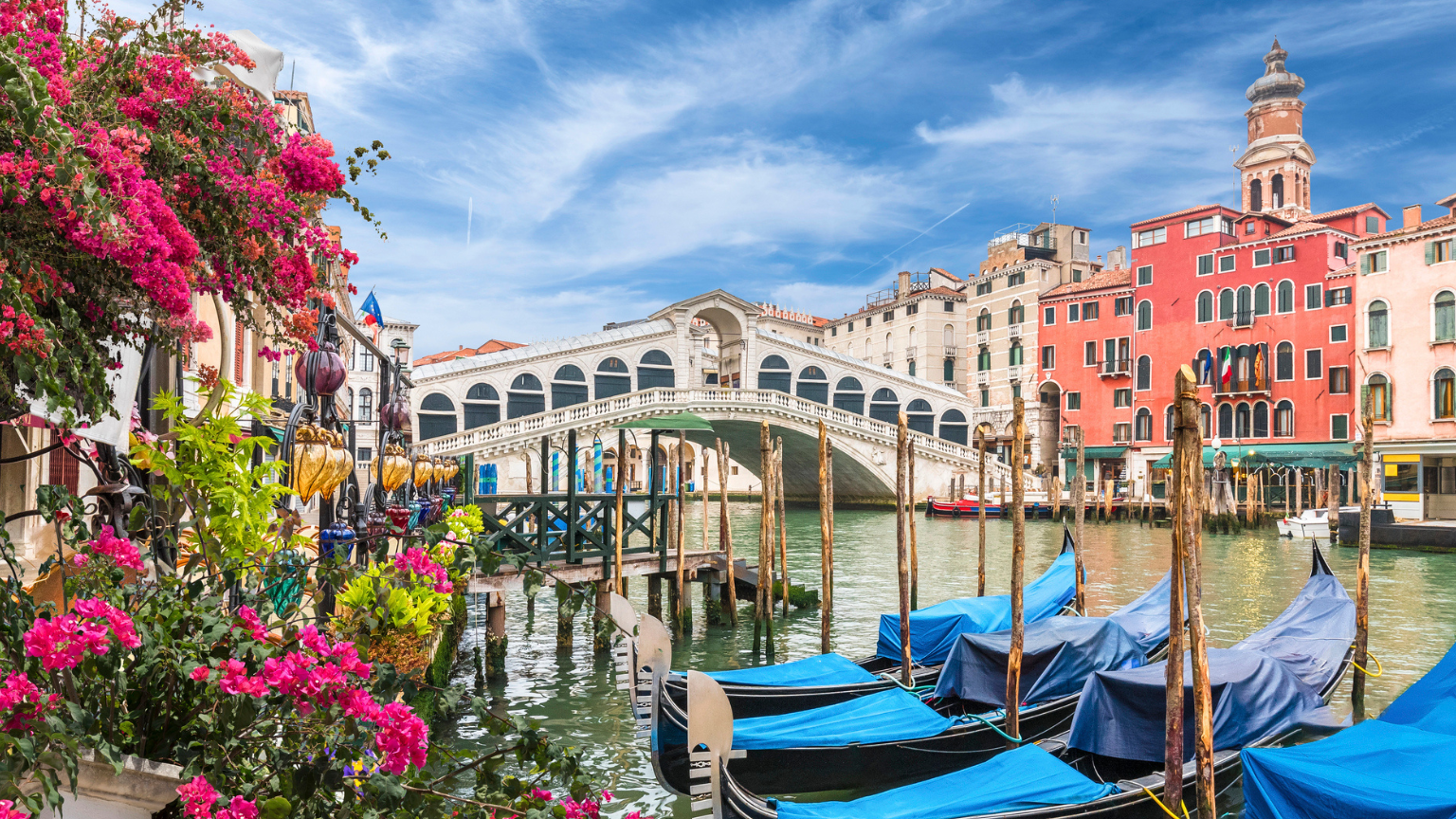

Walk through any famous city center in peak season and it can feel like the place exists only for visitors. Souvenir shops line the streets, menus appear in five languages, and you hear more rolling suitcases than local chatter. At the same time, there are people who actually live there. They commute, shop for groceries, walk their dogs, and send their kids to school on these same streets.
So that raises a real question. Can a city be a major tourist destination and still function as a genuine local neighborhood, not just a backdrop for vacation photos? The short answer is yes, but it takes intention from everyone involved, from city planners to landlords to visitors who say they want “authentic” travel and then have to back that up with their choices.
When Tourism Starts To Push Locals Out
The tension starts when tourism stops being “one of many” parts of a city’s economy and becomes the main engine. Rents climb as landlords realize they can earn more from short term rentals than from long term residents. Grocery stores turn into souvenir shops and cocktail bars. Noise climbs, local services move out, and those who stay often feel like extras in a show that is no longer for them.
You see this in neighborhoods where it becomes hard to find a hardware store, a family doctor, or a school, but very easy to find branded coffee and matching “tour group” umbrellas. It is not that visitors are doing anything wrong by showing up. It is the scale and the imbalance that causes problems. When almost every new business is designed with tourists in mind, the neighborhood’s original purpose starts to crumble. It stops being a place to live and becomes a place to consume.
What Balance Actually Looks Like On The Ground
Balanced tourism feels very different. In a city that manages to be both a hotspot and a real neighborhood, you notice a mix. You see kids in school uniforms next to people pulling carry on luggage. You hear the clink of glasses from a bar that clearly caters to visitors, but also watch older locals playing cards or chatting on park benches. There are souvenir shops, yes, but there is also a butcher, a bakery, a pharmacy, and a post office.
Morning is usually a good test. In a neighborhood that still belongs to its residents, early hours are for deliveries, trash pickup, dog walking, and people heading to work. The tourist energy comes later. In a neighborhood that has tipped too far toward tourism, the streets might feel oddly empty until late morning, when the first day tours arrive. It is still a real place, but its daily rhythm has been bent around visitor schedules instead of local life.
How City Policies Can Protect Both Sides
City governments play a huge role in whether a neighborhood keeps its soul or becomes a theme park version of itself. A few key decisions make an enormous difference.
Limiting the number of short term rentals keeps entire buildings from turning into de facto hotels. When some units are for visitors and some are for residents, you maintain that everyday baseline of people who are there year round. Protecting rent controlled housing or creating incentives for long term leases gives locals a reason to stay and invest in their community.
Zoning rules can also help by making sure every district has room for essential services. It might sound boring compared with buzzier tourism strategies, but requiring a certain amount of space for schools, clinics, and real shops ensures that a neighborhood never turns into a strip of only restaurants and souvenir stands. Those little things do far more to protect “authenticity” than any marketing slogan ever will.
Business Owners Standing In The Middle
Local businesses often feel this balancing act most sharply. On one hand, tourists can make the difference between a struggling shop and a thriving one. On the other hand, chasing only high margin visitor spending can push prices up so much that regulars stop coming.
Some owners handle this balance carefully. They keep lunch specials or set menus that locals can afford while also offering a few higher priced items that appeal to visitors. They keep signage in the local language first, with translations added rather than replacing it. They adjust hours to serve both weekday residents and weekend travelers. In the best cases, they become bridges between locals and visitors, not just vendors.
The result is a business that feels real. You may hear a language mix at the next table, watch regulars greeted by name, and still feel welcomed as a traveler. That is the sweet spot.
The Role Travelers Play In Keeping Neighborhoods Real
It is easy to blame cities or landlords, but travelers themselves have power too. The places you choose to stay, eat, and shop send a message. If everyone books only the cheapest short term rental in the most overloaded part of town, it pushes the market in a predictable direction. If more people are willing to stay in locally owned hotels or guesthouses, even a few blocks off the main drag, that spreads the impact out.
The same goes for your daily choices. Buying breakfast from a corner bakery instead of a global coffee chain, visiting a neighborhood market, or taking a walking tour led by someone who actually lives there all help keep a city’s life grounded in its residents. It does not mean you cannot visit big sights or famous spots. It just means you are also contributing to the everyday economy that lets people live there comfortably.
When A City Gets It Right
When a city gets the balance right, you can feel it almost immediately. You might arrive at a famous square that is undeniably busy, but then walk five minutes and find a tree lined side street full of kids playing, neighbors talking, and laundry hanging from balconies. Transit is useful for visitors, but clearly designed for locals first. Public spaces are clean and well loved, not just staged for photos.
You start to notice that life would clearly go on here even if tourists vanished tomorrow. That is the test. A true local neighborhood does not exist because visitors come. It exists because people live, work, and raise families there. Tourism becomes a chapter in the story, not the entire plot.
Why This Balance Matters For The Future Of Travel
As more people travel and more cities face pressure from rising visitor numbers, finding this balance is only going to become more important. Destinations that burn out their local communities eventually burn out their appeal too. The most memorable trips usually happen in places where daily life still feels intact. Where you can sit in a square, listen to the sounds around you, and feel that this place has a life beyond your time in it.
So can a city be both a tourist hotspot and a true neighborhood? Yes. It requires thoughtful policies, committed residents, fair minded businesses, and travelers who care about more than just getting the perfect selfie. When all of those pieces come together, you get cities that welcome visitors warmly while still feeling like home to the people who live there. And those are the places that stay special, even as the world keeps discovering them.
Follow us on MSN for all your travel and lifestyle tips.
This article was written by Hunter and edited with AI Assistance