
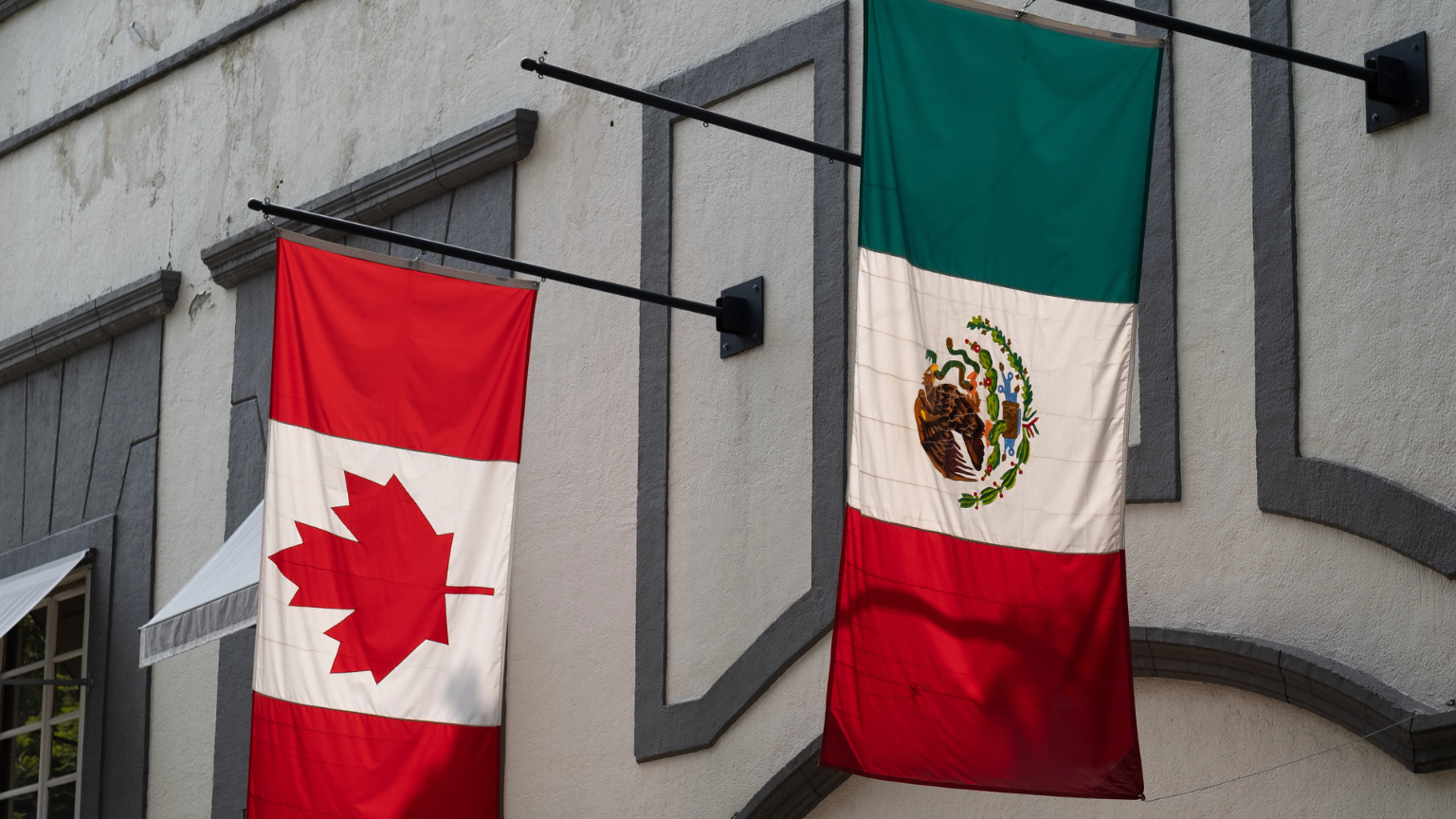

Travel between the United States, Canada, and Mexico is getting a modern makeover, and it comes with a higher price tag. California has joined Texas, Wisconsin, Michigan, Washington, Vermont, and several other border states in updating how the I-94 process works at land crossings. These changes include a shift to fully electronic records, new options to apply online before you travel, and an increase in fees starting in September 2025. The goal is to speed up border crossings and improve tracking of travelers, but anyone driving or walking across the border will need to get familiar with the new rules and requirements.
Key Changes to the I-94 Process at Land Borders
The I-94 form is used to record the arrival and departure of non-U.S. citizens, and it has long been part of air and sea travel. Now, the land border system is catching up. Under the updated process, Customs and Border Protection is moving I-94 records into a digital format that travelers can access through the CBP website or app.
Non-U.S. travelers entering by land from Canada or Mexico will see several main updates:
- Electronic I-94 records: Paper forms are being phased out in favor of digital records that travelers can look up online.
- Pre-application option: Travelers can complete their I-94 application and pay the fee online up to seven days before they arrive at the border, cutting down on wait times at the crossing.
- Fee increase: Starting in September 2025, the cost of obtaining an I-94 will rise, meaning that border trips will be slightly more expensive.
- Departure proof: Travelers leaving the U.S. for Canada or Mexico need to keep evidence of their departure to avoid any confusion or issues on future entries.
- Extra rules for Canadians on longer stays: Canadian citizens staying in the U.S. for 30 days or more must meet U.S. alien registration requirements, which may involve obtaining an I-94 or submitting additional forms if one is not issued.
These updates are meant to modernize the system and reduce paperwork, but they also place more responsibility on travelers to keep track of their digital records and documentation.
California: Faster Crossings, Higher Costs at the Mexico Border
In California, the new I-94 rules are most visible at land crossings into Mexico and on return trips back into the U.S. Travelers now have the option to complete the I-94 process online before they reach the border, which should help reduce long lines and congestion at busy ports of entry. The electronic system allows officers to pull up records quickly and confirm traveler details with fewer delays.
However, the upcoming fee increase means that these more efficient crossings come with added cost. Anyone using an I-94 for land travel should also be careful to keep proof of departure when they leave the U.S., such as Mexican entry stamps, boarding passes, or other official documents. This evidence can help avoid misunderstandings about overstays the next time they try to cross back into the United States.
Texas: Streamlined Yet More Expensive Border Travel
Texas, home to some of the busiest land crossings with Mexico, is also rolling out the new I-94 structure. Travelers will benefit from the ability to pre-apply online and move through inspection points more quickly, especially during peak travel seasons and holidays.
At the same time, higher I-94 fees beginning in September 2025 will affect frequent cross-border visitors, seasonal workers, and tourists. Non-residents are strongly encouraged to keep clear records of their exit from the U.S. when they head into Mexico so that their digital travel history remains accurate and future entries are not delayed by questions about prior trips.
Wisconsin: Easier Access for Canadian Visitors
In Wisconsin, the updated system largely impacts travelers coming by land from Canada. The electronic I-94 process will simplify entries for those who need the form, particularly travelers planning business trips or extended visits. Digital records reduce the chance of losing paperwork and allow visitors to check their status online.
Canadian travelers who intend to stay 30 days or longer now need to pay close attention to the new alien registration requirements. That may mean obtaining an I-94 or, in some cases, completing forms such as the G-325R if an I-94 is not automatically issued. Following these rules helps avoid problems with future visits and ensures that immigration records stay clean and accurate.
Michigan: New Requirements for Longer Canadian Stays
Michigan’s border crossings with Canada, including those near Detroit and across the Upper Peninsula, are also affected by the I-94 changes. Canadian travelers popping over for short shopping trips, sports events, or quick getaways may not notice much difference beyond the electronic process.
The biggest impact falls on Canadians planning to stay in Michigan for 30 days or more. These visitors must now secure an I-94 or otherwise meet U.S. alien registration requirements to remain in good standing. The move to digital records makes it simpler to manage and verify their status, but it also raises the stakes for staying organized and compliant during longer visits.
Washington: Faster Crossings on the Northern Border
Washington State, which shares a busy border with British Columbia, stands to benefit from faster processing times thanks to electronic I-94s. Travelers driving between places like Vancouver and Seattle will see less reliance on paper forms and more emphasis on pre-applied, digital records.
As in other states, Canadians who plan to stay in Washington for more than 30 days must pay attention to the updated alien registration rules. Meeting the new requirements helps prevent delays, secondary inspections, or issues at future border crossings. For short visits, the experience should feel smoother as the system becomes more efficient.
Vermont: Smoother Crossings with Canada
Vermont’s quieter but important crossings with Canada are also shifting to the new digital I-94 system. Short term Canadian visitors often will not need an I-94 at all, especially for quick visits under 30 days. For those planning a longer stay, however, the rules are stricter.
Canadian citizens who intend to remain in the United States beyond the 30 day mark must now ensure they meet alien registration standards, which may involve applying for an I-94 or following additional documentation steps. The upside is that travelers can pre-apply online and avoid lengthy paperwork at the border itself, leading to more predictable and streamlined crossings.
Other States Likely to Follow
While California, Texas, Wisconsin, Michigan, Washington, and Vermont are in the spotlight, other border states are expected to move in the same direction as the I-94 modernization continues. Likely candidates include:
- Arizona, a major gateway to and from Mexico with heavy traffic at key crossings.
- New York, which shares busy land borders with Canada and handles significant tourism and commercial travel.
- North Dakota, where several crossings serve both local communities and long haul travelers.
- Montana, another northern border state that could adopt electronic I-94 records and higher fees as part of the national push.
The exact timing and details may vary by state and port of entry, but the overall trend is toward digital systems, expanded pre-travel options, and uniform fee structures across the country.
What These Changes Mean for Travelers
In practical terms, travelers heading to Canada or Mexico by land should prepare for both smoother processing and higher costs. The ability to apply online in advance and access digital records through the CBP platform can save time and reduce stress at the border. At the same time, the fee increase starting in September 2025 will make each I-94 issuance more expensive, especially for frequent cross-border visitors.
Non-U.S. citizens should get into the habit of:
- Completing I-94 applications online before arriving at the border whenever possible.
- Keeping clear proof of their departure from the United States when traveling to Canada or Mexico.
- Checking how long they plan to stay and, for Canadians in particular, making sure they meet alien registration requirements for extended visits.
A More Modern, But Costlier, Border Experience
California’s move to join Texas, Wisconsin, Michigan, Washington, Vermont, and other states in raising travel charges and shifting to electronic I-94 records is part of a broader modernization of U.S. land border procedures. The changes aim to make crossings more efficient, improve tracking of entries and exits, and cut down on paperwork for both officers and travelers.
The tradeoff is higher fees and a more complex set of rules for longer stays. As these updates roll out, travelers who take a little time to understand the new system, apply in advance, and keep their documentation in order will be in the best position to enjoy quicker, more organized crossings between the United States, Canada, and Mexico.
Follow us on MSN for all your travel and lifestyle tips.
This article was written by Hunter and edited with AI Assistance