
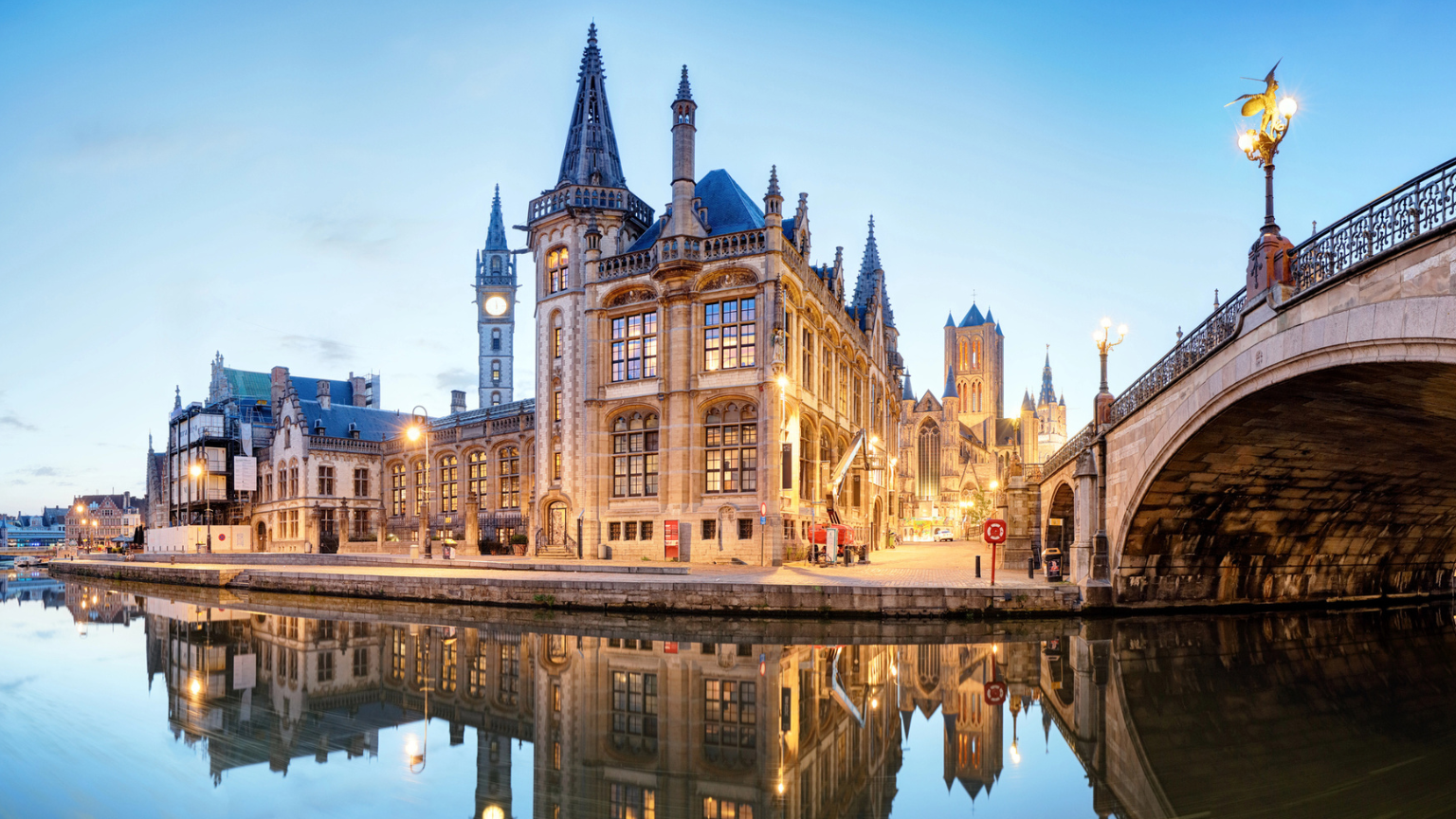

The cobbled streets, baroque churches, and crooked alleys that sell Europe to the world as a fairy tale are having a very real crisis. Crowds that once appeared only in July are now a year round reality, pushed along by cheap flights, short term rentals, and social media videos that can turn one quiet street into a global bucket list item overnight. Locals talk about living in a theme park where luggage wheels never stop rattling and grocery stores get replaced by souvenir stands. In recent years, that frustration has boiled over into coordinated protests from Barcelona to Lisbon and Venice, with residents rallying against what they call “touristification” rather than tourism itself.
At the same time, something quieter is happening behind the headlines about water guns and graffiti. Neighborhood assemblies, resident lawsuits, and small advocacy groups are testing new ways to protect historic centers without shutting the gates completely. They are pushing for caps on cruise passengers, limits on short term rentals, higher day trip fees, and even new tech tools that change how people move through old towns. None of this is as flashy as a viral travel reel, but it may decide what these places feel like in ten years.
When TikTok Turns a Quiet Lane Into a Crowd Magnet
If you want to understand how fast things can change, look at what happens when a destination goes viral. One small Italian ski town recently saw thousands of extra day trippers arrive over a single weekend after a major TikTok creator showcased the slopes to her followers. Roads jammed, lifts overloaded, and local officials had to scramble to restrict bus access and bring in emergency crowd control. Residents described the atmosphere as chaotic and said the infrastructure simply was not built for that many people at once.
The same dynamic plays out in postcard perfect old towns. Austria’s tiny lakeside village of Hallstatt has been dealing with this for years, thanks to photos and clips presenting it as one of the most “Instagrammable” spots in Europe. Tour buses used to arrive almost nonstop until authorities began limiting coach entries, while locals complained that narrow streets, small squares, and lakeside paths were being swamped by day visitors hunting for the same viewpoints they saw online.
TikTok and Instagram do not create overtourism on their own, but they accelerate it. A place that used to be discovered slowly through guidebooks and word of mouth can suddenly attract thousands of people who all want to stand in the same doorway or on the same set of steps. For tightly packed medieval centers, even modest spikes in visitor numbers change how it feels to walk around, whether you live there or are just trying to enjoy a day in town.
Old Towns At Breaking Point
Several European cities now rank among the most crowded tourist destinations on earth when you look at visitors per square kilometer. Cities like Barcelona, Paris, Amsterdam, and Venice show up again and again in overtourism discussions, not just because they attract huge numbers of visitors, but because so many of those people funnel into compact historic centers. Locals talk about being squeezed out by short term rentals, noise, and souvenir shops that replace bakeries, hardware stores, and neighborhood cafés.
Dubrovnik, the walled Croatian city that starred in “Game of Thrones,” has become a textbook case. Tourism officials have warned that the combination of cruise ships, cheap flights, and social media fame is putting unsustainable pressure on the UNESCO listed Old Town. In response, the city has capped cruise traffic at a limited number of ships and passengers per day, while preparing a special traffic zone and app based system to control tour buses entering the historic core.
Barcelona’s Gothic Quarter and seafront neighborhoods have faced their own tipping point. Anti tourism protests have grown louder, with residents citing soaring rents, noise at all hours, and streets that feel permanently jammed. Some experts warn that the city simply has more visitors than its historic districts can handle if nothing changes.
Grassroots Movements Fighting Back
Behind every new rule or tax, there is usually a local movement that pushed for it. In 2024 and 2025, thousands of residents in cities like Barcelona, Palma de Mallorca, Lisbon, Venice, and Ibiza joined coordinated marches organized by regional anti touristification networks. The protests used strong imagery, from cardboard cruise ships pulled through narrow alleys to mock eviction scenes and banners hanging from balconies. Residents stressed that tourists themselves were not the enemy. Their target was a model of tourism that treats entire neighborhoods as revenue machines instead of places to live.
In Barcelona, neighborhood assemblies campaigning for “tourism degrowth” have staged creative actions in the city center. Activists have taped off hotel entrances, used water pistols in symbolic protests near luxury shops, and plastered walls with messages about housing and noise. These are not fringe groups. They reflect a broad feeling that the balance has tipped too far toward visitors and away from residents in the historic core.
Amsterdam’s resistance has taken a different route. A citizens’ group called “Amsterdam Has a Choice” has pushed for a legal cap on the number of overnight stays in the city. Residents say mass tourism is hollowing out the canal belt, filling it with souvenir shops and chain stores while long term neighbors move away. The campaign has gathered thousands of signatures and donations, turning legal action into another tool in the effort to reclaim old streets from party crowds and viral photo spots.
Local Rules And Quiet Experiments In Crowd Control
Some of the most powerful changes do not look dramatic on the surface. Venice has introduced a day trip fee for visitors who enter the historic center without staying the night and has expanded the number of peak days when the charge applies. Last minute arrivals pay more, which nudges people to plan ahead and spreads out demand. The city has also limited tour groups to smaller sizes and banned loudspeakers in the historic core, small tweaks that make a big difference on narrow bridges and alleys.
Dubrovnik’s caps on cruise passengers and its upcoming traffic regime zone follow the same logic. Limiting how many coaches can approach the Old Town at once means fewer waves of people all hitting the same gates within minutes of each other. City officials have talked about shifting from sheer volume to quality, encouraging longer stays and more spending per visitor instead of endless bus tours that rush in and out.
Elsewhere, the focus is squarely on housing. Barcelona has announced plans to phase out thousands of tourist apartments over the next few years and has already raised tourist taxes, especially for short cruise visits. Activists say restricting short term rentals is one of the few measures that can actually free up homes and bring back full time residents to historic neighborhoods. Similar debates are happening in Lisbon, Palma, and other old towns where rent has surged faster than local wages.
Why The Push To Save Old Towns Feels “Underground”
If you scroll through your social media feed, you will see far more videos selling you Europe’s old towns than you will see posts explaining why locals are protesting. City marketing campaigns, influencer partnerships, and sponsored travel content are designed to keep the spotlight on beautiful facades, not on tenant unions or legal battles over hotel permits. That is one reason the resistance can feel underground, even when thousands of people are marching in the streets.
Much of the real work happens at the neighborhood level. Residents attend late night meetings about zoning and licenses, translate dense legal documents, and map out which streets need better crowd control or new signage. In Barcelona and Lisbon, local groups have pushed for caps on short term rentals and stricter enforcement long before national media took notice. In Amsterdam, campaigners spent years gathering testimony and data before they were ready to file a lawsuit. None of this is as visible as a protest banner, but it has a direct impact on how historic districts are managed.
There is also a generational shift. Younger residents who grew up with social media understand how quickly a new “secret spot” can blow up once a big creator posts a video. Some have started their own counter storytelling accounts, highlighting alternative neighborhoods, lesser known towns, and slower forms of travel instead of the same five selfie angles. These small projects may not go viral, but together they represent a new way of defending old towns by reshaping what counts as desirable in the first place.
How You Can Visit Without Adding To The Problem
The good news is that you can still visit Europe’s historic centers without becoming part of the overload story. It starts with timing. If you have flexible dates, choose shoulder seasons and midweek arrivals instead of peak summer weekends and major holidays, when protests and pressure tend to be worst. Even within a single day, visiting early in the morning or later in the evening keeps you out of the biggest day trip waves.
Where you stay matters just as much. Booking licensed accommodations, especially locally owned hotels or guesthouses, supports the legal tourism economy instead of fueling unregulated rentals that replace housing for residents. When you can, stay overnight instead of racing through on a day trip. Cities like Venice are explicitly designing their new fees to discourage hit and run visits that clog the streets but do little for local businesses.
Once you arrive, think about how your movements affect the oldest parts of town. Choose smaller walking tours or licensed guides who cap group sizes rather than joining big flag led mobs that fill an entire lane. Spend more time in lesser known neighborhoods or nearby towns instead of only chasing the most viral view. That might mean skipping a single overcrowded square in favor of a calm side street café where you can actually hear yourself think. Local activists are not asking visitors to stay home forever. They are asking people to show up with awareness, spend their money in ways that benefit communities, and leave enough breathing room for old towns to remain real places instead of backdrops.
If that sounds like more work than simply copying a TikTok itinerary, that is exactly the point. The underground push to save Europe’s overloaded old towns is not about making travel harder. It is about slowing things down just enough so that residents can keep living where their families have been for generations and visitors can experience something more authentic than a crowded selfie queue. In the long run, that is the only way these beloved historic centers can stay both beautiful and alive.
Follow us on MSN for all your travel and lifestyle tips.
This article was written by Hunter and edited with AI Assistance