
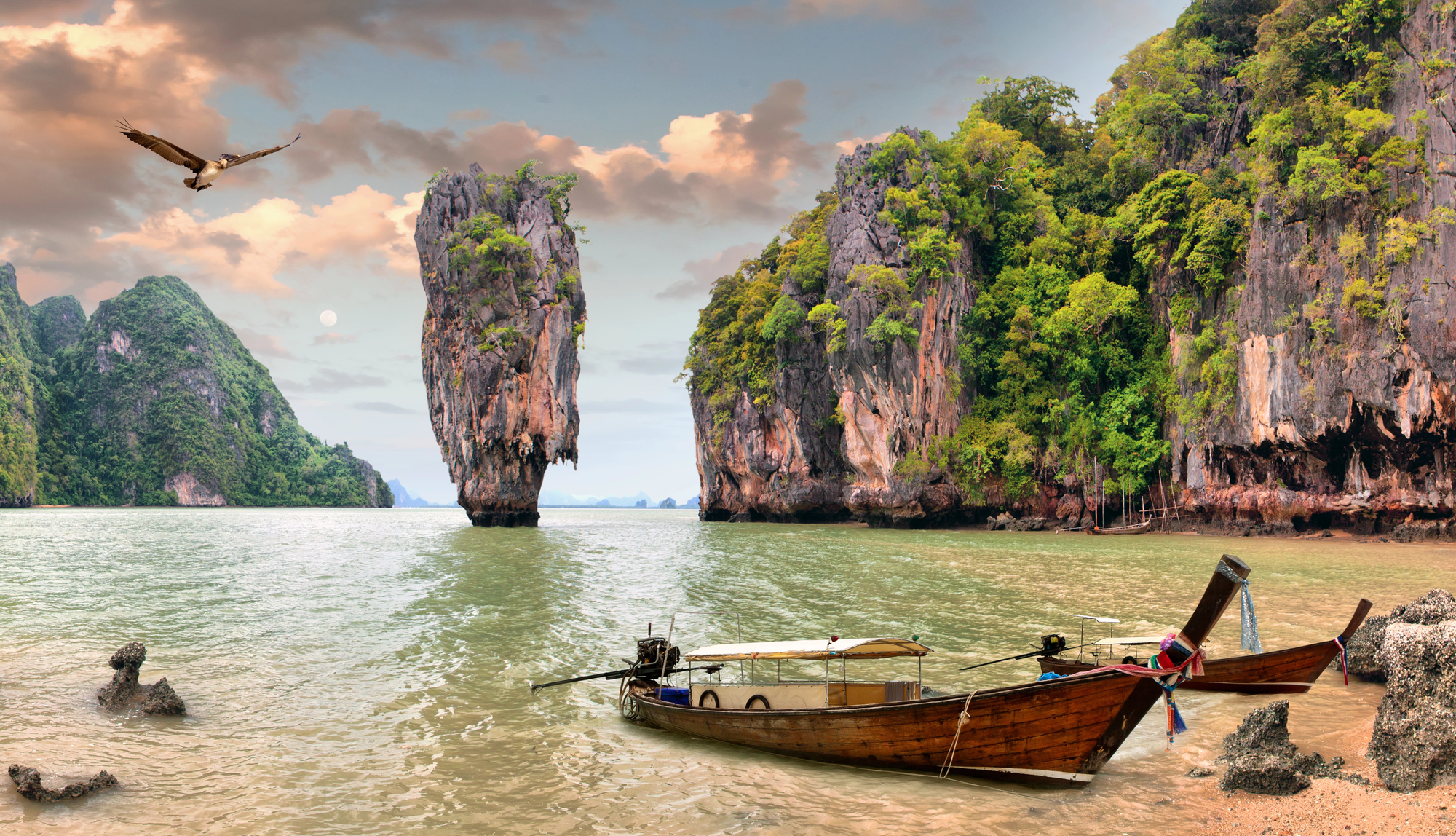

Picture this: serene landscapes, authentic cultures, and the kind of tranquility that can only be found where the footprints of tourists are few and far between. It's not a fantasy; there are islands around the globe where the rhythm of daily life is set by the locals, not visitor itineraries. These special spots offer a unique glimpse into island life, where the balance leans heavily in favor of the resident population. Let's sail through the list of islands where you can experience genuine local vibes, minus the tourist crowds.
1. Saba (The Unspoiled Queen of the Caribbean)

Saba, known as the Unspoiled Queen, is a breathtaking island where the local population truly shines. With fewer than 2,000 residents, this island's charm lies in its untouched landscapes and tight-knit community. There are no traffic lights, and the only road famously called “The Road That Couldn't Be Built” snakes through lush greenery and past spectacular ocean views. Here, tourists are a rare sight, allowing for genuine interactions with locals who are proud to share their vibrant culture and traditions. Saba offers an escape into a world where nature and community prevail over commercial tourism.
2. Molokai (Hawaii's Hidden Gem)

Molokai remains one of Hawaii's best-kept secrets, where the aloha spirit lives strong among its residents. Unlike its more famous siblings, Molokai has resisted the urge to commercialize, allowing its native Hawaiian population to maintain a lifestyle that's deeply connected to their traditions and the land. With no high-rise buildings and a ban on cruise ships, the island's pace is dictated by nature and community, not tourism. Visitors are welcomed with open arms but in numbers that never overwhelm the local way of life. Molokai is a testament to Hawaii's rich cultural heritage, untouched by mass tourism.
3. Isle of Eigg (Scotland's Eco Pioneer)

The Isle of Eigg stands out as a beacon of community and environmental stewardship. Owned by its residents, Eigg has pioneered sustainability practices, from renewable energy to conservation projects, setting a global example. Tourists are few, but those who venture here are treated to a rare insight into a community living in harmony with nature. The island's population, small yet vibrant, welcomes visitors keen on learning and respecting their way of life. Eigg is a place where local culture and environmental consciousness go hand in hand, offering a truly unique Scottish island experience.
4. Tokelau (A Remote Polynesian Paradise)

With no airports and reachable only by a lengthy boat trip, Tokelau is one of the most isolated communities in the world. This trio of atolls in the South Pacific is home to about 1,500 people who live a subsistence lifestyle, largely unaffected by the outside world. The lack of tourists means that Tokelau retains its pristine natural beauty and traditional Polynesian culture. Visitors, on the rare occasions they arrive, are met with warm hospitality and the chance to witness a way of life that has remained unchanged for generations. Tokelau offers an unparalleled glimpse into the authentic Pacific Islander lifestyle, far from the tourist trail.
5. Flores (Indonesia's Hidden Treasure)

Flores, part of Indonesia's Lesser Sunda Islands, is overshadowed by its famous neighbor, Bali, yet it is here that one can truly experience the Indonesian archipelago's untouched beauty. With a population that far exceeds the number of visitors, Flores offers an authentic slice of Indonesian life. The island's rugged terrain, encompassing volcanoes, lakes, and traditional villages, provides a backdrop for a culture that is distinctly its own. Locals live a life deeply connected to their environment, with festivals and traditions that have survived for centuries. For those seeking an intimate encounter with Indonesia's rich cultural tapestry, Flores is unmatched.
6. Foula (Britain's Most Remote Inhabited Island)

In the Shetland archipelago, Foula holds the title of Britain's most remote inhabited island. With a population hovering around 30, Foula's residents live closer to Norse traditions than modern Britain. The island's stark beauty, from its towering cliffs to the vast North Atlantic surrounding it, is as unspoiled as the lifestyle of its inhabitants. Here, visitors are a rare but warmly welcomed sight, offering a glimpse into a community that thrives on self-sufficiency and the rhythms of the natural world. Foula is a testament to the endurance of traditional lifestyles in the face of a rapidly changing world.
7. Îles de la Madeleine (Quebec's Maritime Jewel)

The Îles de la Madeleine, or Magdalen Islands, are a small archipelago in the Gulf of Saint Lawrence, where the local population's connection to the sea defines their way of life. Known for their stunning landscapes, from red sandstone cliffs to idyllic beaches, the islands remain relatively off the tourist radar. The Madelinots, as the locals are known, are fiercely proud of their Acadian culture, which is reflected in their music, food, and festivals. Here, the pace of life slows, and visitors are invited to partake in the celebration of a community deeply connected to its environment. The Îles de la Madeleine offer a unique blend of natural beauty and cultural richness, away from the crowds.
8. Niue (The World's Smallest Independent Nation)

Niue, a tiny island nation in the South Pacific, is a place where everyone knows each other by name. With a population of around 1,600, Niue offers a warm community atmosphere alongside stunning natural attractions, from limestone caves to crystal-clear snorkeling spots. Tourism is welcomed but remains a trickle compared to other island destinations, allowing Niue to preserve its laid-back lifestyle and pristine environment. Visitors here become part of the community, sharing in the locals' daily lives and customs. Niue stands as a remarkable example of an island where local life and natural beauty are the main attractions.
9. Ulva (Scotland's Community Buyout Success Story)

Ulva, a small island off the west coast of Scotland, made headlines when its community banded together to buy their island, ensuring its future and protecting its heritage. With just a handful of residents, Ulva is a place where the natural environment and historical sites are carefully preserved. The community's effort to rejuvenate the island has made it a fascinating place for those looking to understand the power of local action. Visitors are few but are treated to an intimate experience of Scottish island life, from ancient ruins to thriving wildlife. Ulva represents a triumph of community spirit and the beauty of Scotland's rugged landscapes.
10. Dominica (The Nature Island)

Dominica, known as the Nature Island, is a Caribbean gem where lush rainforests, bubbling hot springs, and an abundance of wildlife take center stage. Unlike more tourist-heavy islands, Dominica's small population lives in harmony with the environment, offering a model of sustainable living. The island has made significant efforts to preserve its natural resources, attracting eco-conscious travelers rather than mass tourism. Here, the warmth of the local community matches the island's tropical climate, welcoming visitors into a world where nature reigns supreme. Dominica is a paradise for those seeking an authentic Caribbean experience, far from the beaten path.
This article was written by a human and edited with AI Assistance