
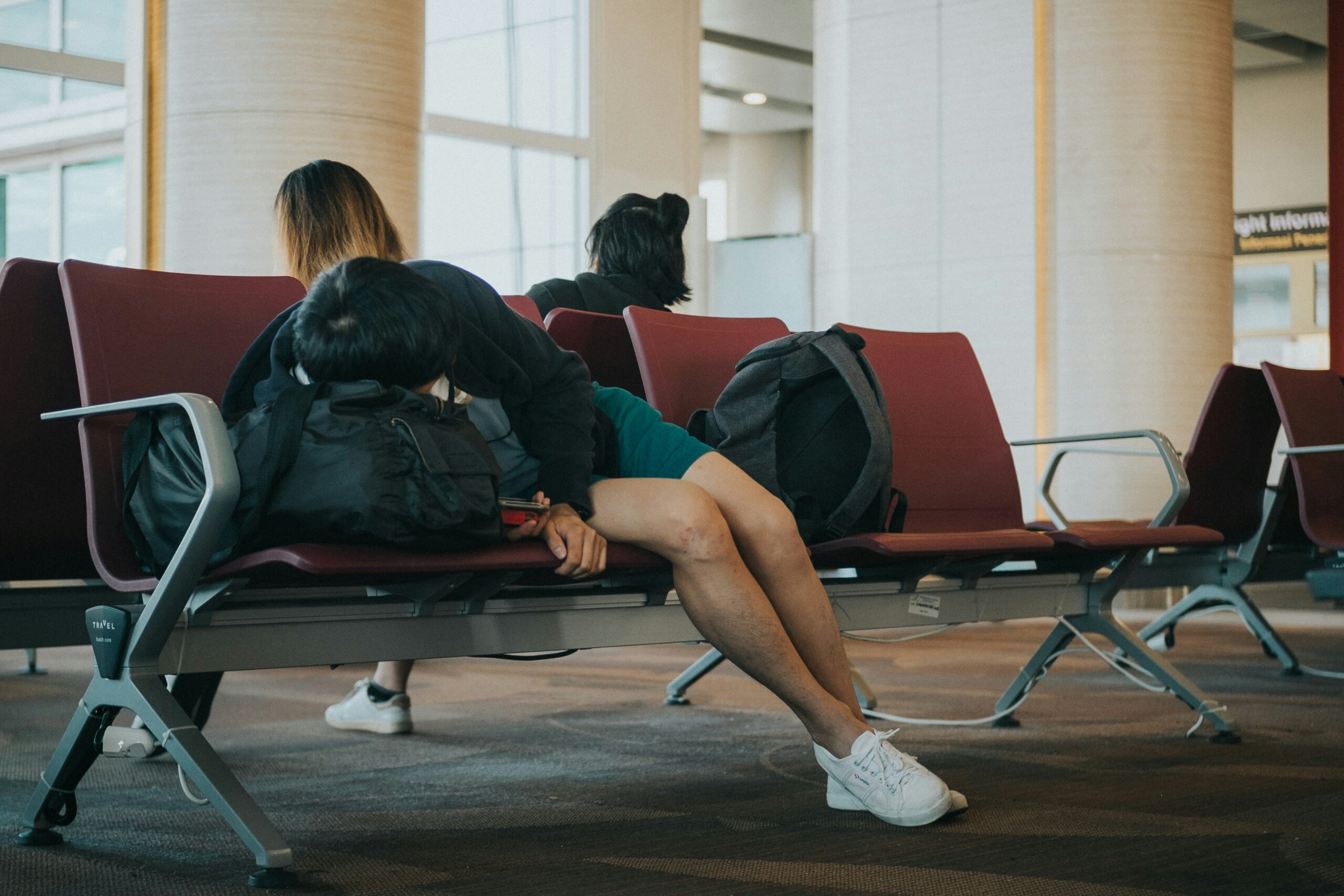
Jet lag can be a real drag when you’re eager to dive into your trip. Instead of enjoying your new surroundings, you might find yourself wide awake at odd hours or struggling to stay awake at dinner. Fortunately, you don’t have to just accept it. There are effective ways to minimize jet lag, backed by science and tried by seasoned travelers.
1. Why Jet Lag Can Ruin Your Trip
We’ve all been there-arriving somewhere exciting but instead of exploring, you’re wide awake in the middle of the night or fighting sleep while trying to enjoy your meal. The bright side? You don’t have to just endure it. There are practical methods to ease or even avoid the worst of jet lag. We’ve gathered ten science-backed tips that have helped our experienced travelers bounce back faster.
2. Find What Works Best for You

Jet lag doesn’t have to steal away your first few days. By combining smart preparation, staying hydrated, getting the right light exposure, and leaning on science where needed, you can dodge the hardest parts. Everyone’s body reacts differently, so try out the tips that suit you most. If you give these a shot, you might find yourself alert and ready at baggage claim instead of nodding off in your ride. For more travel wisdom, check out our full guide-helping you travel smoothly from takeoff to touchdown.
3. Soak Up Natural Light Right Away

Sunlight plays a huge role in setting your body’s internal clock. When you arrive, instead of crashing for a nap, step outside and get some fresh air and daylight-especially in the morning. Even a brief stroll can help your body start syncing to local time. If the weather’s gloomy or you land late, consider packing a portable light therapy device like Luminette glasses or a small HappyLight. These mimic sunlight, encouraging your body to adjust faster, which can help you adapt more quickly on future trips.
4. Keep Up Your Hydration Game

Airplane cabins are notoriously dry, and dehydration can worsen jet lag symptoms. Begin drinking plenty of water the day before you fly and continue sipping regularly throughout your journey. Try to drink a glass every hour or two while airborne to maintain energy and keep that sluggish, headache-prone feeling at bay. Carry a reusable water bottle, preferably one with a built-in filter like a LARQ, for easy refills. Avoid alcohol and caffeine during your flight since they can interfere with sleep and cause dehydration.
5. Shift Your Sleep Times Ahead of Your Trip

Preparing your body clock before you travel can make all the difference. Several days prior to flying, adjust your sleep and wake schedule closer to the time zone of your destination. For eastward travel, try going to bed and getting up earlier; if you’re flying west, push your bedtime and wake time later. Even shifting by an hour each day can ease your body into the new rhythm. Some travelers use apps like Timeshifter to create personalized adjustment plans. Starting this process early sets you up for a smoother transition upon arrival.
6. Use Melatonin Wisely

Melatonin is a natural hormone that signals to your body it’s time to sleep. Taking a small dose at the right moment can help reset your sleep cycle to match a new time zone. Ideally, take melatonin about half an hour before your target bedtime according to local time. Keep the dosage low-usually between 0.3 and 1 mg-to avoid feeling overly drowsy or disrupting your sleep pattern. Melatonin gummies or fast-dissolving tablets are traveler-friendly options. With strategic use, melatonin can speed up your adjustment and help you avoid that lingering zombie state.
7. Nap Strategically or Skip It
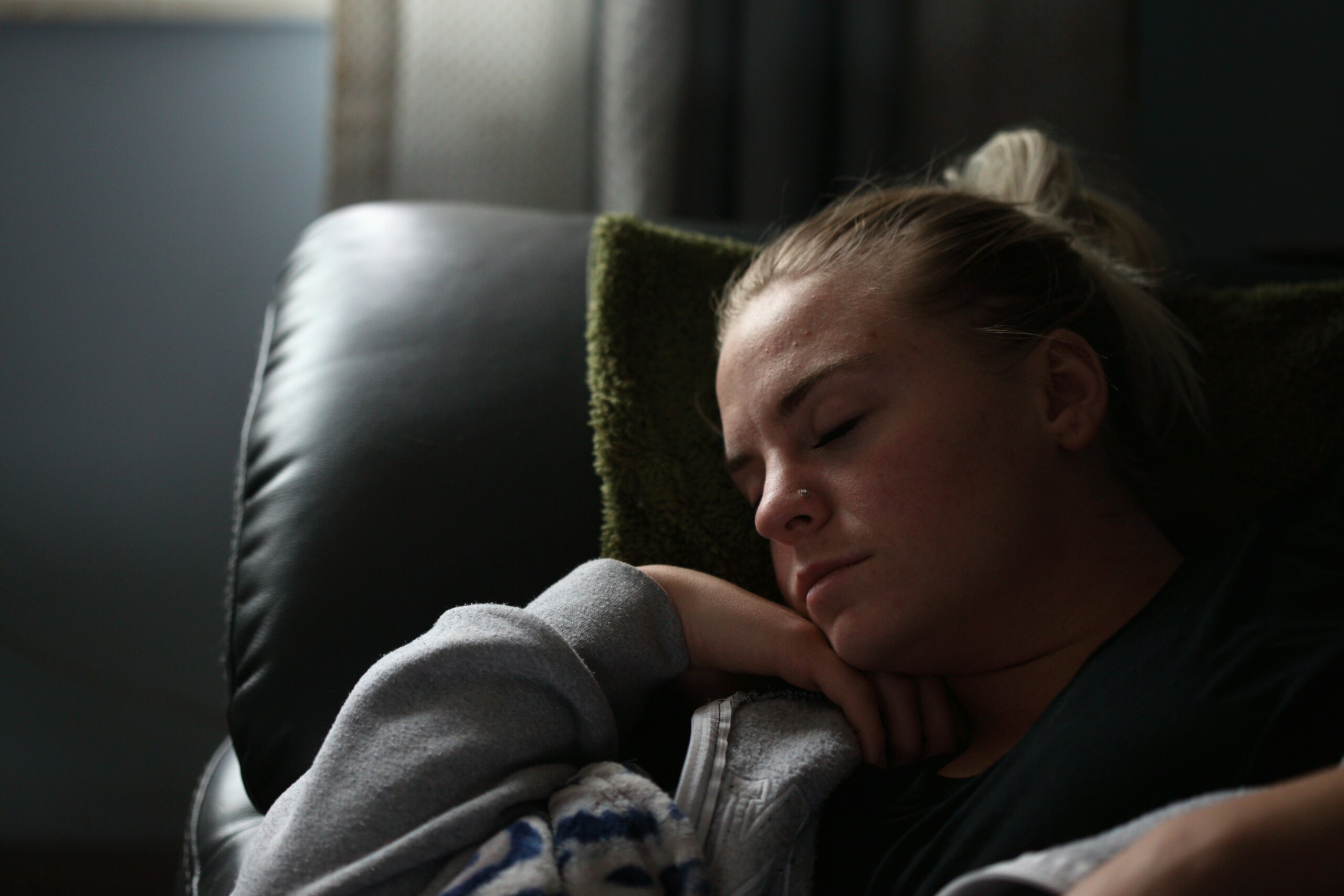
While a nap after a long flight may seem tempting, it can backfire if it’s too long or poorly timed. If you do nap, limit it to 20-30 minutes and try to do it early in the afternoon. Using tools like a comfy sleep mask and noise-canceling headphones or earplugs can help create the perfect mini-sleep environment. Avoid napping late or for extended periods, as it can confuse your internal clock and prolong jet lag. Smart napping can provide just enough energy to get through the day until it’s time for a proper night’s sleep.
8. Align Your Meals With Local Time

Your eating schedule influences your internal clock too. Eating according to your destination’s mealtimes helps signal to your body when to be alert or rest. Even if you don’t feel hungry, try to have a light snack at the local meal times to encourage syncing. For example, if you arrive in the morning, eat breakfast shortly after landing. If it’s evening, have a decent dinner and then start winding down. Avoid heavy or rich foods late at night, as they can disrupt digestion and make falling asleep tougher. Matching your meal times also helps prevent common travel-related stomach troubles.
9. Take It Easy on the First Day
Though it might be tempting to pack your first day with sightseeing, going full throttle can sabotage your jet lag recovery. Plan relaxing, low-energy activities like a gentle walk, grabbing coffee, or a simple park visit. Keep your meals light and familiar, and aim to stay awake until at least 8 or 9 p.m. local time before heading to bed. The goal is to ease your body gently into the new environment rather than exhaust yourself. This approach helps reduce burnout and makes your vacation feel like a true break instead of a battle against exhaustion.
10. Keep Moving Even When Fatigued

Staying active can help regulate your sleep pattern and boost your alertness, even when you’re worn out. After landing, a light workout-such as a brisk walk, some gentle yoga, or stretching-can invigorate you. If you have gym access, a quick routine can help, or apps like Seven and Nike Training Club offer easy workouts you can do anywhere. Moving your body increases circulation, elevates your mood, and signals to your system that it’s time to be awake. Regular movement during travel helps speed up adjustment to new time zones.
11. Optimize Your Sleeping Space
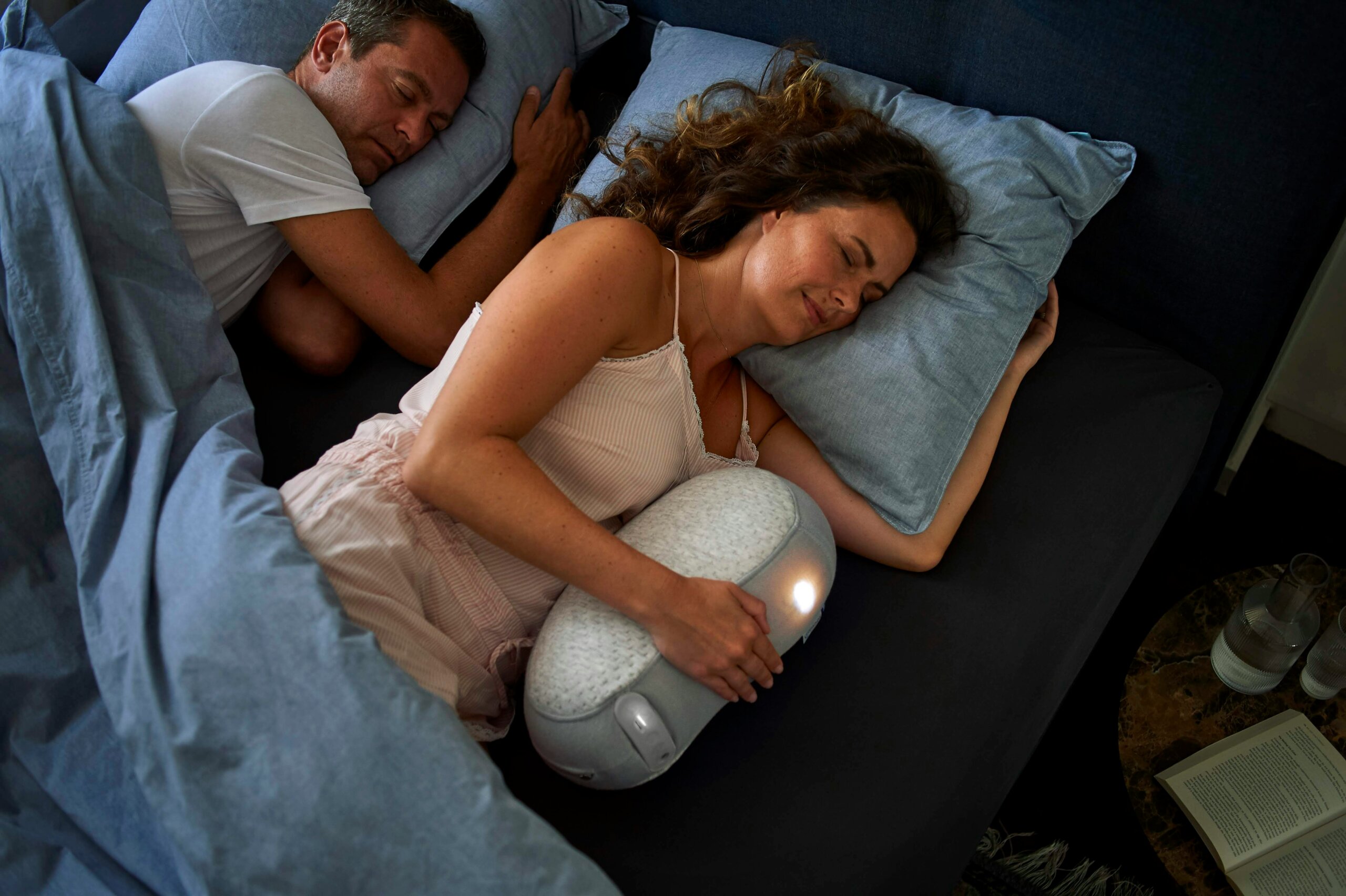
Sometimes your accommodation can make sleep tougher rather than easier. Excess light, unfamiliar noise, or an uncomfortable bed can all interfere with rest. Bring along essentials like a quality sleep mask, earplugs, or use white noise apps such as Rain Rain or Noisli to create a soothing environment. Aim to keep your room cool and dark for the best sleep conditions. Some travelers even pack their own pillow or pillowcase for added comfort and familiarity. Better rest during your first nights helps your body adjust faster and wards off that lingering foggy feeling.
12. Limit Screen Time Before Bed
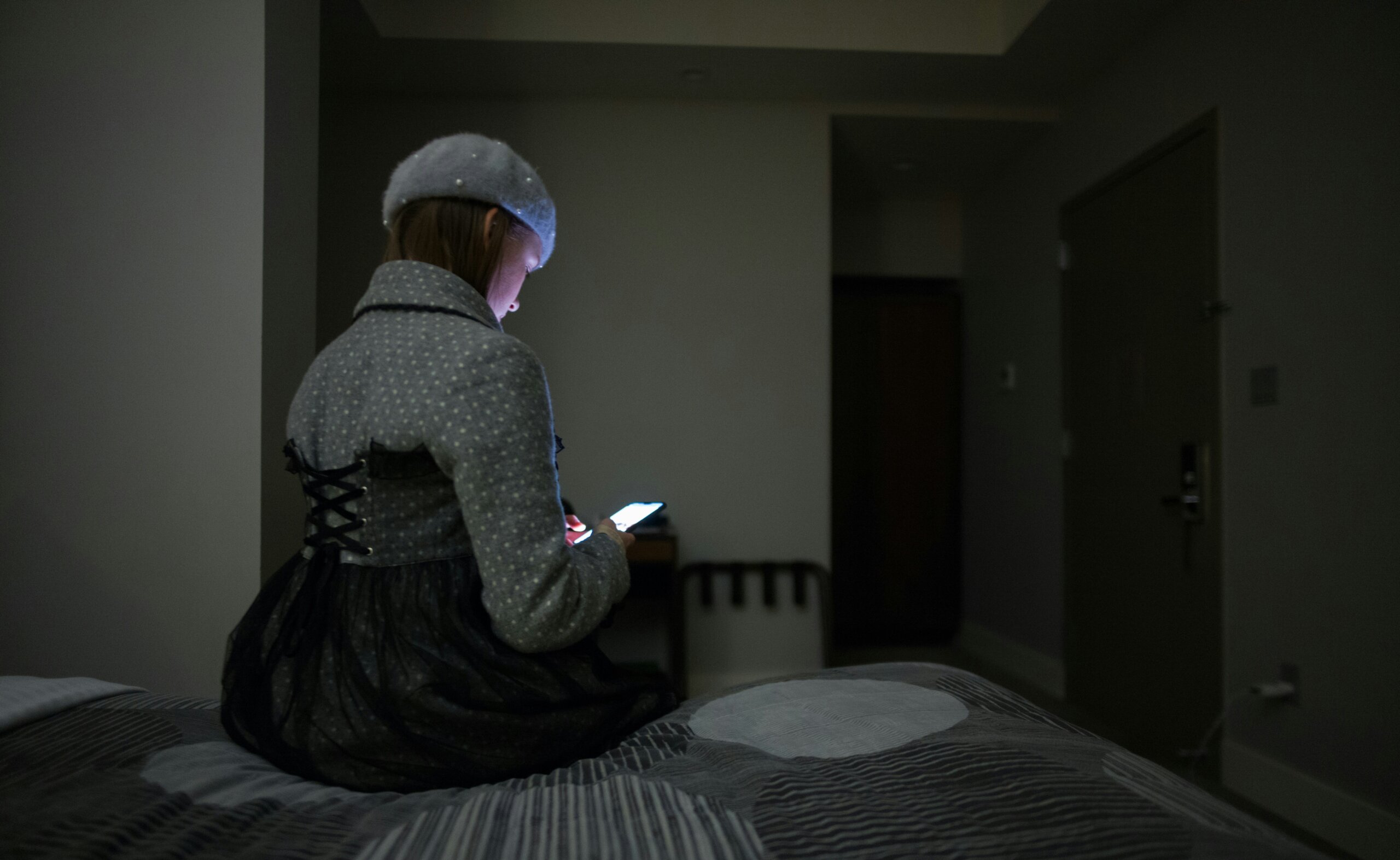
Blue light from phones, laptops, and tablets suppresses melatonin, which you want to avoid when trying to fall asleep in a new time zone. Try to cut back on screen use at least a couple of hours before bedtime. If you need to watch something to relax, use blue light filters like f.lux for computers or Night Shift on iPhones. Blue light blocking glasses are another helpful option, especially if you’re traveling for work and can’t escape screen time. Improving your nighttime sleep quality will make waking up and adjusting the next day much easier.
This article was written by Hunter and edited with AI assistance. The Daily Dive travel desk uses AI-assisted visuals and content that were reviewed and approved by our editors prior to publication.