

Below are fifteen communities that consistently score well on heat exposure, flood risk, wildfire exposure, and infrastructure readiness. Each pick is inland or elevated, has diversified water and power planning, and shows steady investment in housing, parks, and transit. The “by the numbers” details help you compare places without digging through reports. Use them as a starting point, then check neighborhood level maps before you move.
Duluth, Minnesota

Duluth’s location on the cold side of Lake Superior keeps extreme heat days unusually low, even during hot summers. Average summer highs stay comfortable, and the city sees far fewer days above 90 degrees compared to national norms. Elevation varies across the hillside, and many residential areas sit well above the lakeshore, which reduces direct flood exposure. The city has expanded stormwater storage and green infrastructure to handle heavy rain bursts. Tree canopy coverage feels substantial in older neighborhoods, which helps with cooling. Housing remains more affordable than most coastal markets while still giving you access to major medical facilities and a regional airport.
Ann Arbor, Michigan

Ann Arbor pairs a strong research economy with sensible climate fundamentals. Summers bring fewer high heat days than many peer metros, and the urban forest helps moderate temperatures on block by block scales. The Huron River corridor has extensive parkland and trails, and floodplain standards are well enforced in new construction. The city invests in bike lanes and transit, which cuts vehicle miles traveled per resident. Water supply diversification compares favorably with other Midwest college towns. Add in high hospital capacity per capita, and you get an all around resilient place to live.
Burlington, Vermont

Burlington’s northern latitude keeps heat spikes short and manageable. The compact street grid and robust tree canopy soften urban heat and make active transportation practical. Lake Champlain brings lake effect winds that help summer evenings feel cooler than inland areas at the same latitude. Many homes sit above the immediate waterfront, which helps with direct surge exposure. The local utility has leaned into clean power, and the city’s building standards keep driving energy efficiency. Farmers markets, regional rail connections, and year round outdoor culture round out a lifestyle that ages well as weather patterns shift.
Madison, Wisconsin

Madison benefits from a chain of lakes and a balanced climate that produces fewer severe heat days than many Midwestern peers. Neighborhoods are dotted with parks and trails, which keeps the heat index more comfortable on summer afternoons. The city has expanded stormwater detention projects to reduce flash flooding around low lying corridors. Public health and university medical systems provide strong hospital bed availability per capita. Transit and bike infrastructure have grown, shortening car commutes and lowering air pollution exposure. Steady job growth and a large public sector base create long term stability.
Rochester, New York

Rochester sits inland with a climate moderated by Lake Ontario, which means shorter heat waves and cooler nights. The city’s combined sewer system upgrades and detention basins have steadily reduced flood incidents in known hotspots. Mature neighborhoods maintain meaningful tree canopy that tempers heat, and the Erie Canal path doubles as both recreation and a green corridor. Water supplies remain robust thanks to regional reservoirs. Home prices still track below many Northeast metros while offering a strong medical and education presence. It is a practical place to set down roots if you want four seasons without volatile extremes.
Portland, Maine

Portland offers an ocean tempered climate with fewer high heat days than most East Coast cities south of Boston. The historic peninsula sits on higher ground than many Atlantic communities, and newer development has tightened building codes in flood exposed zones. The walkable street grid reduces car dependence and makes daily errands easy on foot. Local utilities have diversified power sources, and homeowners keep adding efficient heat pumps that perform well in shoulder seasons. Parks, coastal trails, and neighborhood trees add cooling benefits in summer. You get a small city lifestyle with a high ratio of services to residents.
Ithaca, New York

Ithaca’s Finger Lakes geography keeps temperatures moderate and helps hold summer heat in check. Hillside neighborhoods sit well above Cayuga Lake, giving most homes an elevation buffer against flood concerns. The city has invested in stormwater projects around the creeks that cut through downtown. A walkable core and extensive transit routes reduce vehicle emissions and heat trapping pavement miles. The local utility and campus facilities continue to roll out efficiency upgrades that show up in lower household energy use. With a strong education and research base, the economy stays steady through business cycles.
Grand Rapids, Michigan

Grand Rapids balances a growing economy with inland protection from coastal surge and sea level concerns. Summers are warming, but the area still records fewer extreme heat days than many large metros to the south. The city keeps adding green stormwater infrastructure to manage intense rain events. A strong network of hospitals gives the region solid emergency capacity ratios. Tree canopy has expanded through neighborhood planting programs, which helps reduce cooling loads in older homes. Housing options remain diverse, with many blocks seeing energy retrofits that keep monthly bills predictable.
Bellingham, Washington

Bellingham benefits from a marine climate with mild summers and cool nights that limit heat stress. The bay and mountain backdrop create steady breezes that help with natural ventilation. Much of the housing sits above immediate shoreline elevations, which reduces direct flood exposure for most residents. The city supports compact, walkable neighborhoods that keep daily driving distances low. Local utilities lean toward cleaner power mixes, and residents have widely adopted heat pumps and insulation upgrades. Access to trails and parks across town gives you comfortable outdoor time even during warmer stretches.
Corvallis, Oregon

Corvallis enjoys inland protection with a climate that stays temperate for most of the year. The university presence drives high rates of energy efficiency retrofits and alternative transportation use. The city has improved stormwater systems to handle heavy downpours that roll off the Coast Range. Heat days above the mid 90s remain infrequent compared to interior valleys farther south and east. Urban forestry coverage keeps expanding through street tree programs, which lowers neighborhood heat indexes. With a science driven local culture, emergency preparedness and public health communication score well.
State College, Pennsylvania

State College sits at higher elevation than many surrounding towns, and that altitude helps moderate summer heat. The community experiences fewer extreme temperature swings than larger Mid Atlantic cities. Flood exposure remains relatively contained to mapped creek corridors, and new homes follow strict elevation standards. The region’s hospital capacity and university resources offer strong emergency support for a town of its size. Transit, bike routes, and short commutes keep transportation emissions and heat pockets lower. It is a calm, practical base for families and remote workers who want a steady climate outlook.
Boone, North Carolina

Boone’s Blue Ridge elevation brings cool nights and a short summer heat season. Many neighborhoods sit above three thousand feet, which keeps outdoor life comfortable through July and August. The town has invested in slope stabilization and culvert upgrades to manage heavy mountain rains. Wildfire exposure remains low compared to many Western alpine communities, and air quality rebounds quickly after brief smoke intrusions. Public lands and greenways add shade and reduce urban heat pockets along key corridors. With a university anchored economy, services and health infrastructure punch above the town’s size.
Erie, Colorado

Erie splits the difference between Denver and Boulder with a slightly cooler microclimate and frequent evening breezes. New neighborhoods include modern insulation standards and efficient cooling systems that handle Front Range heat waves better than older housing stocks. The town has expanded water storage and conservation programs to steady supplies through dry spells. Flood exposure is primarily confined to mapped drainageways that are incorporated into parks and open space. Regional power mixes continue to add wind and solar, and rooftop systems are common on newer homes. With strong trail networks and parks, residents have cooler outdoor options close to home.
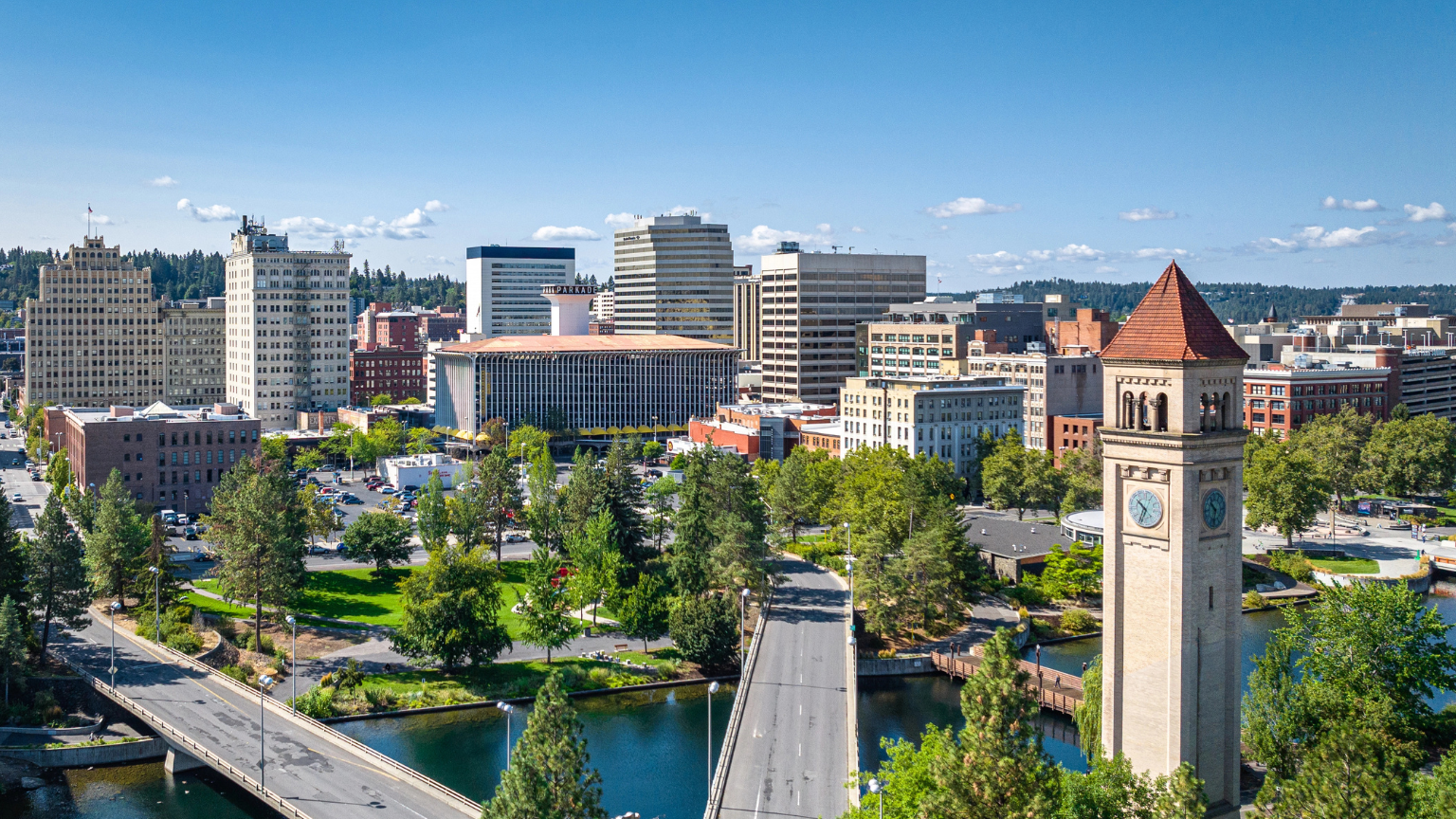
Spokane, Washington

Spokane sits inland with a dry summer climate that produces warm days and cooler nights, which is helpful during heat events. The city has invested in aquifer protection and water efficiency programs that keep supplies resilient. Parks and street trees make a noticeable difference in neighborhood heat indexes, especially around the river. Wildfire risk exists regionally, but urban buffers and fuels management projects have improved recent resilience. Hospital capacity per capita is high for a metro of its size, which shows up in regional emergency readiness. Commutes are shorter than in many coastal cities, which lowers transportation emissions and keeps air cleaner.
Pittsburgh, Pennsylvania

Pittsburgh’s three river confluence has a history with flooding, but modern levees, pump stations, and green infrastructure projects have reduced typical impacts in developed districts. The hilly topography lifts many residential blocks out of the lowest risk zones. The city’s tree canopy remains one of the more extensive among large interior metros, and shade programs keep expanding. Summers bring fewer extreme heat days than many East Coast peers at the same latitude. Transit, bike lanes, and short trip distances reduce heat trapping traffic on central corridors. A diversified economy and strong hospital systems add another layer of resilience for families looking long term.
This article was written by Hunter and edited with AI Assistance