
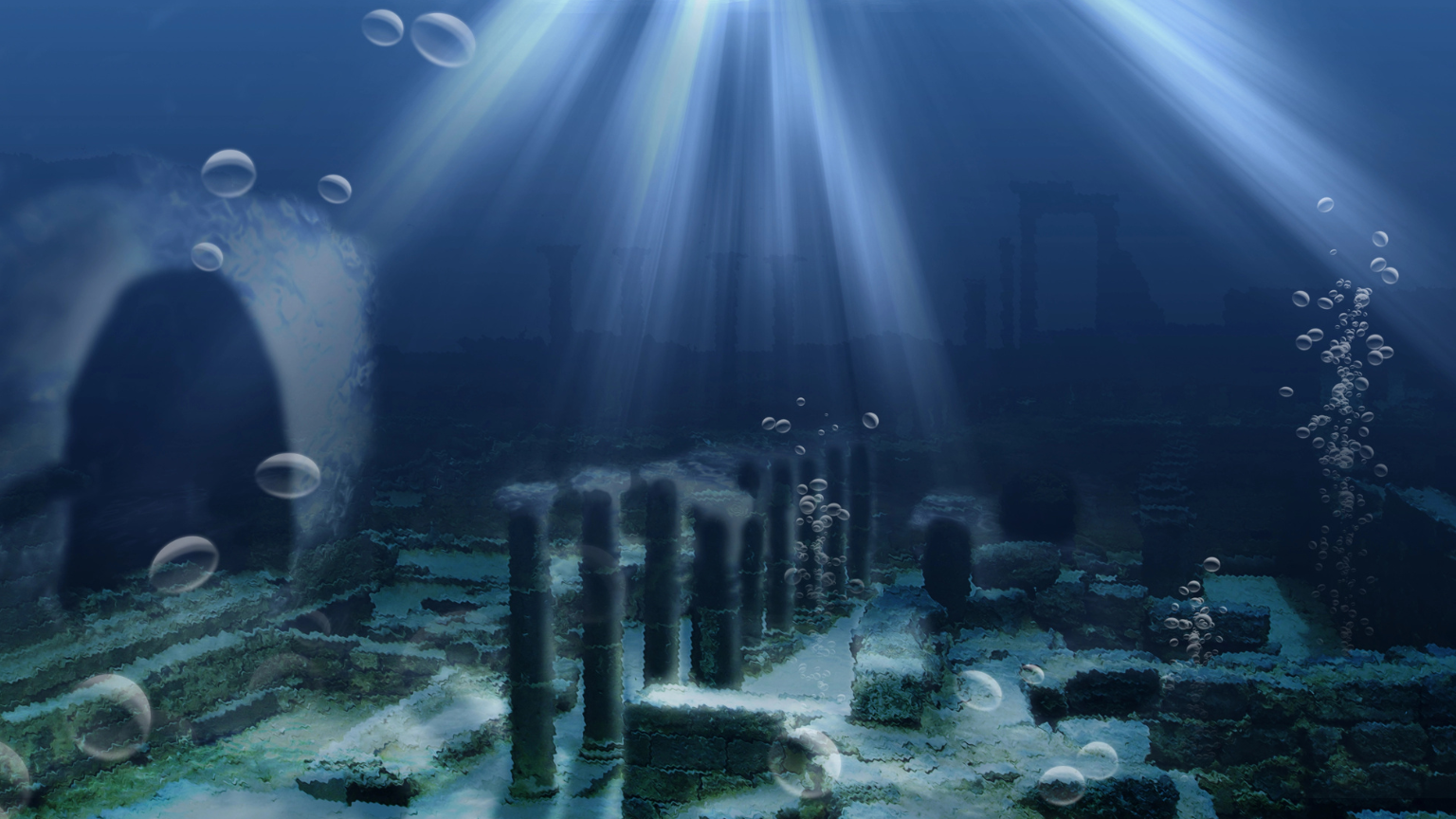

Archaeologists have uncovered a previously unknown ancient Minoan city beneath the waters off southern Crete. The discovery, made by a team working near Matala, has stunned experts with its unique preservation and scale. Researchers say this find offers fresh insights into Minoan urban life and architecture.
The site stretches over several hectares under the sea. It includes well-preserved building foundations, pottery fragments, and decorative artifacts. This discovery marks the first time an entire submerged Minoan settlement has been identified on Crete, altering current understanding of the civilization’s coastal development and trade networks.
The Discovery
The underwater city was found by a group of marine archaeologists using sonar mapping and diving expeditions. Excavations revealed stone houses, streets, and public spaces dating back around 3,500 years. The site lies roughly 60 kilometers south of Heraklion, close to the famous Palace of Phaistos and the modern resort town of Matala.
Among the recovered items are ceramic shards, bronze tools, and remnants of artisans’ workshops. The layout suggests advanced urban planning, with designated areas for residential and commercial activities. This challenges earlier views that Minoan towns developed mainly on land and shows significant maritime engagement.
What Scientists Say
Maria Vlazaki, a leading Minoan archaeologist, described the find as "nothing like this has ever been unearthed before." She explained the site could change views on how the Minoans constructed their settlements and managed coastal resources. Vlazaki highlights how the underwater location offers unique preservation conditions, revealing details lost in land sites.
Recent bioarchaeological studies on the island, including DNA analysis of ancient remains, complement this discovery. They suggest complex social structures and far-reaching trade connections during the Minoan era. The new city ties into these findings by showing active coastal hubs that likely facilitated commerce and exchange.
Dr. James Henderson, working on nearby Mycenaean sites, noted how the underwater city fits into broader research on Aegean civilizations. It provides clues about maritime routes and cultural interactions that shaped the ancient Mediterranean. Henderson’s team hopes this will pave the way for additional underwater explorations around Greece.
How to Experience It
Although the submerged city is not open for direct diving visits, travelers interested in Minoan history can explore the adjacent coastal region. The nearby Palace of Phaistos offers guided tours of a major Minoan site just a few kilometers from Matala’s beaches.
Local museums in Heraklion and surrounding towns display artifacts from recent excavations, helping visitors connect with the underwater discovery. Annual archaeological festivals and boat tours focus on the island’s rich past and ongoing studies beneath the waves.
Travelers keen on underwater archaeology can also visit established sites like Pavlopetri, considered the world’s oldest submerged town, located off the Peloponnese coast. These experiences highlight the importance of sea-level changes and ancient maritime life in shaping civilizations.
This extraordinary find off Crete’s shore invites reflection on how human settlements evolve and adapt. It encourages a wider appreciation of underwater archaeology’s role in uncovering lost chapters of history. For those fascinated by ancient civilizations and the mysteries hidden beneath the sea, this discovery marks a significant milestone worth following closely.
This article was written by a Daily Dive author and edited with AI assistance.