
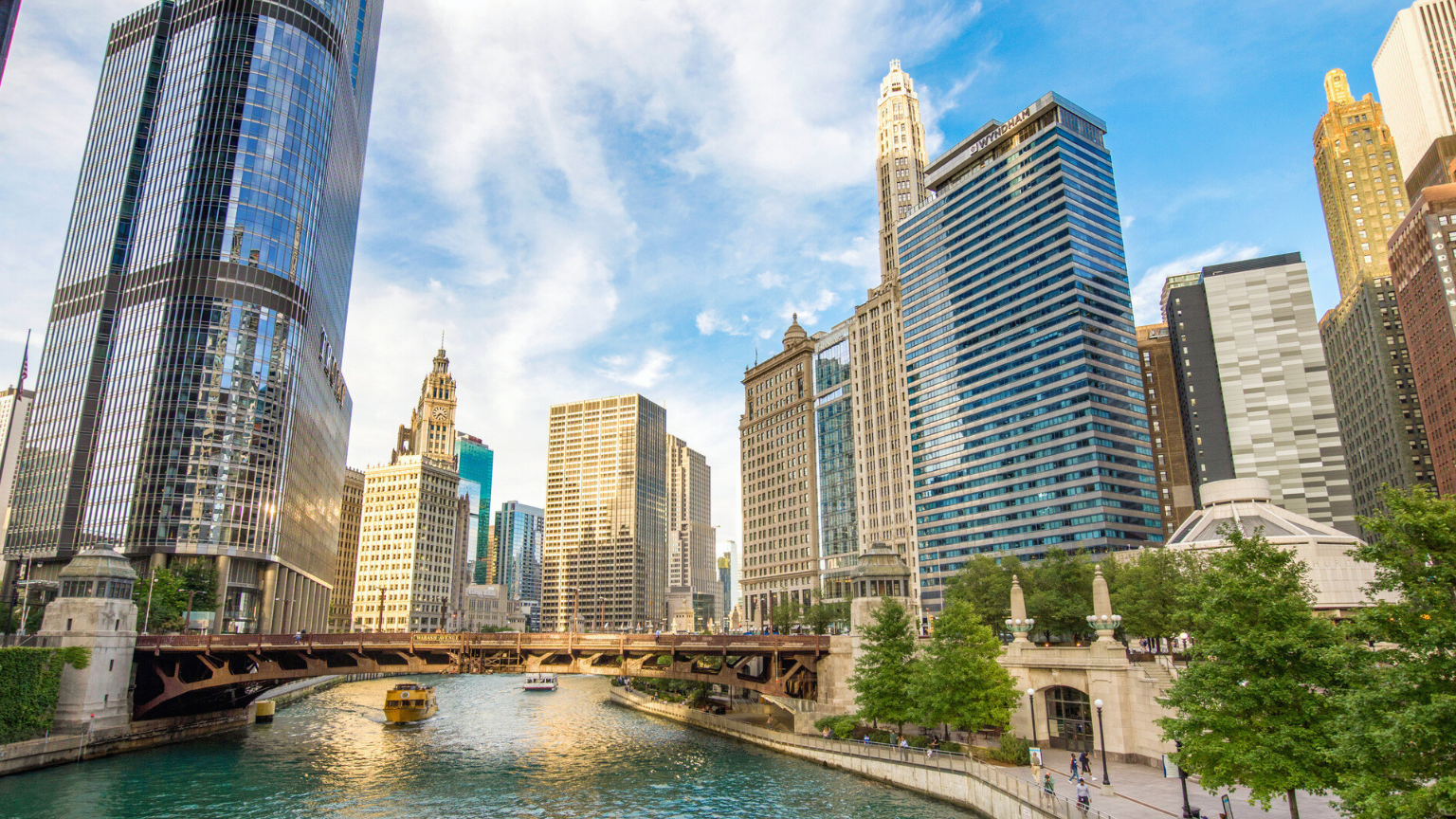

Every destination has strengths, yet some American cities spark concerns the moment you mention vacation plans. High crime headlines, sky-high prices, or never-ending traffic can turn travelers toward calmer options. Locals will rightly defend their hometowns, and many of these places still deliver amazing culture and food. Even so, visitor surveys and search-engine sentiment show these twenty cities struggling the most with image problems this year.
San Francisco, California

Golden Gate snapshots remain iconic, but visitors gripe about aggressive panhandlers and break-ins near tourist parking lots. Tech layoffs have not lowered hotel prices, so travelers pay premium rates while dodging sidewalk tents. Popular neighborhoods such as the Tenderloin sit next to must-see theaters, creating jarring first impressions. The city is investing in cleanup crews, yet perception lags behind reality.
Los Angeles, California

Sunshine and celebrity sightings tempt vacation planners, then the sprawl and traffic jams wear them down. Ride-share drivers warn about smash-and-grab thefts in high-end shopping zones. Beach boardwalks around Venice feel less carefree after dark due to encampments and visible drug use. Many tourists now stay in Orange County hotels and only dip into LA for a single day trip.
New York City, New York

The Big Apple rebounds from pandemic lows, but subway crime videos circulate daily on social media. A single Broadway ticket can top four hundred dollars, pushing families toward regional theaters at home. Luggage-laden newcomers face aggressive unlicensed cab drivers at airports despite posted warnings. Crowds in Times Square remain thick enough to exhaust seasoned travelers before lunch.
Chicago, Illinois

Downtown renovations look great, yet viral clips of flash-mob retail thefts haunt the city’s reputation. Property taxes drive restaurant prices higher than comparable Midwestern cities, and that sticker shock lingers. Lakefront winds feel romantic in summer, but winter cold snaps discourage all but the hardiest visitors. Police presence is visible, yet some tourists still choose Milwaukee for a similar skyline with fewer worries.
Baltimore, Maryland

The Inner Harbor shines on postcards, though vacant storefronts and crime statistics cloud the message. Carjackings rise in neighborhoods that once drew foodies, so guides now recommend rideshares over public transit after dark. Aquarium visits remain a highlight, but families often detour south to Annapolis for charming streets and safer vibes. Local leaders push community festivals to shift the narrative, but change moves slowly.
Detroit, Michigan

New stadiums and art installations brighten downtown blocks while abandoned houses proliferate just a few miles away. Limited mass transit means visitors rely on rental cars despite high auto-theft rates. Hotel reviews praise staff, yet caution against venturing far on foot at night. Detroit style pizza wins fans, but many guests split their stay with Ann Arbor to balance the experience.
Portland, Oregon

Coffee culture and waterfall day trips still attract weekenders, yet encampments under bridges shape first impressions. Prolonged political protests left boarded-up storefronts that reopen one month and close the next. Rental car break-ins remain common near popular trailheads within city limits. Travelers often base in suburban Vancouver, Washington, commuting in only for day activities.
Seattle, Washington

Rising hotel taxes and limited workforce staffing drive nightly rates past four hundred dollars downtown. Cruise passengers report sticker shock at parking lots that double as construction zones. Homeless encampments along the waterfront dampen strolls between Pike Place and the stadium district. Many Alaska bound cruisers arrive the same morning to avoid overnight stays.
Philadelphia, Pennsylvania

History buffs flock to Independence Hall, then discover downtown streets with persistent trash problems. TikTok trends highlight squeegee men approaching cars at major intersections, making drivers uneasy. Drug use in transit stations deters some families from hopping the subway. Nearby Bucks County wineries benefit as day-trip escapes from perceived city stress.
Miami, Florida

Ocean views remain stunning, but shootings in nightlife districts push out wary travelers. Resort fees and valet-only parking add hidden costs that spike final bills. Beach erosion and occasional seaweed blooms diminish that perfect Instagram shot. Budget conscious visitors choose Fort Lauderdale for similar sunshine without club-scene chaos.
Washington, D.C.

Monuments never disappoint, but rank-and-file travelers face long TSA lines at overworked Reagan National Airport. Metro service interruptions require expensive rideshares that thread through heavy traffic. Political rallies can shut avenues without notice, creating confusion and security bottlenecks. Families increasingly pick Williamsburg for a history fix with predictable logistics.
Atlanta, Georgia

Hartsfield-Jackson Airport leads the world in delays this season due to runway resurfacing. Violent carjackings in midtown parking decks generate steady headlines. Restaurant workers struggle with staffing shortages, lengthening wait times even for quick lunches. Savannah and Charleston absorb travelers seeking Southern charm minus the urban edge.
Houston, Texas

Summer heat indexes hit dangerous highs, making midday museum trips feel like marathon events. Flash flooding can strand rideshares on major arteries, delaying airport transfers. Reports of catalytic-converter theft spook rental-car users. Tourists often pivot to Austin for music and food with fewer weather worries.
St. Louis, Missouri

A surge in downtown shootings near nightlife corridors mars the Gateway Arch glow. Limited late-night public transit sends visitors scurrying back to hotel shuttles early. Empty retail space around the convention center raises safety questions after business hours. Kansas City draws barbecue pilgrims who once split their time between the two cities.
New Orleans, Louisiana

Jazz still pours from Bourbon Street, yet shootings in the French Quarter make global news. Rising hotel rates combine with hurricane insurance surcharges on restaurants, inflating menu prices. Sidewalks remain cratered, complicating stroller or wheelchair travel. Some festival goers now spend nights in Metairie to manage costs and concerns.
Memphis, Tennessee

Beale Street music bars rock nightly, but surrounding blocks see increasing thefts from parked cars. Persistent understaffing at Graceland causes long entry lines and mixed reviews. Many hotels implement key-card elevators to handle security but confuse first-time guests. Nashville absorbs a share of music travelers who once split visits between the two Tennessee cities.
Albuquerque, New Mexico

Balloon Fiesta magic endures, though property crime statistics rank among the highest nationwide. Old Town shops close early after daylight robberies spooked owners last season. Limited direct flights make last-minute rerouting expensive and time consuming. Santa Fe lures arts tourists looking for New Mexican culture with a safer vibe.
Oakland, California

Sports teams relocated, leaving the Coliseum area quiet and unsettling at night. Smash-and-grab incidents in tourist lots near Jack London Square remain frequent. Ferry service to San Francisco solves some issues but adds cost and time to each excursion. Napa Valley day trips bypass the city entirely when itinerary time runs tight.
Cleveland, Ohio

Rock and Roll Hall of Fame draws day trippers who leave before sundown. Winter lake-effect snow snarls flights and roadways midseason, frustrating schedule sensitive tourists. Downtown dining shows promise, yet vacant buildings still dominate key blocks. Pittsburgh’s growing tech scene and polished riverfront steal a share of Rust Belt tourism.
Orlando, Florida

Theme park ticket hikes price out many families even before resort fees land. Hours-long ride queues persist despite paid skip-the-line add-ons that feel unfairly expensive. Interstate traffic jams can double the drive from airport to hotel with no warning. Non-park attractions struggle for visibility and often disappoint visitors seeking respite from cartoon crowds.
This article was written by Hunter and edited with AI Assistance