
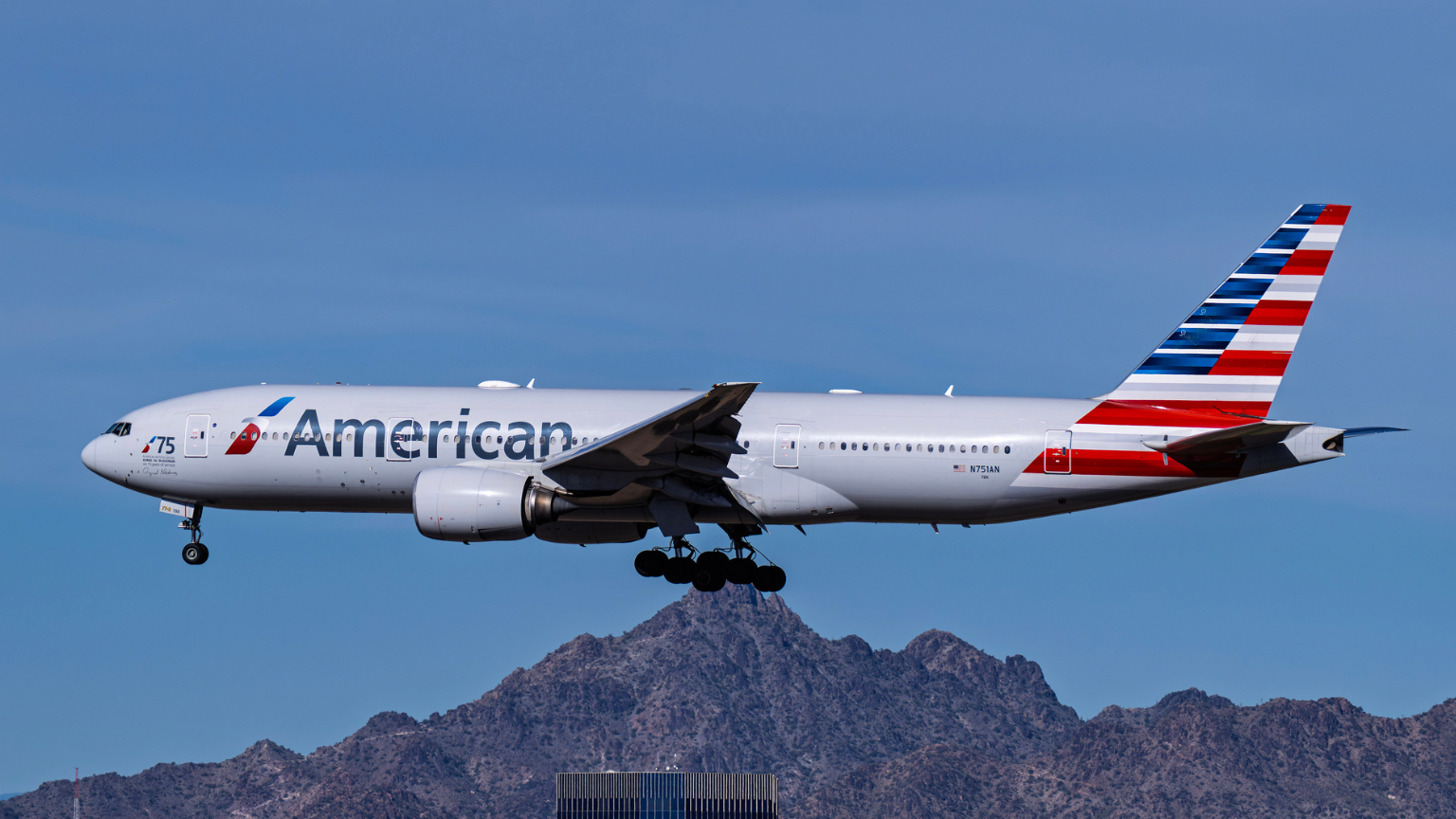

American Airlines is adding new flights out of two of the most powerful hubs in the country, Chicago O’Hare and Los Angeles International. For travelers, that usually means one thing: more nonstop options, more convenient departure times, and more ways to connect without awkward layovers. But for American’s biggest competitors, the expansion is not being welcomed with open arms. United is making it clear it plans to defend its position at O’Hare, while Delta sees American’s additions at LAX as a direct shot at its strength in Los Angeles. As summer travel ramps up, the real question is how aggressively United and Delta will respond.
Chicago and Los Angeles are major gateways for both business and leisure travel. They also come with limited space, especially when it comes to gates and scheduling flexibility. That is why new routes at these airports are not just about serving passengers. They are also about influence, market share, and who gets to control the best real estate inside the terminals.
American Airlines Adds New Routes From Two Major U.S. Hubs
American says its new service out of O’Hare and LAX reinforces its network and gives customers more ways to get where they want to go without extra connections. The airline already operates thousands of daily flights across a wide domestic and international map, and this latest push adds more reach from two airports where competition is intense.
From Chicago O’Hare, American is launching new nonstop service to Allentown, Pennsylvania and Columbia, South Carolina, with both routes scheduled to start May 21 and operate twice daily. The airline is also adding Chicago to Kahului, Maui, with daily service beginning December 17. That Hawaii route is designed as a winter seasonal option and is scheduled to run through March 27, 2027. It also complements American’s existing service to Honolulu and is expected to be operated using a widebody aircraft.
From Los Angeles, American is adding daily service to Cleveland and Washington, D.C., starting April 7. Those are practical, high demand markets that appeal to a mix of business travelers and people visiting friends and family. For passengers, this type of expansion is often about convenience more than anything else. A new daily nonstop can eliminate an entire connection and can also open up better same day travel options.
The Expansion Also Reaches Beyond Chicago and Los Angeles
American’s broader summer strategy is not limited to just two airports. The airline is also building out domestic connectivity through other hubs, aiming to link smaller cities and popular seasonal destinations more efficiently.
In Phoenix, American plans to add seven new routes, including service to places like Anchorage, Bozeman, and Kalispell. That kind of network growth matters because it helps travelers reach outdoor and mountain destinations without complicated routing. In Boston, American is also adding new service to Madison and Nantucket, strengthening its options for both Midwestern connections and classic summer getaways.
From American’s perspective, these additions are meant to offer more choice across the map and create better coverage for a wide range of travel styles. Whether someone is flying for a quick work trip, a weekend wedding, or a winter escape, the airline is positioning these routes as a way to make planning easier and reduce friction.
Why United Is Bristling Over Growth at Chicago O’Hare
The Chicago story is less about the destinations and more about the airport itself. Gate access is a serious advantage at a hub like O’Hare because it determines how many flights an airline can realistically schedule and how much flexibility it has when operations get messy. It also shapes long term growth, especially in competitive seasons like summer.
United has been vocal about protecting its footprint at O’Hare and has signaled it does not intend to let American gain ground at United’s expense. The debate centers on gate availability and how expansion could shift the balance of power at the airport. At O’Hare today, United holds a larger share of gates than American, and United views that advantage as something worth defending aggressively.
For travelers, hub battles can show up in subtle ways. Airlines may respond with extra capacity, more frequencies on key routes, or schedule changes designed to keep customers loyal. When two carriers push for dominance at the same airport, passengers often benefit from more options, but they can also see more crowding during peak times as airlines add flights to hold their ground.
Why Delta Sees American’s LAX Moves as a Direct Challenge
Los Angeles is a different kind of fight. Delta has spent years strengthening its position at LAX and frequently promotes itself as a top airline in the market. That is why new American routes out of LAX are being viewed as more than simple schedule updates. They are a clear attempt to compete more aggressively in a hub where Delta has been working hard to stand out.
American’s new LAX routes, especially the daily flight to Washington, D.C., are particularly interesting because that lane is also important to other major carriers. Adding more year round service on popular routes increases pressure on competitors to maintain frequency and pricing strength. It also signals that American wants to be taken seriously as a heavyweight option for travelers starting their trips in Southern California.
For passengers, this kind of competition can be a win. More daily options often translate into better departure times, fewer awkward layovers, and sometimes improved fares when airlines try to protect their share. The downside is that LAX is already a busy airport, and increased capacity can bring more congestion at gates and in terminals during peak hours.
What This Means for Travelers Heading Into Summer
If you fly out of Chicago or Los Angeles often, American’s new routes are likely to feel like an upgrade. More nonstops and more daily frequencies make it easier to pick a schedule that fits your life instead of forcing you into whatever is left. For business travelers, that can mean same day flexibility and fewer missed connections. For leisure travelers, it can mean a smoother start to a vacation and less time spent in transit.
At the same time, the strong reactions from United and Delta suggest this will not be a quiet expansion. When airlines start defending hubs, it can lead to a wave of added flights, strategic scheduling, and an overall increase in competition that plays out over months. That usually helps travelers in the form of more choices, but it also highlights how much of modern air travel is shaped by gate space and hub control.
American is clearly pushing for more relevance at two major airports at the same time. Passengers may love the added options, but United and Delta are not likely to stand still. The summer season should make it very clear whether this turns into a full scale route battle, or just the opening move in a longer fight for influence at two of the most important hubs in the U.S.
Follow us on MSN for all your travel and lifestyle tips.
This article was written by Hunter and edited with AI Assistance