
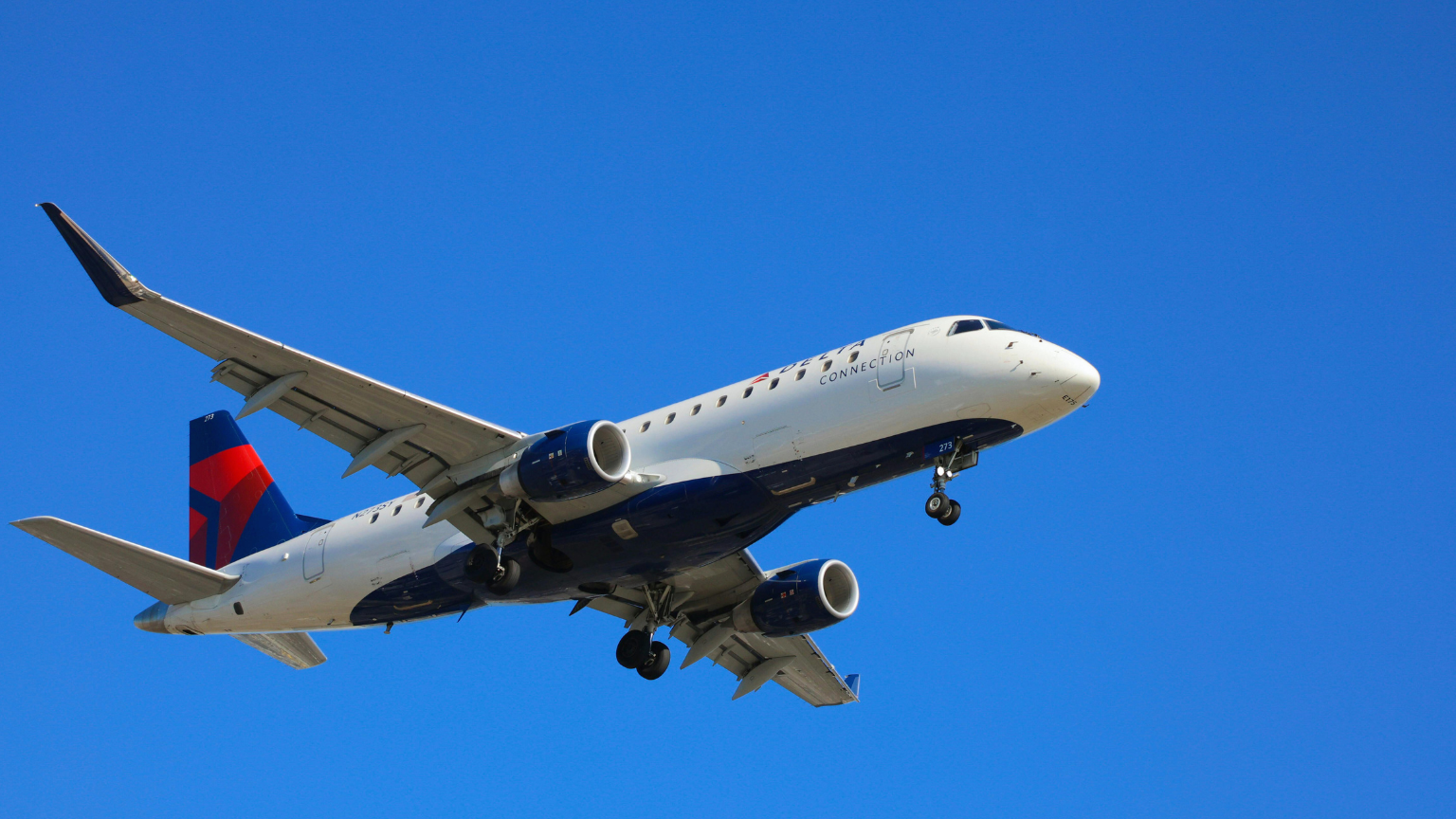

As the aviation landscape evolves, some U.S. cities are facing a surprising shakeup in 2026. Airlines are adjusting their routes, and these changes could impact your travel plans. Whether it's due to economic shifts, passenger demand, or strategic refocusing, the reasons behind these decisions are as varied as the destinations themselves. Let's check out which cities are getting the cold shoulder from airlines and what makes each case unique.
1. Topeka, Kansas (Bidding Farewell to Daily Flights)

Topeka, the capital city of Kansas, is seeing its daily flights become a thing of the past. Airlines have cited a consistent decrease in passenger numbers as the primary reason for this change. Although Topeka's airport has tried to counteract this by offering incentives to airlines, the efforts have not been enough to reverse the trend. This decision will leave locals with fewer direct travel options, nudging them towards longer drives to larger airports. It's a significant shift for a city that once enjoyed a convenient gateway to the rest of the country.
2. Long Beach, California (A Surprising Cut)

Long Beach, known for its laid-back vibe and beautiful coastal views, is facing an unexpected reduction in service. Despite being a popular tourist destination, airlines are reallocating their resources to nearby Los Angeles and Orange County airports. This move is partly driven by the desire to consolidate operations and focus on higher demand routes. The reduced service in Long Beach will likely impact local tourism and inconvenience residents accustomed to flying out of their city. It's a reminder of the fragile balance between local convenience and airline economics.
3. Lansing, Michigan (Losing Its Last Major Carrier)

Lansing, the heart of Michigan, is bracing itself as it loses its last major airline carrier in 2026. This decision is a blow to the city's airport, which has served as a vital link to the Midwest and beyond. The airline's departure is attributed to a strategic shift towards more profitable, larger markets. For Lansing residents, this means longer treks to Detroit or Chicago for national and international flights. The loss of this carrier is not just about fewer flights; it's about the broader impact on accessibility and economic connectivity for the region.
4. Mobile, Alabama (Saying Goodbye to Weekend Getaways)

Mobile, Alabama, once a favorite starting point for weekend getaways to the Gulf Coast, is seeing a reduction in its weekend flight services. Airlines argue that the demand on these routes does not justify the operational costs. This cutback will particularly affect leisure travelers, who often rely on weekend flights for short vacations. While business travel to and from Mobile remains steady, the lack of weekend options could deter tourists. This change highlights the challenges small airports face in maintaining a diverse flight schedule.
5. Erie, Pennsylvania (Winter Woes Lead to Cuts)

Erie, Pennsylvania, known for its heavy snowfalls, is experiencing service cuts primarily due to winter operational challenges. Airlines have found the seasonal weather conditions in Erie to be particularly problematic, leading to frequent delays and cancellations. This has made consistent service to Erie less viable from a financial and logistical standpoint. The city's travelers will now need to plan more carefully, especially during the winter months. Despite its picturesque winters, Erie's aviation outlook is looking a bit chilly.
6. College Station, Texas (Academic Flights No More)

College Station, home to Texas A&M University, is facing a downturn in flights that specifically cater to academic schedules. Airlines have historically adjusted their schedules to accommodate the influx of students during the academic year. However, a reassessment of route profitability has led to a reduction in these tailored services. This change will significantly impact students and faculty, who have relied on these flights for convenient travel to and from campus. The community must now seek alternative travel methods, underscoring the broader effects of airline route adjustments on small cities.
7. Pocatello, Idaho (A Quiet Exit)

Pocatello, Idaho, may not be the busiest hub, but its residents are feeling the impact of quieter skies. The city's modest airport will see even fewer flights as airlines pull out, citing low passenger volumes and high operating costs. This retreat from Pocatello is part of a larger trend where airlines are focusing on more lucrative, high-traffic routes. For locals, this means longer drives to catch a flight from larger neighboring airports. It's a quiet exit that speaks volumes about the changing priorities in the airline industry.
8. New Haven, Connecticut (Collegiate Connections Cut)

New Haven, known for Yale University, is losing airline services that have long connected it to other academic hubs. This reduction is part of broader industry shifts towards optimizing route networks for profitability. Students, faculty, and visiting academics will find their travel options significantly limited, affecting the ease of academic collaborations and visits. While alternative transportation methods are available, the convenience of air travel will be sorely missed. The city's connectivity to the broader academic and research community takes a hit with this change.
9. Santa Fe, New Mexico (Artistic Flights Diminish)

Santa Fe's vibrant art scene has always been a draw for tourists, but the city will see fewer flights in 2026, impacting this cultural tourism. Airlines are redirecting flights to larger, nearby airports, leaving Santa Fe's unique market underserved. This decision affects not just tourists but local artists and galleries that thrive on the influx of visitors. The charm of flying directly into the heart of New Mexico's art capital will be missed. It's a significant change for a city where the arts play a central role in its identity and economy.
10. Flagstaff, Arizona (Gateway to the Grand Canyon Narrows)

Flagstaff, often celebrated as a gateway to the Grand Canyon, is facing a narrowing of its air service. The city's airport, a convenient starting point for many adventurers, will see reduced flights as airlines adjust their routes. This reduction will likely impact tourism, not just to Flagstaff but also to one of the country's most iconic natural landmarks. Travelers will need to seek alternative airports, potentially complicating their plans. For a city that prides itself on accessibility to outdoor wonders, this is a challenging development.
This article was written by Hunter and edited with AI Assistance